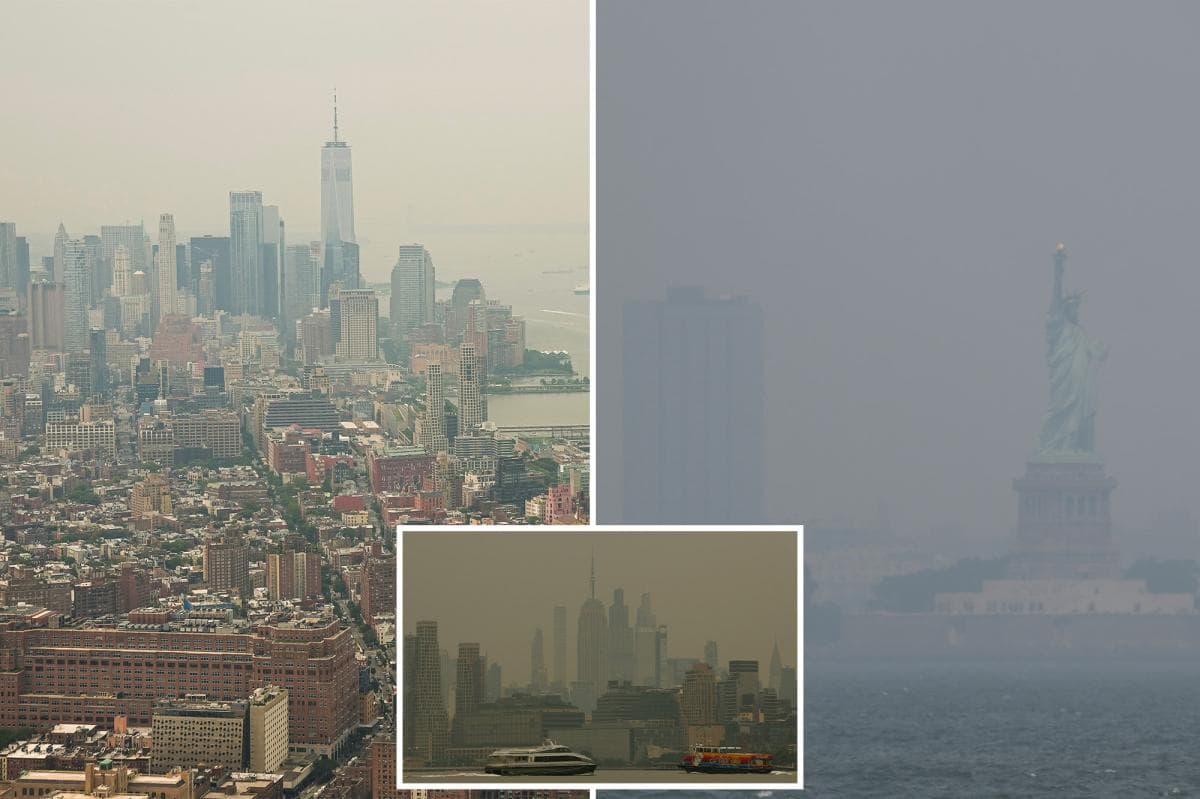
Air quality experts are warning that prolonged exposure to wildfire smoke can have serious health consequences after new analysis suggested that recent pollution levels affecting New York City were comparable to inhaling the harmful particles found in multiple cigarettes over the course of a single day. The findings underscore the growing public health challenges posed by increasingly frequent and intense wildfire seasons across North America. Smoke from large wildfires contains a complex mixture of fine particulate matter, carbon monoxide, volatile organic compounds and other pollutants capable of penetrating deep into the lungs. Among these pollutants, PM2.5 particles are considered particularly dangerous because of their microscopic size, allowing them to enter the bloodstream after being inhaled. Medical professionals stress that comparisons between wildfire smoke and cigarette consumption are intended to help the public understand the potential health impact rather than suggest the two exposures are chemically identical. Nevertheless, elevated concentrations of airborne particles can place significant strain on the respiratory and cardiovascular systems, especially among vulnerable populations. Children, older adults, pregnant women and individuals with asthma, chronic obstructive pulmonary disease, heart disease or weakened immune systems face the highest health risks during periods of poor air quality. Even healthy adults may experience coughing, throat irritation, eye discomfort, headaches and shortness of breath after prolonged outdoor exposure. The smoke affecting New York originated from extensive wildfires burning hundreds of kilometers away, demonstrating how atmospheric conditions can transport pollution across international borders. Strong upper-level winds carried smoke from Canadian wildfire zones into densely populated areas across the northeastern United States, reducing visibility and pushing air quality indexes into hazardous ranges. Public health agencies responded by urging residents to limit outdoor activity, keep windows closed where possible and use high-efficiency air filtration systems indoors. People required to spend extended periods outside were encouraged to wear properly fitted N95 respirators capable of filtering fine particulate matter more effectively than standard face coverings. Scientists warn that climate change is contributing to longer wildfire seasons in many regions through rising temperatures, prolonged droughts and increasingly dry vegetation. These conditions create larger and more intense fires capable of producing smoke plumes that travel thousands of kilometers. Hospitals often report increases in emergency visits for respiratory complications during major smoke events. Researchers also continue investigating potential long-term health effects associated with repeated exposure to wildfire pollution, particularly for communities experiencing annual smoke episodes. Environmental agencies emphasize the importance of monitoring official air quality forecasts and following health advisories whenever pollution levels rise. Simple preventive measures—including remaining indoors during peak pollution periods and reducing strenuous outdoor exercise—can significantly reduce exposure. The latest smoke episode highlights the growing intersection between climate-related disasters and public health, reinforcing calls for improved emergency preparedness and long-term strategies to address increasingly severe wildfire seasons.
Published by Banx Network. This article is part of the Banx decentralized media programme, powered by the BXE token on the XRP Ledger.