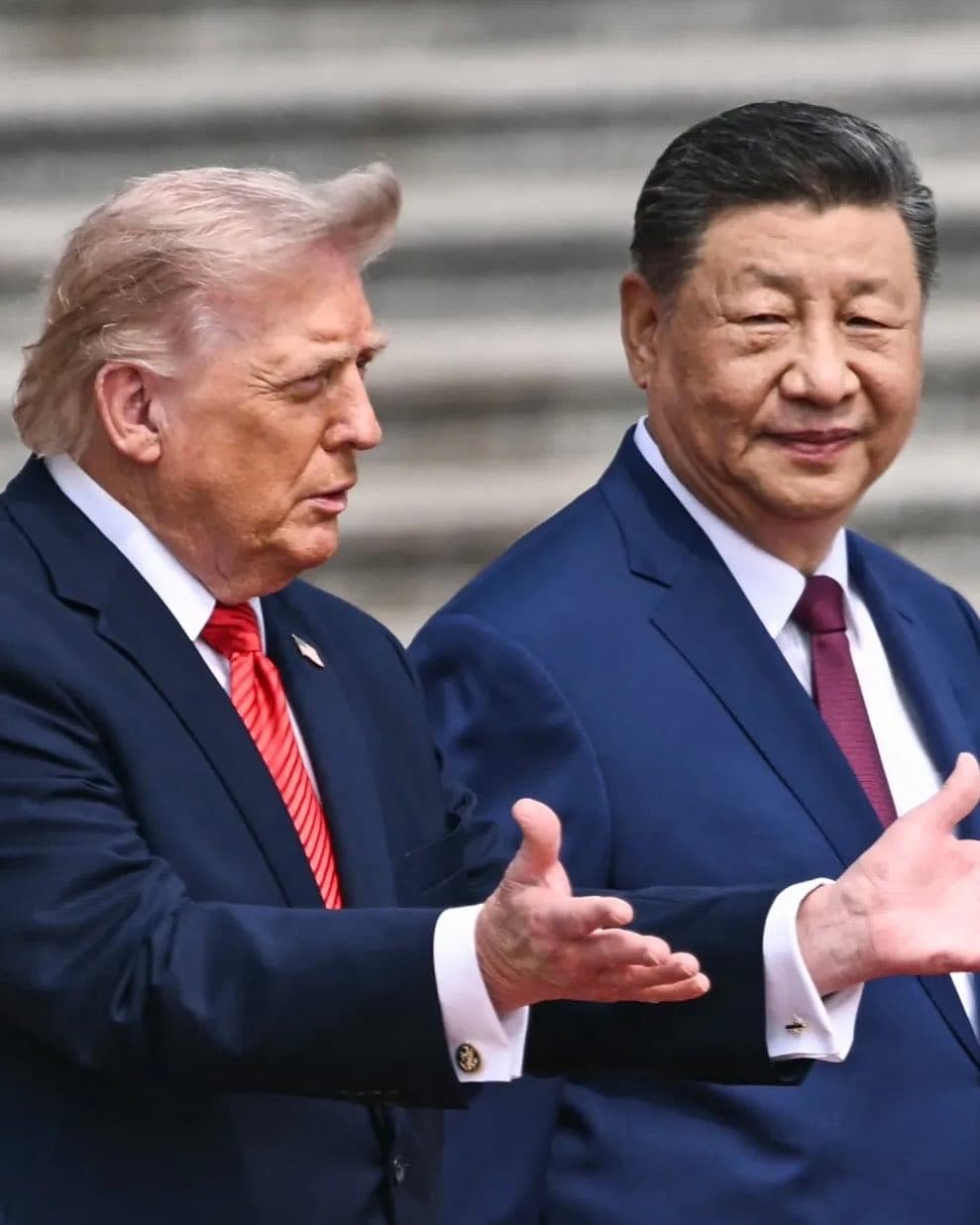
Economist is revisiting one of the most influential economic debates of recent decades: the impact of China's rise as a manufacturing powerhouse on American workers, industries and communities. The debate, commonly known as the China shock, centres on the consequences of a rapid increase in Chinese imports into the United States, particularly during the 2000s. The expansion of international trade brought cheaper products to consumers and strengthened economic connections, but it also placed significant competitive pressure on some domestic manufacturers. For years, the issue has influenced debates about globalization, industrial policy, tariffs and the future of American manufacturing. Politicians from different ideological backgrounds have pointed to the disruption experienced by industrial communities as evidence that the benefits of international trade were not distributed evenly. The central question is how to measure the overall economic consequences. A decline in employment at a factory or within a particular industry can have serious effects on a community, especially when displaced workers struggle to find comparable jobs. However, measuring the full impact of trade also requires examining consumer prices, productivity, business investment and employment opportunities elsewhere in the economy. The Economist's post indicates that new research is offering a fresh assessment of how badly the United States was affected. The precise conclusions cannot be established from the screenshot alone, but the discussion highlights the importance of examining the evidence rather than treating the economic debate as settled. One challenge in evaluating the China shock is distinguishing between different causes of industrial change. Imports from China contributed to competitive pressure in some sectors, while automation, technological advances, changing consumer demand and broader corporate decisions also influenced manufacturing employment. These factors can overlap. A factory may reduce its workforce because foreign competitors offer lower prices, because new machinery requires fewer employees, or because production shifts to a different location. Determining the relative importance of each cause is essential for designing effective policy. The consequences also extend beyond employment figures. When a major employer closes, a community can experience declining tax revenue, weaker demand for local businesses and reduced opportunities for younger workers. Even when the national economy benefits from cheaper imports, the gains may not compensate every household for the losses associated with industrial decline. Consumers can benefit when imported goods become less expensive. Businesses that rely on imported materials may also reduce costs and become more competitive in international markets. These gains are often spread across millions of consumers and companies, while losses can be concentrated among particular workers and regions. This uneven distribution helps explain why globalization has remained politically controversial. People who experience job displacement may judge economic policy differently from consumers who benefit from lower prices or companies that gain access to larger markets. The debate has become especially relevant as governments reconsider supply-chain security, domestic industrial capacity and dependence on foreign manufacturing. Policymakers are increasingly weighing the economic benefits of international trade against concerns about strategic industries, resilience and national security. Tariffs and industrial subsidies are among the measures used to respond to these concerns. However, such interventions can also increase costs for businesses and consumers, provoke retaliation and create inefficiencies if they protect industries without improving productivity. A useful assessment must therefore examine both the gains and losses associated with international trade. It must also distinguish between policies intended to support displaced workers and those intended to shield specific companies from competition. The new research highlighted by The Economist adds to an ongoing discussion about how the United States should balance open markets with economic resilience. The outcome matters not only for American workers but also for China, international manufacturers and countries integrated into global supply chains. Ultimately, understanding the China shock requires more than determining whether trade was beneficial or harmful overall. It requires identifying who gained, who lost, how long the effects lasted and which policies could help communities adapt to economic change.
Published by Banx Network. This article is part of the Banx decentralized media programme, powered by the BXE token on the XRP Ledger.