In the complex chessboard of global trade, where alliances shift and tariffs rise, Canada has found an unexpected partner in growth. Despite the intensifying trade war initiated by the United States under former President Donald Trump, Canada’s exports to China surged by 30 percent in the first half of 2026. This significant increase highlights the resilience of Canadian industries and their ability to adapt to changing geopolitical landscapes by diversifying market access.
The trade war, characterized by steep tariffs on Canadian goods entering the U.S., forced exporters to seek alternative destinations. China, with its vast consumer base and demand for resources, emerged as a viable option. Agricultural products, energy resources, and manufactured goods found new buyers in Asian markets, offsetting some of the losses incurred from reduced American trade. This pivot demonstrates the flexibility of the Canadian economy in the face of protectionist policies.
For Canadian businesses, the shift required rapid adjustment. Supply chains were reconfigured, and new relationships were forged with Chinese importers. While challenging, this process has opened doors that were previously less explored. The success in the Chinese market suggests that Canadian products remain competitive globally, even when traditional routes are blocked.
However, the reliance on China also brings risks. Geopolitical tensions between Beijing and Ottawa can fluctuate, potentially affecting trade stability. Critics warn that swapping one dependency for another may not be a sustainable long-term strategy. Diversification remains key, with efforts underway to expand trade with Europe, India, and other emerging economies.
The economic data from the first half of 2026 shows that the trade war has had unintended consequences. Rather than isolating Canada, it has accelerated its integration into non-American markets. This trend may reshape Canada’s trade policy for years to come, encouraging a more multipolar approach to international commerce.
Politically, the surge in exports to China complicates the narrative of the trade war. While intended to pressure Canada into favorable terms, the tariffs have instead pushed it closer to a strategic rival of the U.S. This dynamic adds layers of complexity to North American relations, requiring careful diplomatic navigation.
For workers and industries involved in export, the news is a relief. Jobs are preserved, and revenues are maintained, thanks to the newfound demand from China. It underscores the importance of global connectivity and the dangers of isolationist policies. Trade, when free and fair, benefits all parties involved.
As the second half of 2026 unfolds, observers will watch to see if this trend continues. Will Canada maintain its foothold in the Chinese market, or will political pressures force a reversal? Regardless, the current surge proves that adaptability is a vital asset in the modern global economy.
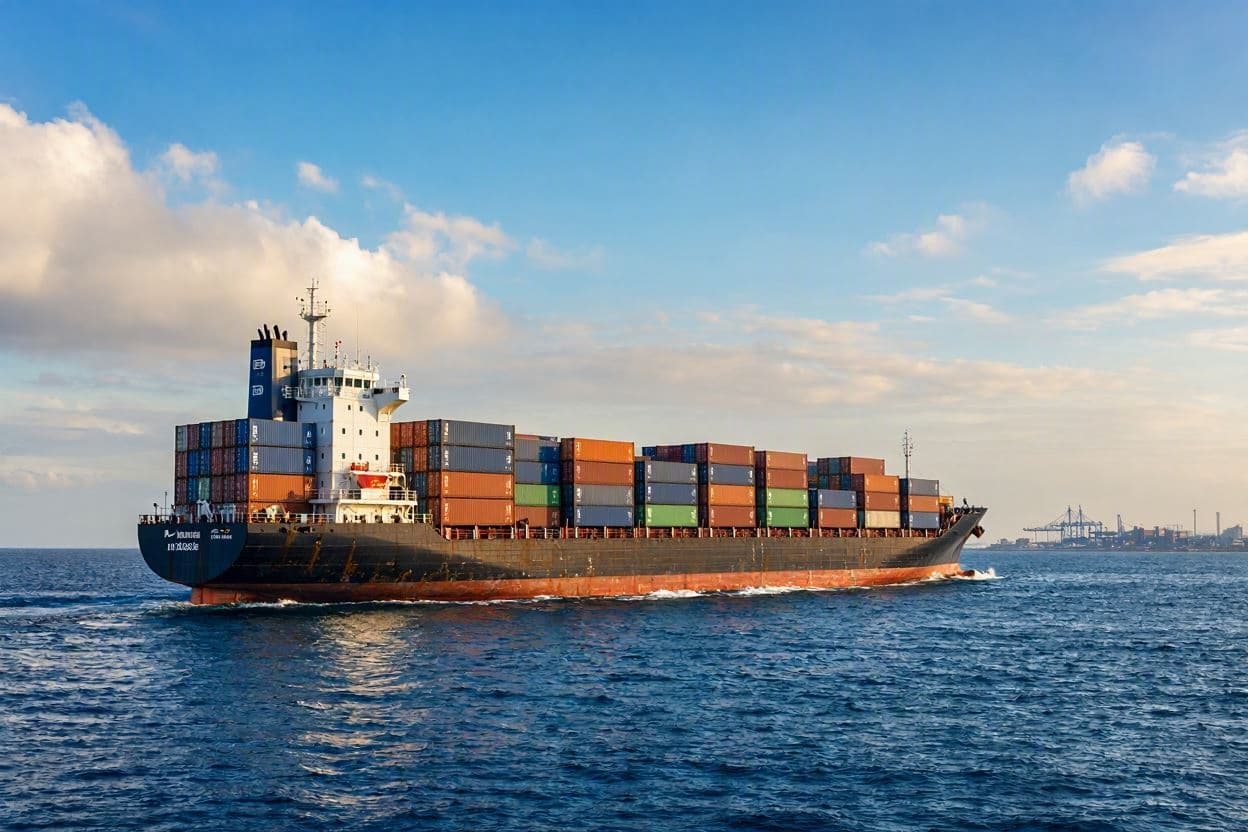
AI Image Disclaimer: The visual content in this article is AI-generated to depict the themes of international trade and economic adaptation respectfully.
Sources: Bloomberg, Financial Post, Global Affairs Canada, Reuters
Published by Banx Network. This article is part of the Banx decentralized media programme, powered by the BXE token on the XRP Ledger.