Sometimes, the distance between two countries is measured not in kilometers, but in the space between intention and action. China and India appear to be moving toward a diplomatic thaw, yet the business relationship between the two Asian giants remains surrounded by caution.
Chinese President Xi Jinping is expected to visit New Delhi this week, his first visit to India in seven years, as the two countries seek to improve relations. Yet companies on both sides continue to face regulatory barriers, investment restrictions and uncertainty over technology and industrial cooperation.
The contrast is striking. Political dialogue may create a warmer atmosphere, but businesses often move at a slower rhythm. Investment decisions require confidence that regulations will remain predictable, equipment can cross borders, employees can obtain visas and commercial partnerships will not suddenly become caught in wider strategic concerns.
India has eased some restrictions on Chinese investment, particularly in areas such as electronics and solar manufacturing. A manufacturing partnership between India's Dixon Technologies and China's Vivo has also received approval, suggesting that selected forms of economic cooperation remain possible.
Yet several major Chinese companies have remained cautious. Automakers BYD and Great Wall Motor previously considered investments in India but later shelved their plans amid increased regulatory scrutiny, according to people familiar with the situation cited by Reuters.
Technology remains one of the most sensitive areas. Industrial equipment shipments, advanced manufacturing and technology-related investments are being examined more closely, reflecting the wider importance of technological capabilities in the relationship between the world's two most populous nations.
Visa delays have also affected business activity. For companies that depend on engineers, managers and technical specialists moving between countries, even administrative obstacles can become significant. A relationship may appear warmer at the diplomatic level while remaining difficult inside corporate offices and factory planning rooms.
The two countries nevertheless have strong economic reasons to maintain communication. China remains a major manufacturing power, while India is expanding its role in electronics, digital services and industrial production. Their economies have areas of potential complementarity even as strategic concerns continue to shape policy.
For now, the relationship is moving carefully. A meeting between Xi and Indian Prime Minister Narendra Modi could provide another opportunity to reduce uncertainty, but businesses will ultimately watch what happens after the diplomatic photographs disappear.
The road between China and India therefore remains open, but not yet smooth. Between policy announcements, factory plans and technology decisions, the next phase of their relationship will likely be measured by how much trust can move from diplomatic rooms into the everyday machinery of trade.
Image Disclaimer:
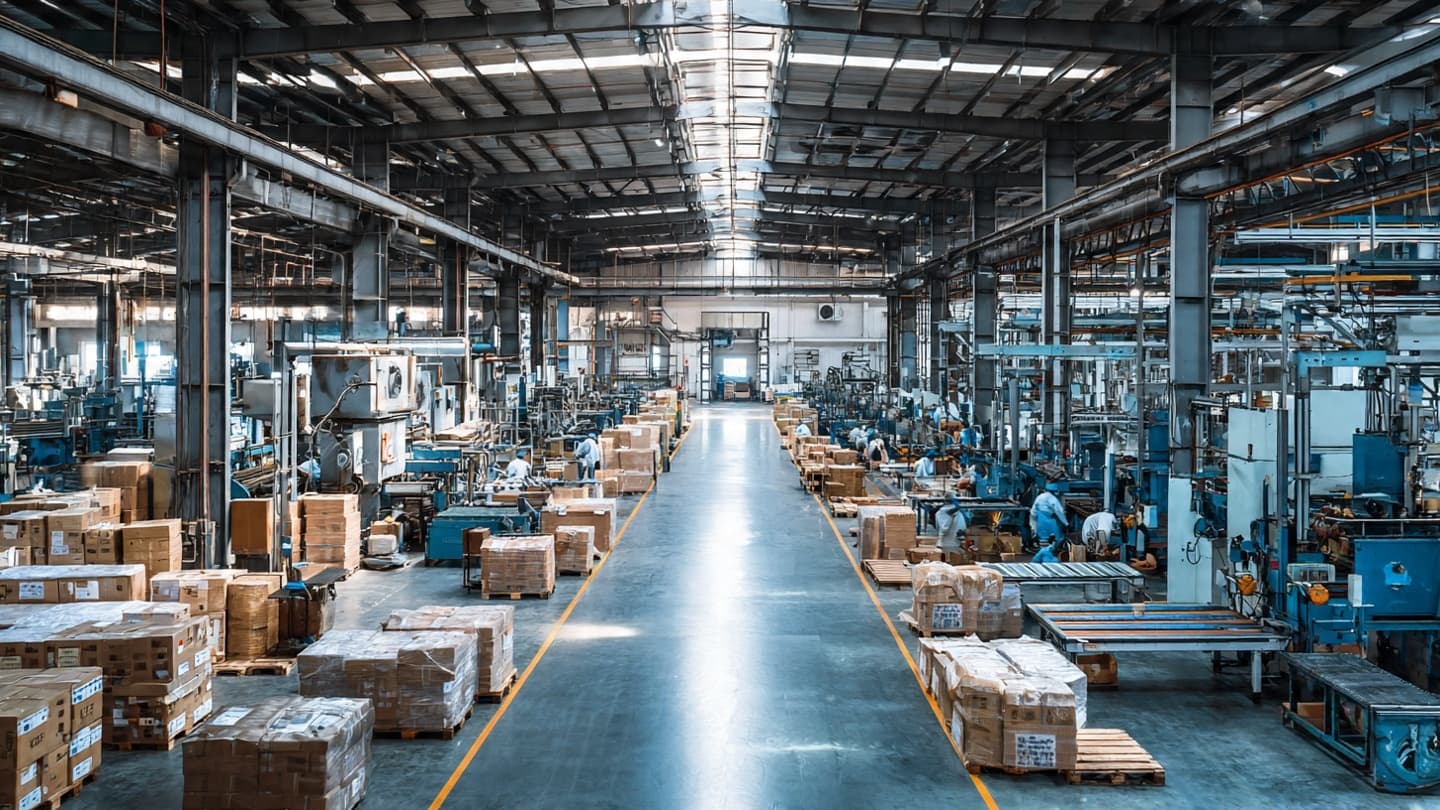
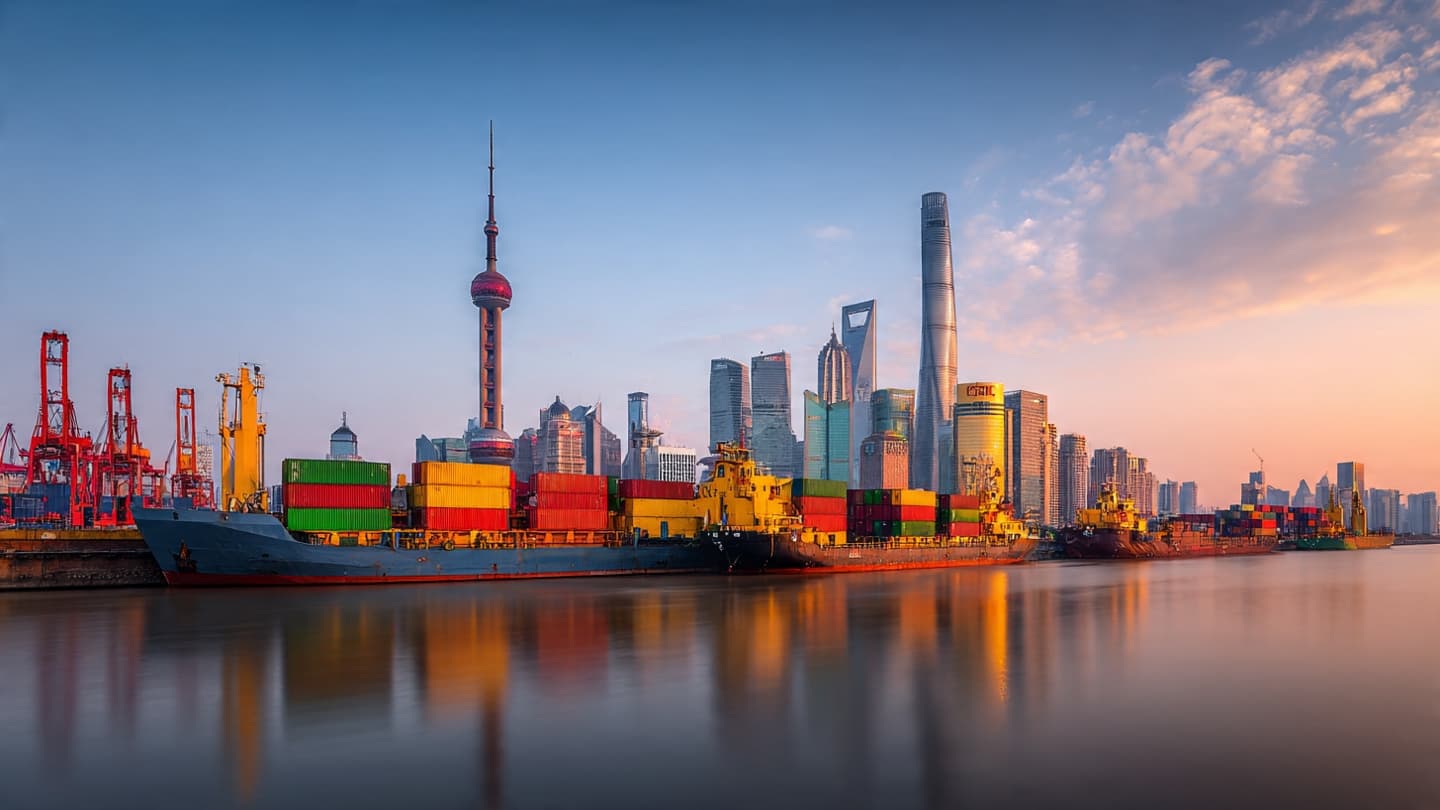
All accompanying visuals are AI-generated conceptual representations created for editorial illustration purposes. They do not depict actual photographs of the reported diplomatic or business activities.
Sources:
Reuters
Published by Banx Network. This article is part of the Banx decentralized media programme, powered by the BXE token on the XRP Ledger.