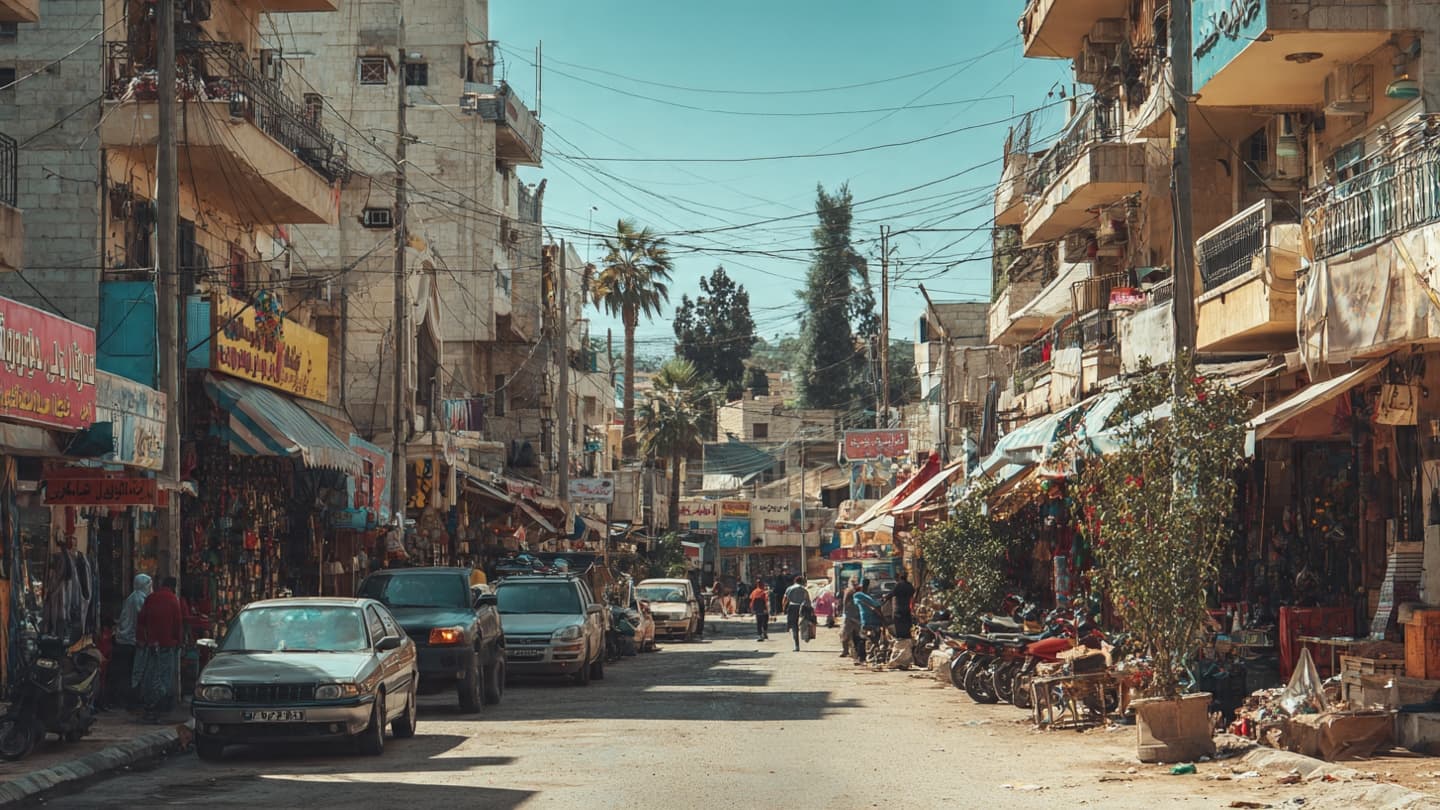
In the towns and villages of southern Lebanon, economic activity heavily relies on something simple: open roads, operational shops, and people who can move freely. When security conditions change, that rhythm also shifts.
The renewed attacks in southern Lebanon continue to exert pressure on commercial and economic activities. This situation unfolds as Lebanon's economy itself is still struggling to recover from a prolonged financial crisis that has been ongoing since 2019. (reuters.com)
The southern region has a close economic relationship with the mobility of its residents and local trade networks. When parts of the area face security disruptions, market activities, transportation, and the distribution of goods can experience slowdowns.
For small business owners, these changes can be felt more acutely. A shop needs customers, a restaurant requires supplies, and traders need road access to receive and send goods. Disruptions to any one of these elements can affect overall operations.
Security pressures can also influence companies' decisions regarding operating hours and distribution. Uncertainty forces businesses to account for additional risks when determining when and how trade activities are conducted.
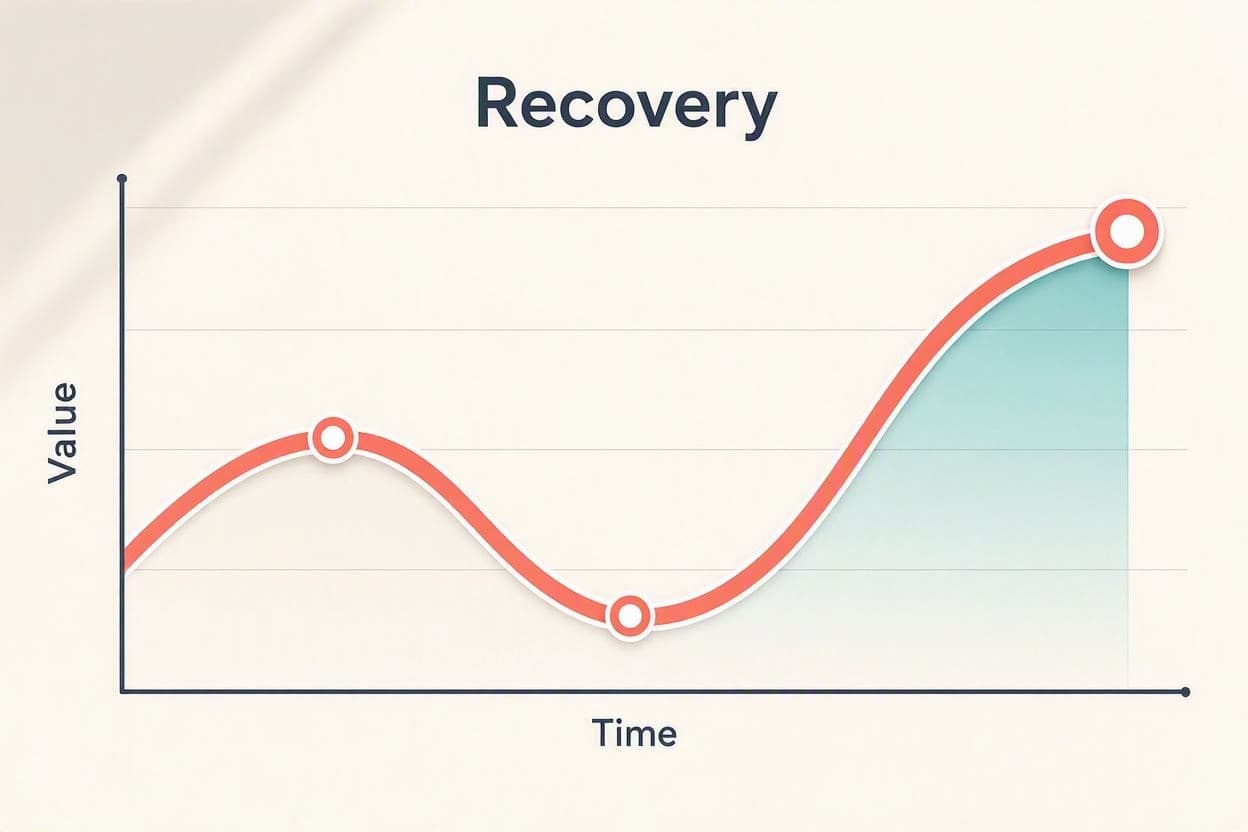
This condition arises as Lebanon is attempting to rebuild its economic foundations. Banking sector reforms, state financial restructuring, and efforts to restore investor confidence are part of a recovery agenda that requires a relatively stable economic environment. (reuters.com)
For local communities, the issues are often much closer than macroeconomic figures. Prices of goods, availability of essential materials, transportation costs, and job opportunities serve as direct measures of how well the economy can endure.
Local trade networks also have the ability to adapt. Traders can change operating hours, seek alternative distribution routes, or adjust stock levels. However, this adaptability has limits when disruptions are ongoing.
At the national level, instability in one region can add strain to an economy already facing numerous pressures. Lebanon must navigate the financial recovery process while contending with security challenges that can change over time.
Ultimately, the economic life in southern Lebanon moves in accordance with the surrounding conditions. There are days when shops reopen their doors and roads become bustling again, and then there are days when activities slow down. In between these two states, the business world continues to strive to maintain a rhythm that is an essential part of community life.
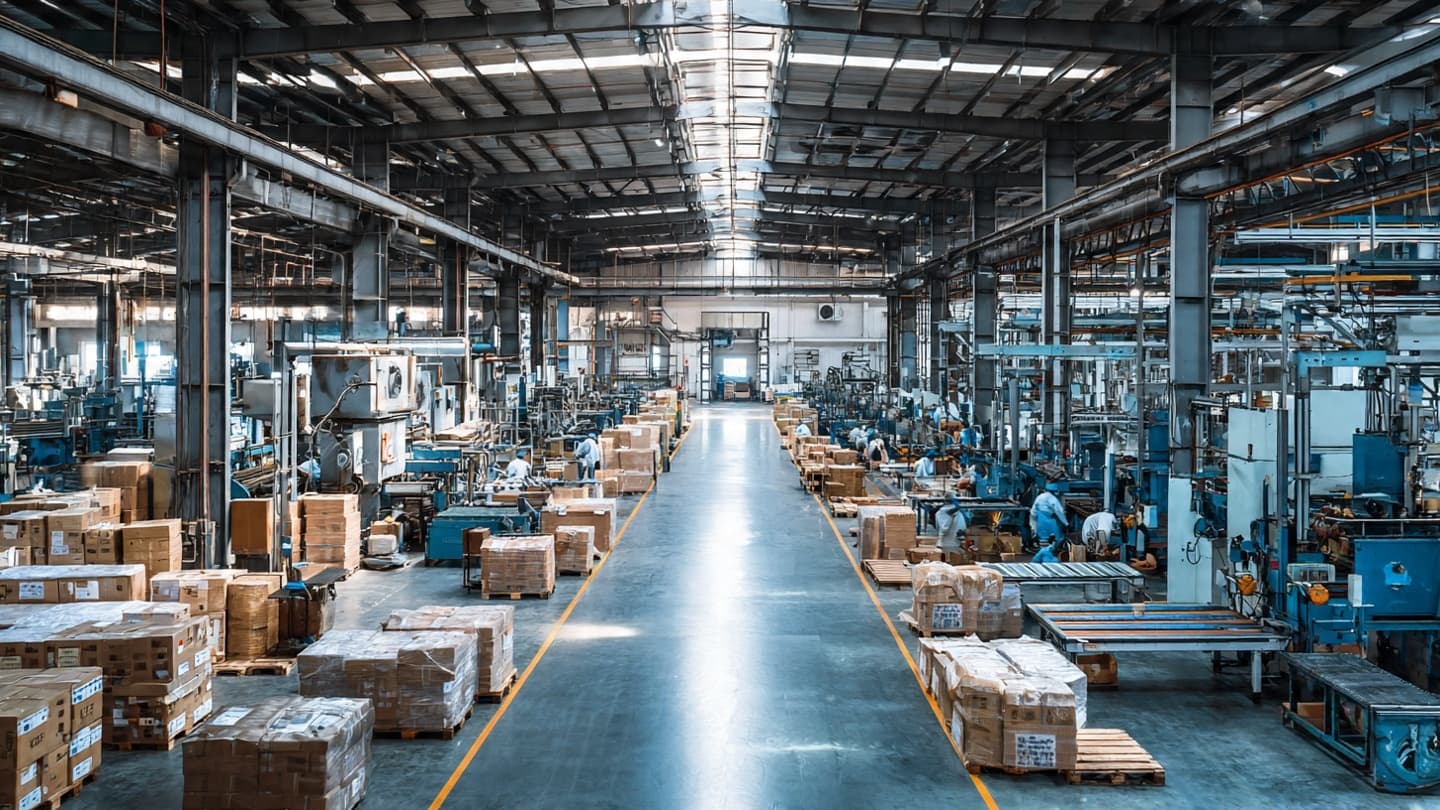
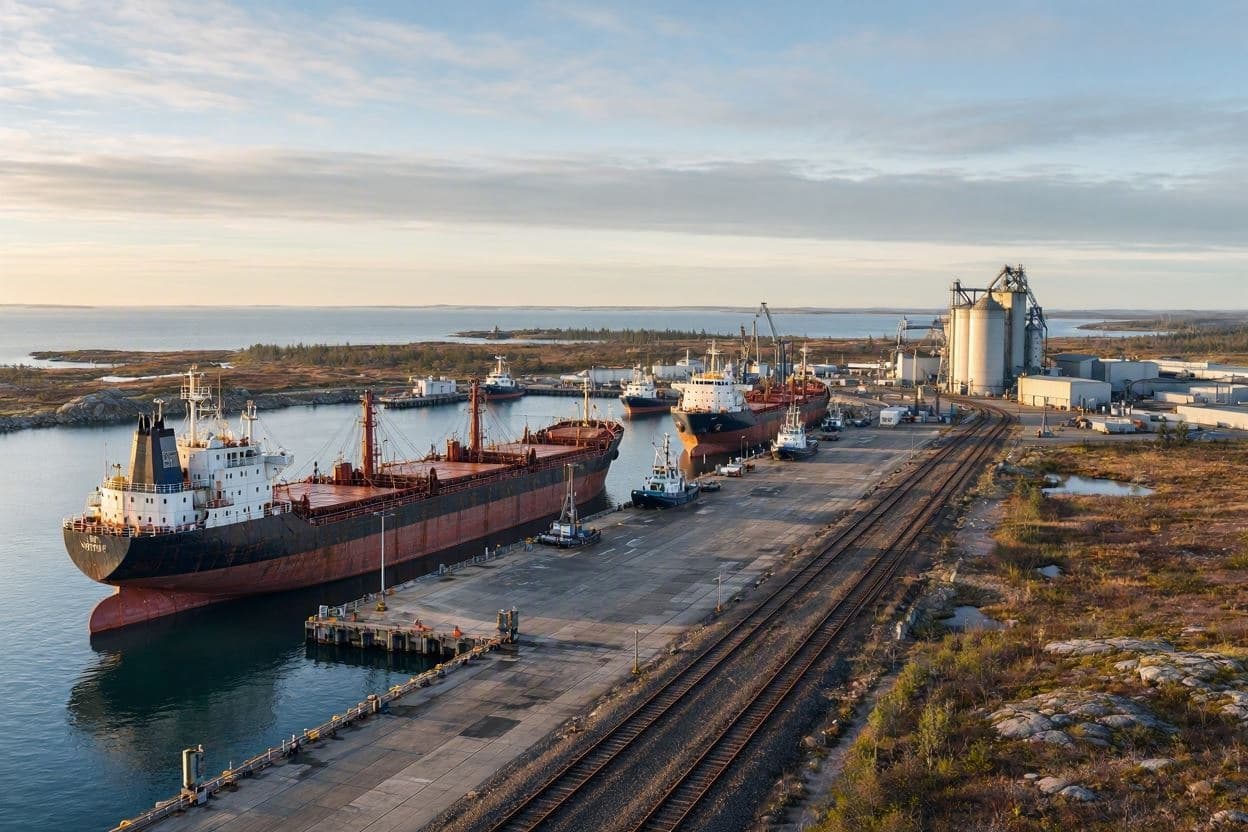
Image Disclaimer: This image is a conceptual AI-generated illustration of economic and trade activities in southern Lebanon, not an actual photo of attacks or conditions in a specific location.
Sources: Reuters Lebanese authorities
Published by Banx Network. This article is part of the Banx decentralized media programme, powered by the BXE token on the XRP Ledger.