
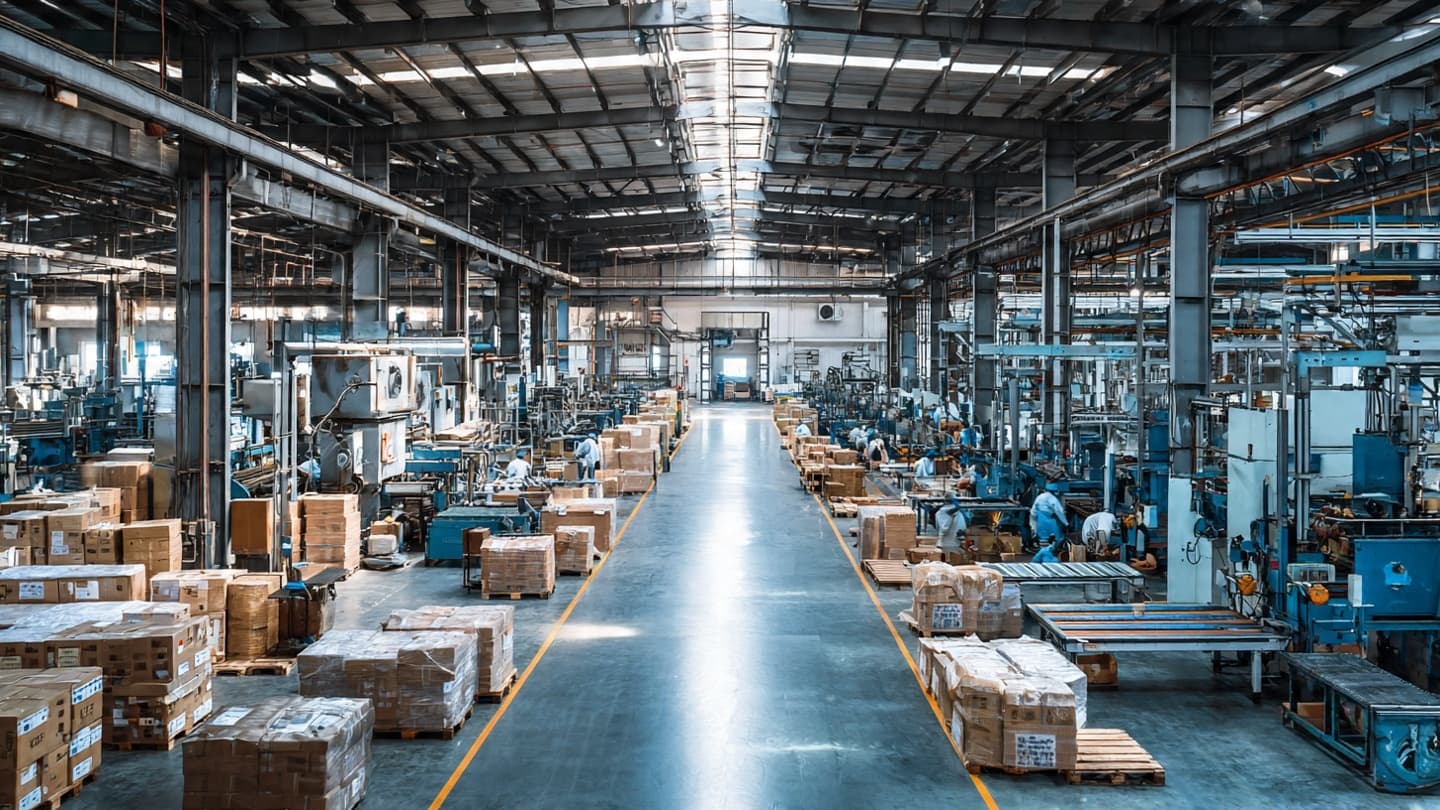
In an industrial area, the journey of a product does not stop when goods leave the production line. After the machines stop and the packaging is sealed, the next journey actually begins—towards warehouses, ports, markets, and finally into the hands of buyers in other countries.
Egypt is now trying to strengthen that journey through a new industrial investment fund worth around $195 million. The fund is directed towards export-oriented companies with the aim of increasing foreign exchange earnings, deepening domestic manufacturing, and expanding domestic production capabilities.
This policy comes in the context of Egypt's efforts to strengthen its industrial base. By increasing the capacity of local companies, the government hopes that more products can be made domestically before being shipped to international markets.
For the manufacturing sector, access to financing often determines a company's ability to grow. New machines, production facilities, technology, labor, certification, and logistics systems require significant investment.
The fund is also related to efforts to increase exports. When domestic products enter foreign markets, sales can generate foreign exchange and help expand Egypt's economic relations with other countries.
However, increasing exports does not solely depend on the ability to produce goods. Products must also meet the standards of the target markets, have competitive pricing, possess distribution networks, and be able to withstand changes in global demand.
Therefore, support for industrial companies can have a cascading effect. Growing factories need suppliers of raw materials, logistics companies, technical labor, financial services, and various other supporting businesses.
Egypt also has an interest in deepening the use of local technology. The more stages of production that are carried out domestically, the greater the opportunity to develop industrial capabilities that do not solely rely on imported finished goods.
In a broader picture, the industrial fund is part of Egypt's economic journey to strengthen production and exports. This path will certainly take time, as building industrial competitiveness is not just about capital, but also productivity, technology, human resources, and market access.
However, every additional production line, every product that successfully penetrates foreign markets, and every company that is able to grow contributes a small addition to the map of Egypt's industry. From these factories, the country is trying to build an economic flow that moves further from the domestic market towards the world.
Image Disclaimer: The visuals are conceptual AI-based illustrations regarding the development of Egypt's industry and manufacturing, not photos of specific facilities or investment fund projects.
Sources:
Arab News Fast Company Middle East Egyptian Ministry of Industry Egyptian government economic authorities
Published by Banx Network. This article is part of the Banx decentralized media programme, powered by the BXE token on the XRP Ledger.


.jpg&w=3840&q=75 "Indian Aviation Firm Bets Big on Deal With Russia’s UAC for 50 IL-114-300 Aircraft")