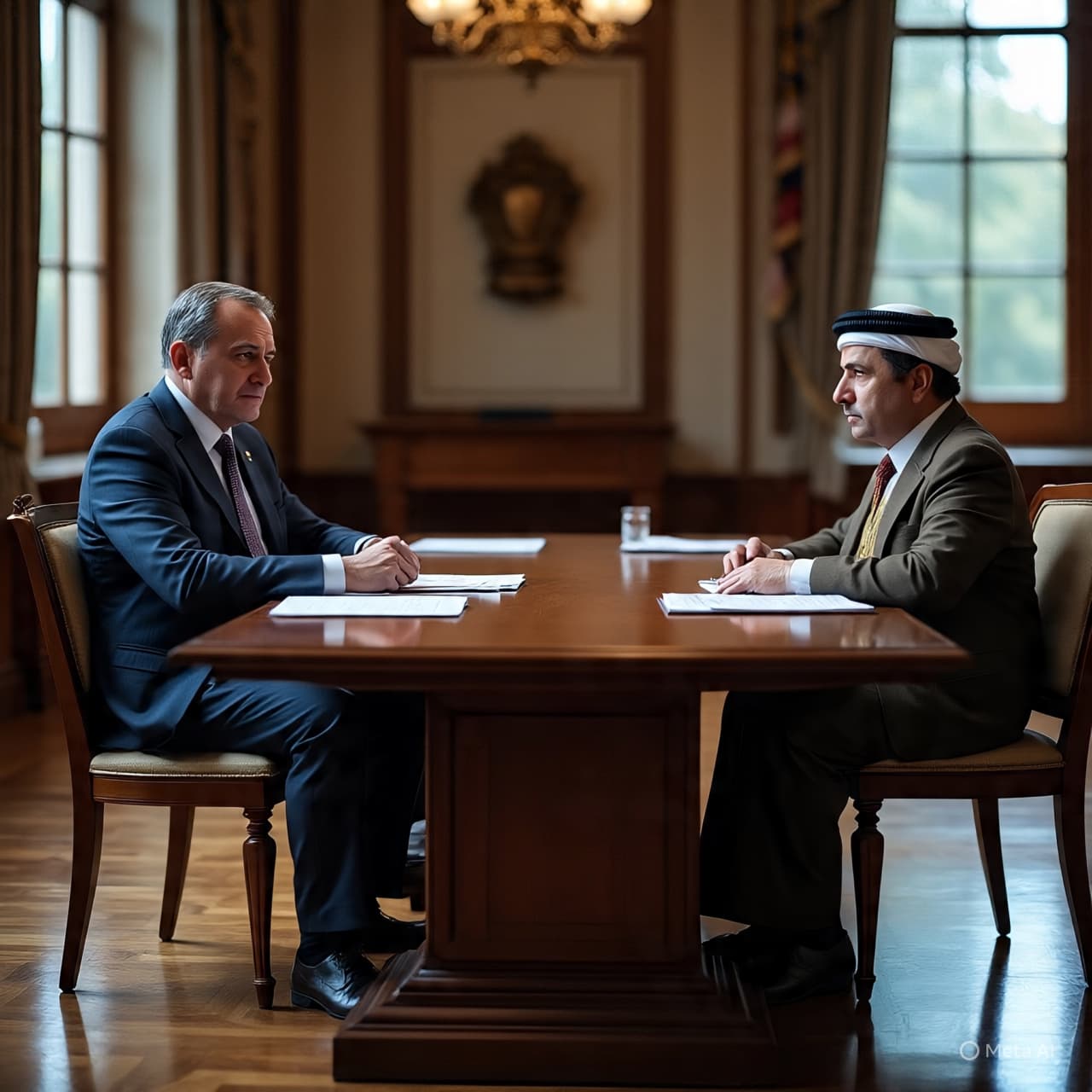
There’s a quiet tension in diplomacy that reminds one of two dancers waiting for the music to change — each poised, each watching the other, yet unsure whose step will set a renewed rhythm. For years, the United States and Iran have found themselves in just such a hold — a nuclear deadlock born of mistrust, competing demands and historical ruptures. Breaking this stalemate will require more than familiar talking points; it will call for careful reframing of negotiations, meaningful confidence‑building and realistic compromises that respect each side’s core concerns.
At the heart of the deadlock lies a fundamental disagreement over nuclear enrichment. Washington insists that Iran limit or halt uranium enrichment to ensure it cannot produce weapons‑grade material, while Tehran asserts its right to pursue peaceful nuclear technology under the Nuclear Non‑Proliferation Treaty — a right it views as non‑negotiable without fair treatment. This core divergence has hardened positions and stalled talks, with each side wary of concessions that might be spun as weakness.
One proposed way forward is to reframe the very terms of negotiation. Iran’s former nuclear chief has suggested shifting the focus of talks away from specific technical red lines — such as enrichment levels — toward a shared principle both sides publicly support: that Iran should not pursue nuclear weapons. By centering dialogue on a common objective, negotiators might sidestep symbolic hurdles that have made progress elusive. This kind of rearticulation doesn’t dilute the substance of the dispute but creates a diplomatic opening in which mutual goals, rather than entrenched positions, frame the conversation.
Alongside framing, confidence‑building measures are essential. Iran’s nuclear program has expanded enrichment activities and, in response to renewed sanctions and regional tensions, limited cooperation with the International Atomic Energy Agency (IAEA). Restoring robust IAEA inspection access — and ensuring inspectors can verify inventories and activities — would reduce mutual suspicion and serve as a tangible commitment by Tehran to transparency. In turn, the United States and its partners could offer calibrated sanctions relief or guarantees that military action will be contingent on compliance, creating space for diplomacy rather than escalation.
Trust is a delicate thing. Iranian officials, including senior foreign ministry figures, have cast doubt on Washington’s willingness to engage in “real and serious” dialogue unless the U.S. adjusts its approach — including acknowledgment of Iran’s rights under the NPT and a fair negotiation process. These comments reflect broader skepticism in Tehran about whether Washington’s policy will shift sufficiently to justify return to the table. Confronting that skepticism honestly — through respectful and balanced agenda‑setting before formal talks resume — could clear some of the psychological barriers that keep negotiations stuck.
Beyond these bilateral steps, regional and multilateral confidence mechanisms could support stabilization. Engaging other stakeholders — including European partners, the IAEA and even neutral facilitators like Oman — can help build a less polarized environment in which both Tehran and Washington feel they have support for constructive outcomes. It is not a shortcut but a broader diplomatic context in which the two parties might find it easier to make progress.
The deadlock over Iran’s nuclear program is not simply a technical stalemate; it is a reflection of decades of mistrust, competing security concerns and geopolitical friction. Yet history also shows that persistent dialogue rooted in mutual respect, creative reframing and verifiable measures can yield breakthroughs where rigid insistence has failed. Finding that opening will require patience — and the kind of diplomacy that listens as much as it speaks.
AI Image Disclaimer Visuals are created with AI tools and are not real photographs.
Sources (news & analysis) Reuters Associated Press Chatham House analysis AA News (Iran foreign minister statements) Reports on diplomatic proposals and negotiation strategies
Published by Banx Network. This article is part of the Banx decentralized media programme, powered by the BXE token on the XRP Ledger.