The area surrounding the White House often symbolizes stability, authority, and the visible center of American political life. Yet even within heavily guarded spaces, moments of personal crisis and public danger can unfold with sudden intensity. A recent fatal shooting involving a young man near the White House drew national attention and renewed discussion about security, mental health, and law enforcement response procedures.
Authorities identified the individual involved as 21-year-old Nasire Best, who reportedly described himself as Jesus Christ during the incident. According to officials, the confrontation occurred near the White House security perimeter, where law enforcement personnel responded to what they considered a serious threat situation.
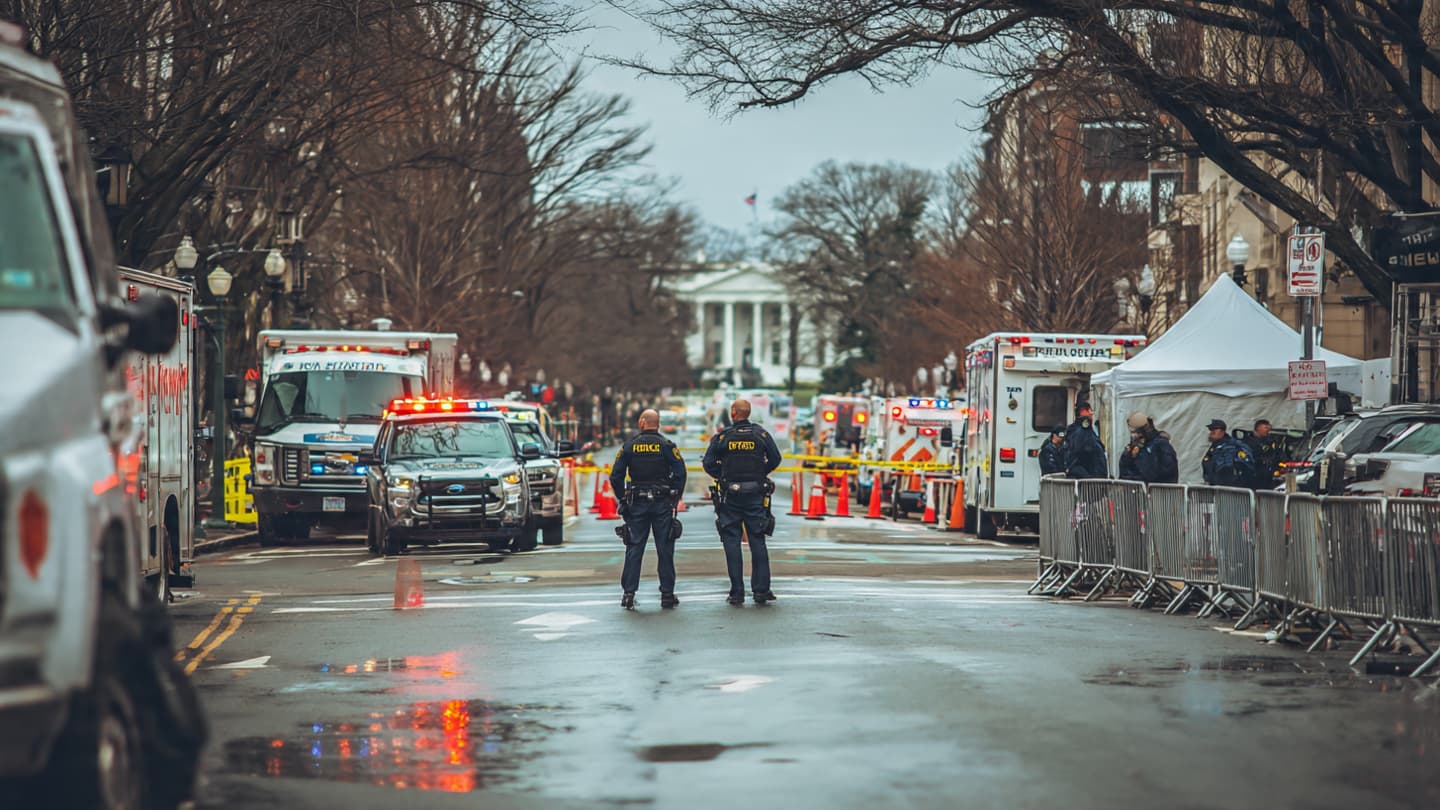
The United States Secret Service and local authorities stated that officers engaged the suspect after concerns emerged regarding his behavior and possible danger near restricted government grounds. Emergency responders arrived quickly at the scene while nearby areas were temporarily secured during the investigation.
Witnesses described confusion and heightened tension as law enforcement vehicles and armed officers moved rapidly through the area. Security around the White House remains among the strictest in the country due to ongoing concerns involving threats against government institutions and protected officials.
Investigators have not publicly detailed every aspect of the encounter, though officials indicated that reviews involving forensic evidence, witness statements, and security footage were underway. Federal agencies often conduct extensive evaluations following incidents involving use of force near protected federal locations.
The case also prompted wider public discussion surrounding mental health crises and interactions between vulnerable individuals and law enforcement authorities. Experts have repeatedly emphasized the challenges officers face when responding to unpredictable situations involving possible delusions, emotional distress, or perceived threats in highly sensitive areas.
Security incidents near major political landmarks frequently attract intense media attention because they intersect with broader national concerns about public safety, extremism, and institutional protection. The White House, in particular, has long remained both a symbolic and physical focus of federal security operations.
Community advocates and legal observers noted that transparency surrounding investigations remains important in maintaining public trust. Questions involving police response, mental health intervention, and security protocols often continue long after initial news coverage fades from public attention.
As federal authorities continued reviewing the circumstances surrounding the shooting, officials urged the public to await verified findings from the ongoing investigation. The incident added another difficult chapter to continuing national conversations about safety, crisis response, and the pressures surrounding modern public security.
AI Image Disclaimer: Some visuals used alongside this article were generated using AI-assisted tools for editorial illustration.
Sources: Reuters, CNN, The Washington Post, Associated Press
Published by Banx Network. This article is part of the Banx decentralized media programme, powered by the BXE token on the XRP Ledger.