Key Highlights
- NASA's Request: The agency is seeking industry ideas to save the Hubble Space Telescope.
- Aging Instrument:Hubble's orbit is decaying, risking its eventual re-entry into Earth's atmosphere.
- Industry Engagement:NASA aims to leverage commercial space capabilities for potential servicing missions.
NASA has issued a call for innovative ideas from the private sector to address the challenges facing the Hubble Space Telescope, a scientific marvel that has transformed our understanding of the cosmos since its launch in 1990. As Hubble ages, its orbit is deteriorating, and without intervention, it risks re-entering Earth's atmosphere and burning up. This request for information marks a critical step in NASA's efforts to explore options for extending the life of this iconic observatory.
The Hubble Space Telescope has been a cornerstone of astronomical research, providing invaluable data that has led to groundbreaking discoveries. However, its operational status is precarious. NASA has been monitoring Hubble's declining orbit for years, and the agency recognizes that immediate action is necessary to prevent the loss of this vital instrument. The request for industry input aims to gather concepts that could either boost Hubble's orbit or provide alternative solutions to prolong its functionality.
NASA's initiative reflects a broader trend of engaging the commercial space sector, a strategy that has gained momentum following the successful partnerships established for cargo and crew missions to the International Space Station. The agency is now looking to see if similar collaborations can be applied to Hubble, potentially allowing private companies to contribute to its servicing and maintenance.
Hubble's condition presents unique challenges. The telescope has undergone five servicing missions, the last of which occurred in 2009. Since then, it has continued to operate, but its gyroscopes, essential for precise pointing, have been failing, forcing Hubble to function in a limited capacity. Any proposed servicing mission would need to address these critical issues while also considering the significant costs involved.
The scientific community is acutely aware of the stakes involved. Hubble has been instrumental in producing data used in thousands of research papers, and its contributions have reshaped our understanding of the universe. While the James Webb Space Telescope, launched in late 2021, offers enhanced capabilities, it operates in different wavelengths and cannot fully replace Hubble's unique observations in visible and ultraviolet light. The potential loss of Hubble would create a significant gap in astronomical research and observation.
Although the request for information does not guarantee a future mission, it signals NASA's commitment to exploring viable options for Hubble's future. The agency hopes that the ideas generated from this outreach will inform its strategy for extending the life of one of its most cherished scientific instruments. For now, Hubble continues to send back stunning images of the universe, reminding us of its enduring legacy and the importance of preserving its capabilities for future generations.
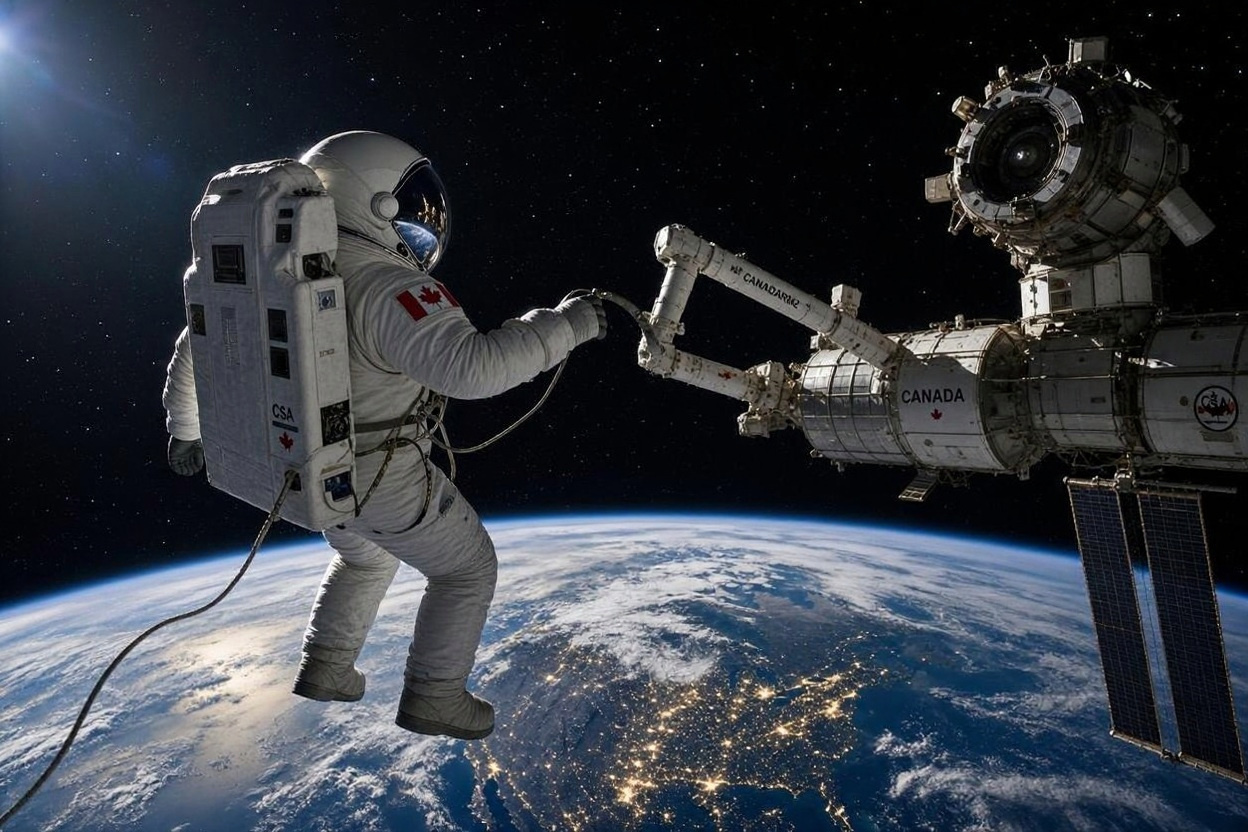
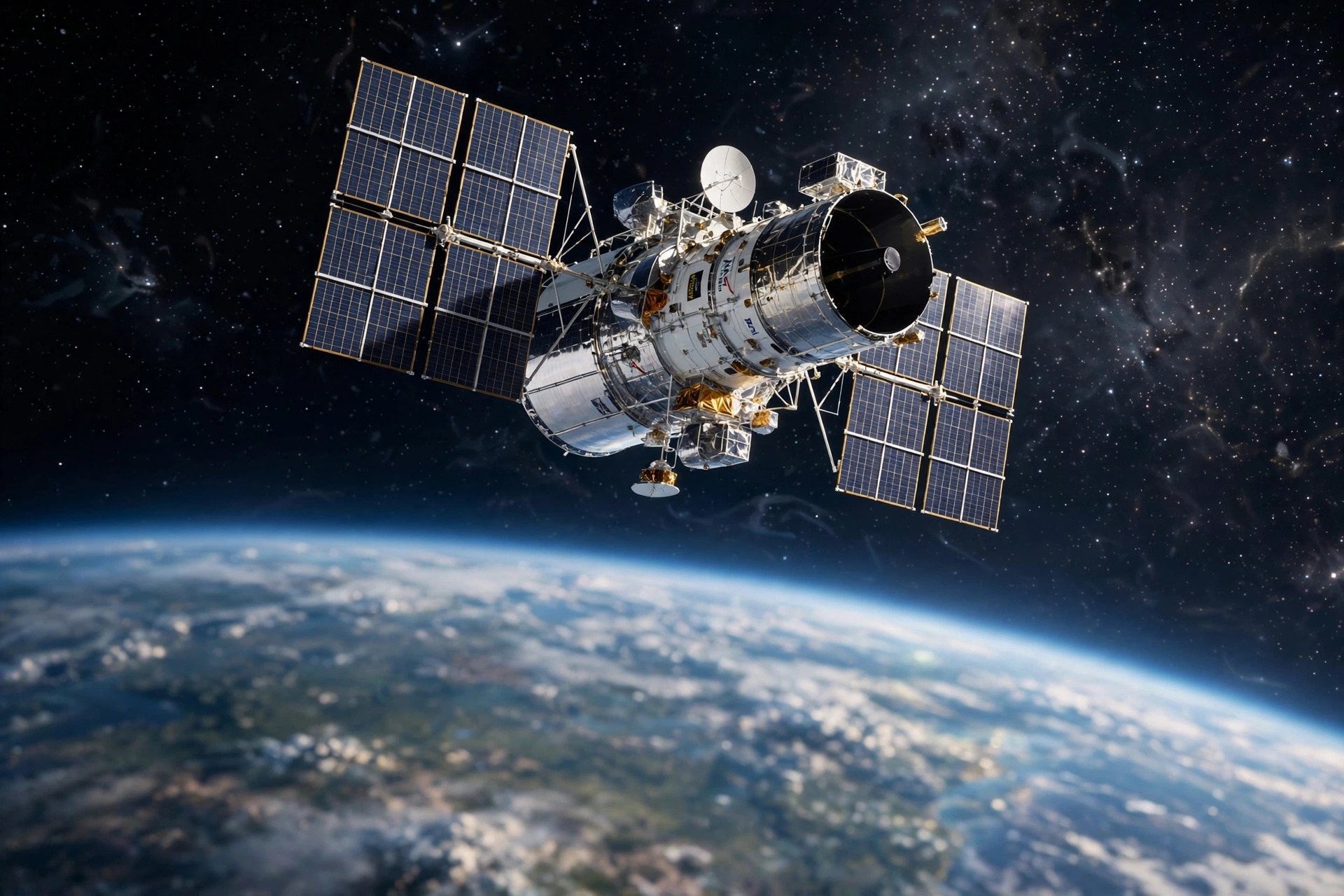
AI Image Disclaimer: The visuals in this article are generated by artificial intelligence and are for illustrative purposes only; they do not depict the actual Hubble Space Telescope, the servicing mission, or the industry concepts requested.
Published by Banx Network. This article is part of the Banx decentralized media programme, powered by the BXE token on the XRP Ledger.