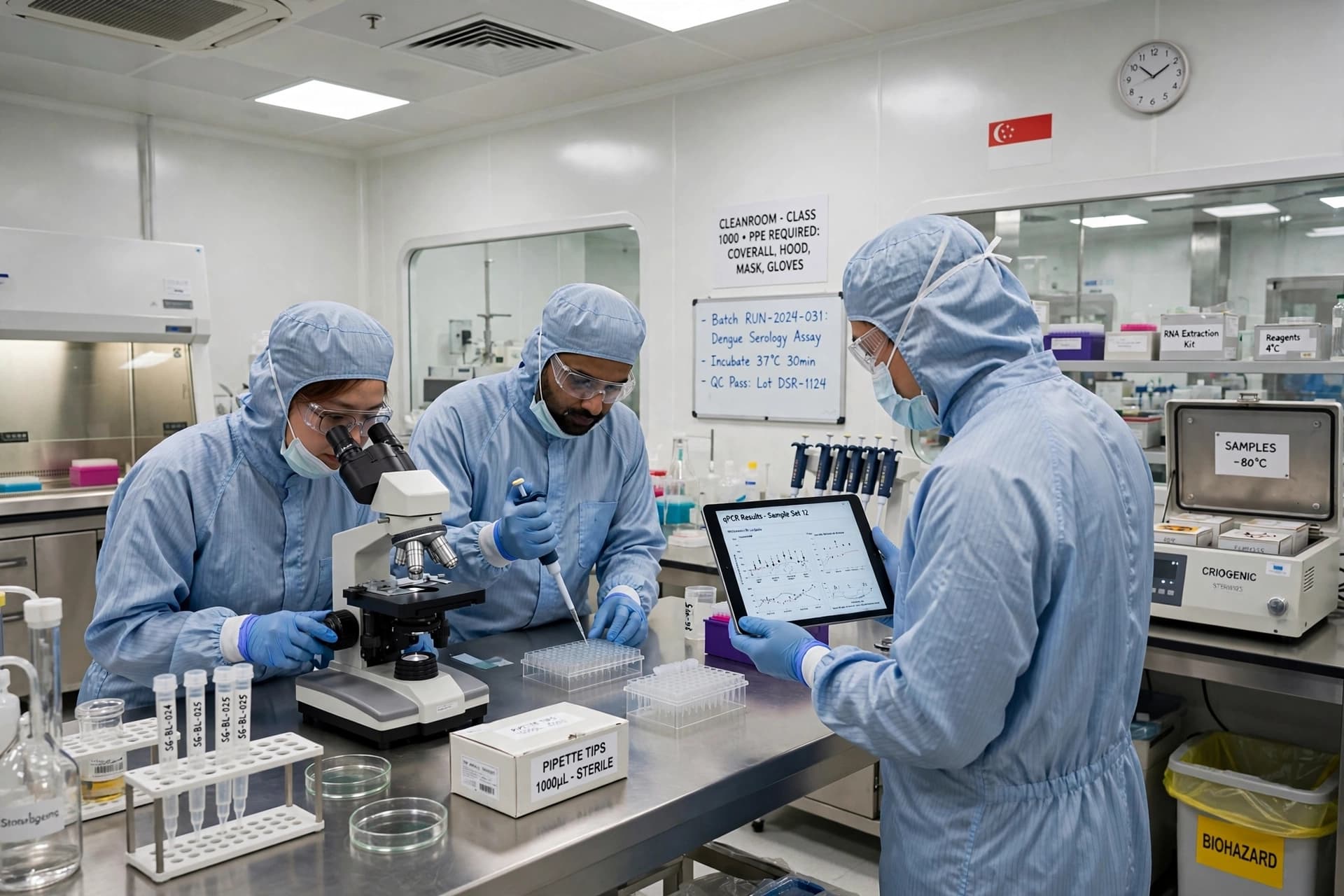
There’s an old metaphor about life being like a river, forever flowing forward, sometimes rushing, sometimes languid, yet always moving. Deep inside that river of time — within the smallest current of our being — are cells, each a tiny universe of bustling activity. Scientists have long suspected that the key to living not just longer, but healthier, might lie in the rhythms and machinery of these microscopic worlds. Now, recent research is revealing that the heart of longevity may indeed sit deep inside our cells, in processes that orchestrate energy, repair, cleanup, and resilience.
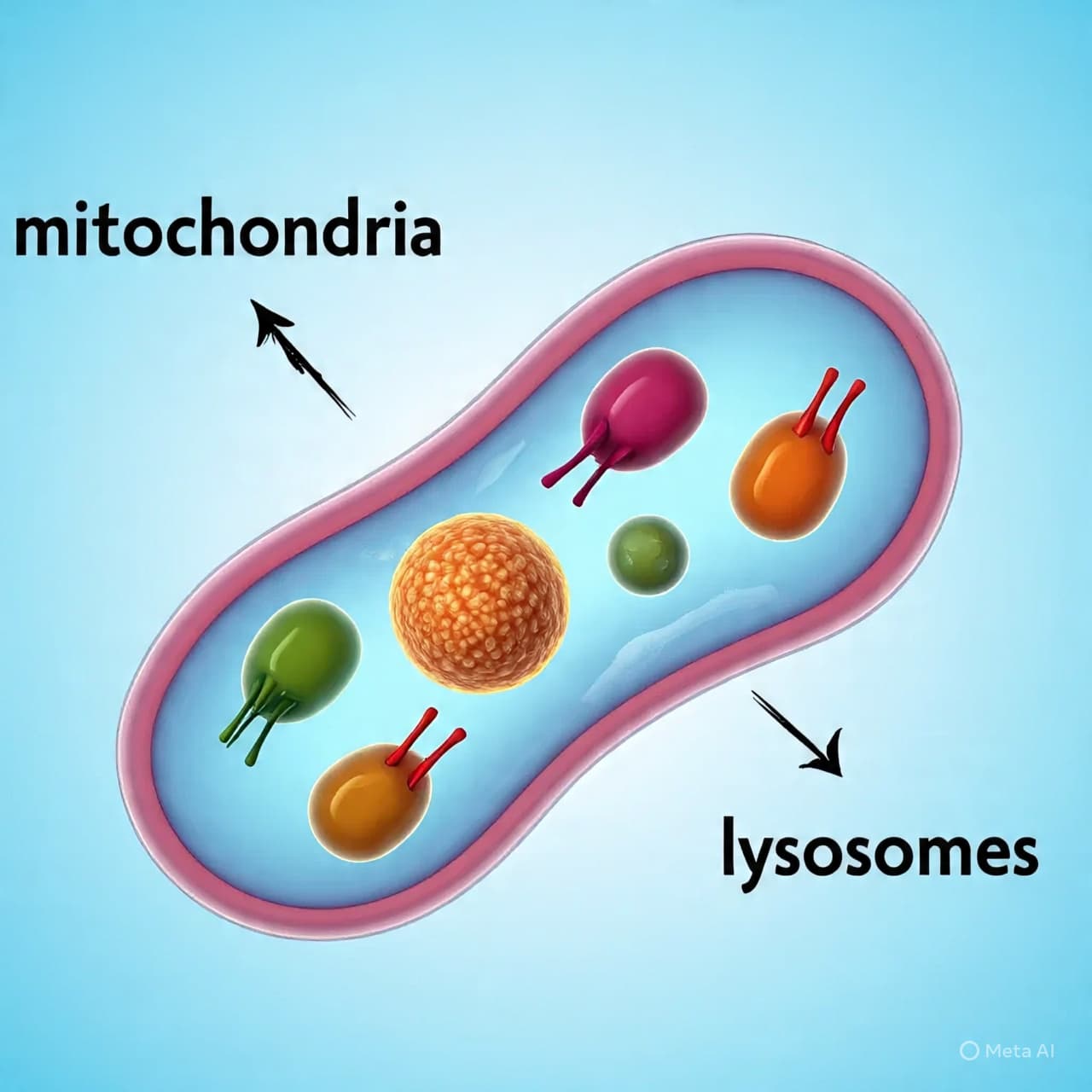
For decades, aging was treated as an inevitable wind‑down, a slow dimming of life’s internal lights. But biological research has begun to paint a different picture — one where aging is not merely wear and tear, but a series of complex, regulated processes. Inside every cell are the mitochondria, often called the powerhouses, generating the energy that fuels our existence. New studies in mice show that tweaking how mitochondria produce energy can elevate energy output, reduce oxidative stress, and slow the signs of aging in tissues — hinting that lifespan may extend when cells are empowered to run more efficiently.
Beyond energy production, cells also house cleanup and recycling systems that keep them running smoothly. Lysosomes — once dismissed as simple waste bins — are now seen as vital regulators of cellular health. Scientists have found that reawakening these internal cleaning crews can help remove harmful proteins that accelerate aging, opening possibilities for reversing age‑related decline.
Other research highlights that cellular architecture itself changes with age. The endoplasmic reticulum, a vast internal network in cells, reorganizes as organisms age. This remodeling process, driven by what’s known as ER‑phagy, is linked directly to how long cells remain healthy and functional, suggesting that longevity may be modulated by how cells organize and maintain their internal machinery.
Yet aging is not solely about damage and decay — it’s also about defense. Studies in human biology point to immune resilience — the ability of our immune system to stay robust and responsive over time — as a key determinant of healthy aging and long life. Cells that can resist chronic inflammation and maintain regenerative potential seem to contribute profoundly to the overall aging process.
Taken together, these emerging insights illuminate a picture where longevity isn’t locked in the exterior world but woven into the very fabric of life itself — in the energy cycles, structural networks, cleanup crews, and immune resilience inside every cell. In this light, aging becomes less a slow, inevitable decline and more a dynamic interplay of cellular processes we are only beginning to understand.
AI Image Disclaimer Visuals are created with AI tools and are not real photographs. Illustrations were produced with AI and serve as conceptual depictions. Images in this article are AI‑generated illustrations, meant for concept only. Sources Based on Source Check Above
• ScienceDaily
• Science China Press / ScienceDaily
• Neuroscience News
• Britannica
• Emerging cellular and molecular aging research reports.
Published by Banx Network. This article is part of the Banx decentralized media programme, powered by the BXE token on the XRP Ledger.