Key Highlights
- Migrant caravans:No caravans have reached the northern border since January 2025.
- U.S. tariffs: President Trump threatened to double tariffs on Mexican goods.
- Humanitarian response:Mexico is providing assistance to migrants in southern regions.
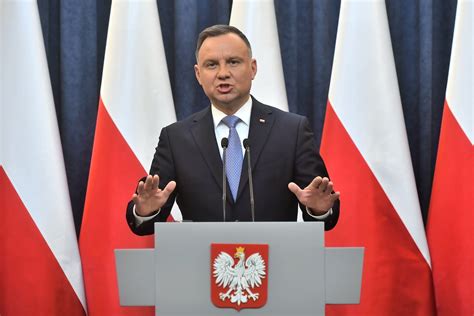
The relationship between the United States and Mexico has long been characterized by a cycle of threats, responses, and negotiations. This dynamic was once again evident in November when President Trump issued a stark warning on social media, threatening to double tariffs on Mexican goods unless the country took action to stop migrant caravans. In response, Mexican President Claudia Sheinbaum provided a factual correction, stating that no migrant caravans had successfully reached the northern border since January 2025.
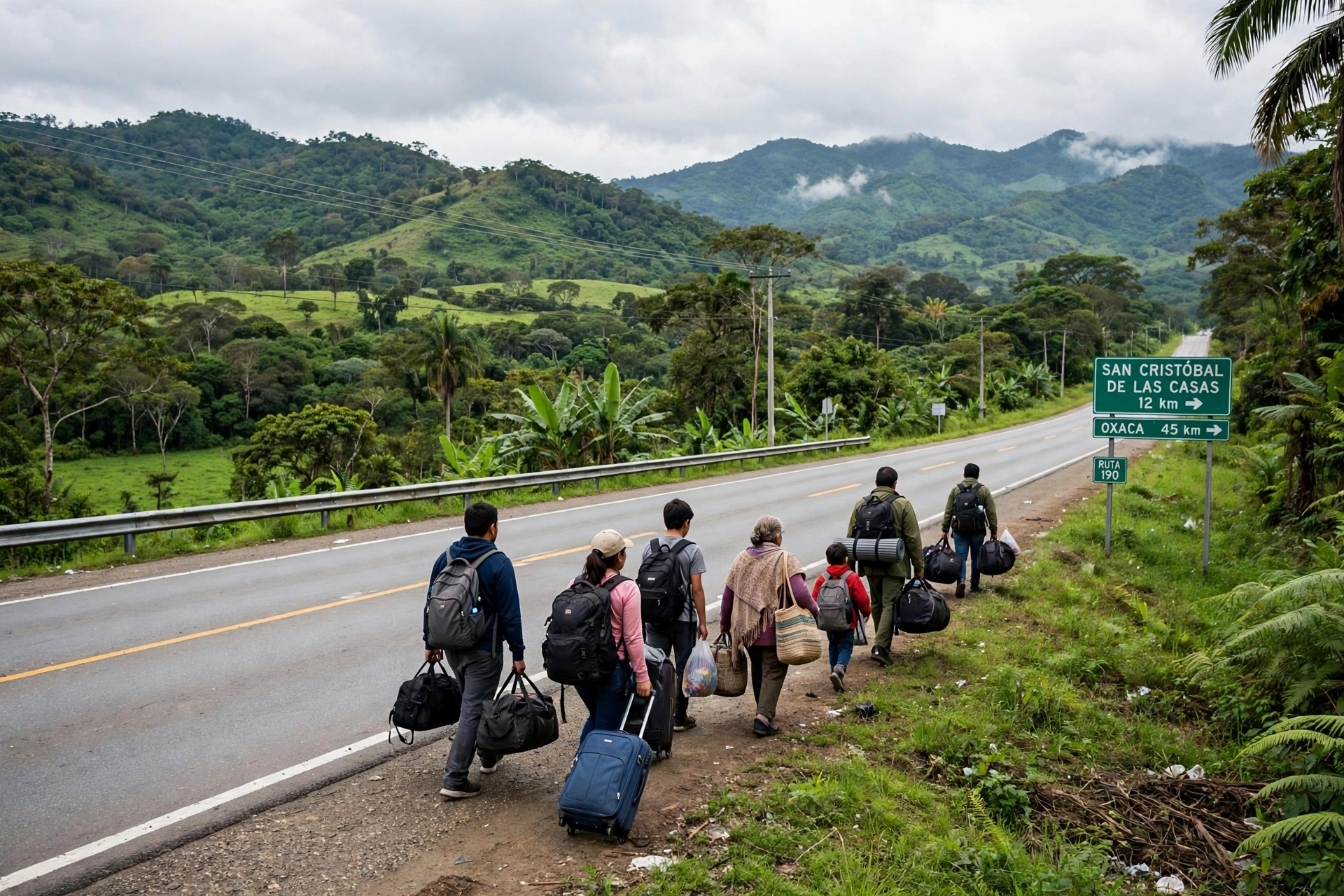
During a press briefing, Sheinbaum acknowledged the existence of two small caravans forming in southern Mexico, one in Chiapas with around 500 to 600 individuals, though she noted that fewer than 100 remained. Another group of Honduran migrants was also mentioned. Sheinbaum emphasized that Mexican authorities were accompanying these groups, offering humanitarian assistance and clarifying the difficulties they would face in attempting to cross into the United States. Most migrants, she indicated, tend to return home once they understand the challenges ahead, and she ruled out the use of force to disperse the caravans, citing Mexico's experience in managing such situations.
Trump's threat, which he posted on Truth Social, was direct and alarming. He claimed that "huge caravans" were forming and insisted that Mexico must act immediately to prevent their movement. This statement came in the wake of midterm elections that saw Democrats gain control of Congress, and it highlighted the ongoing tensions surrounding immigration policy. The timing of Trump's comments is significant, as they coincide with ongoing negotiations regarding tariffs imposed on various Mexican products last year, including a review of the United States-Mexico-Canada Agreement (USMCA).
The context surrounding Trump's tariff threat is crucial. Mexico is currently seeking to negotiate reductions in the tariffs that have been placed on its goods, including a 10 percent tariff on products not covered by the trade agreement and a 25 percent duty on medium- and heavy-duty trucks. The threat of increased tariffs is not an isolated incident but rather part of a broader, delicate commercial dialogue between the two nations.
In her measured response, Sheinbaum did not escalate the situation or mirror the intensity of Trump's remarks. Instead, she focused on the realities on the ground, reiterating that no migrant caravans had reached the northern border. Her calm and factual approach stands in stark contrast to the heated rhetoric often associated with immigration discussions, emphasizing the human aspect of the situation.
For the migrants involved, the political discourse between the two presidents feels distant from their immediate realities. They are caught in a complex negotiation that they did not initiate, with their journeys marked by uncertainty and the shifting landscape of immigration policy. Sheinbaum's strategy appears to be one of accompaniment and support, providing humanitarian assistance while also conveying the harsh realities of migration.
As discussions continue regarding tariffs and immigration policy, the fate of the migrant caravans remains uncertain. For now, they are not moving north, but the underlying issues driving migration persist, influenced by economic conditions and political decisions that extend beyond the immediate situation. The ongoing dialogue between the U.S. and Mexico is essential for addressing these challenges and finding a path forward that respects the humanity of those involved.
The images accompanying this article are AI-generated and are not documentary photographs.
Published by Banx Network. This article is part of the Banx decentralized media programme, powered by the BXE token on the XRP Ledger.