According to Reuters, energy ministers from the Association of Southeast Asian Nations, or ASEAN, met in Manila in early October to discuss energy security amid instability affecting Middle Eastern supply routes. The region relies heavily on imported energy, and more than half of its crude oil imports originate from the Middle East, making events thousands of kilometres away relevant to businesses and households across Southeast Asia.
The concern is not simply whether oil remains available. It is also whether shipments can reach their destinations reliably, how much transportation costs will rise and whether refineries can obtain the grades of crude they need. When shipping routes become more difficult to use, the consequences can spread through fuel prices, manufacturing expenses and the cost of moving food and other essential goods.
For many businesses, fuel is an operating expense that cannot easily be removed. Trucking companies need diesel, airlines depend on aviation fuel, and factories require energy to keep machinery running. If fuel prices rise sharply, companies may absorb part of the increase, raise prices or reduce other spending. Smaller businesses often have less room to manage sudden changes because they operate with narrower financial margins.
The Reuters report noted that regional policymakers were considering measures under ASEAN’s Petroleum Security Agreement framework. Such cooperation is intended to strengthen the region’s ability to respond to supply disruptions, including through information-sharing and coordinated preparedness. However, regional plans do not automatically guarantee that fuel can be moved quickly from one country to another during a crisis. Infrastructure, commercial agreements and national priorities all influence what can be done in practice.
Storage capacity is another important consideration. Strategic reserves can provide a temporary cushion when shipments are delayed, but building and maintaining them requires money, suitable facilities and careful planning. Countries also differ in their ability to store fuel, access alternative suppliers and transport energy inland. These differences mean that a disruption affecting the region as a whole may produce very different consequences from one economy to another.
Longer-term solutions are also receiving attention. ASEAN has discussed closer regional electricity connections, including the ASEAN Power Grid, alongside greater use of renewable energy and improved efficiency. Such initiatives require investment and coordination, but they could help countries diversify their energy options over time. Renewable electricity cannot replace every use of oil immediately, particularly in transport and certain industrial processes, yet reducing dependence on imported fossil fuels may make economies less exposed to future price shocks.
For Indonesia, the regional discussion is especially relevant because energy costs affect transport, logistics, industry and household spending. The practical response involves more than watching international oil prices. It also includes improving energy efficiency, maintaining reliable domestic distribution and preparing for periods when imported supplies become more expensive or difficult to secure. The effectiveness of these measures depends on consistent implementation rather than announcements alone.
Southeast Asia’s energy challenge is therefore both immediate and structural. Governments must respond to present uncertainty while investing in systems that can withstand future disruptions. Regional cooperation may help, but resilience will also depend on infrastructure, storage, diversified suppliers and realistic transition plans. The fuel that keeps the region moving has always travelled across borders; the task now is to make that journey less vulnerable to events beyond its control.
### SEO Slug
`asean-energy-security-middle-east-oil-supply-disruptions`
### Hashtags
#ASEAN #EnergySecurity #SoutheastAsia #OilSupply #EnergyMarkets #Indonesia #GlobalTrade #BusinessNews
### Image Disclaimer
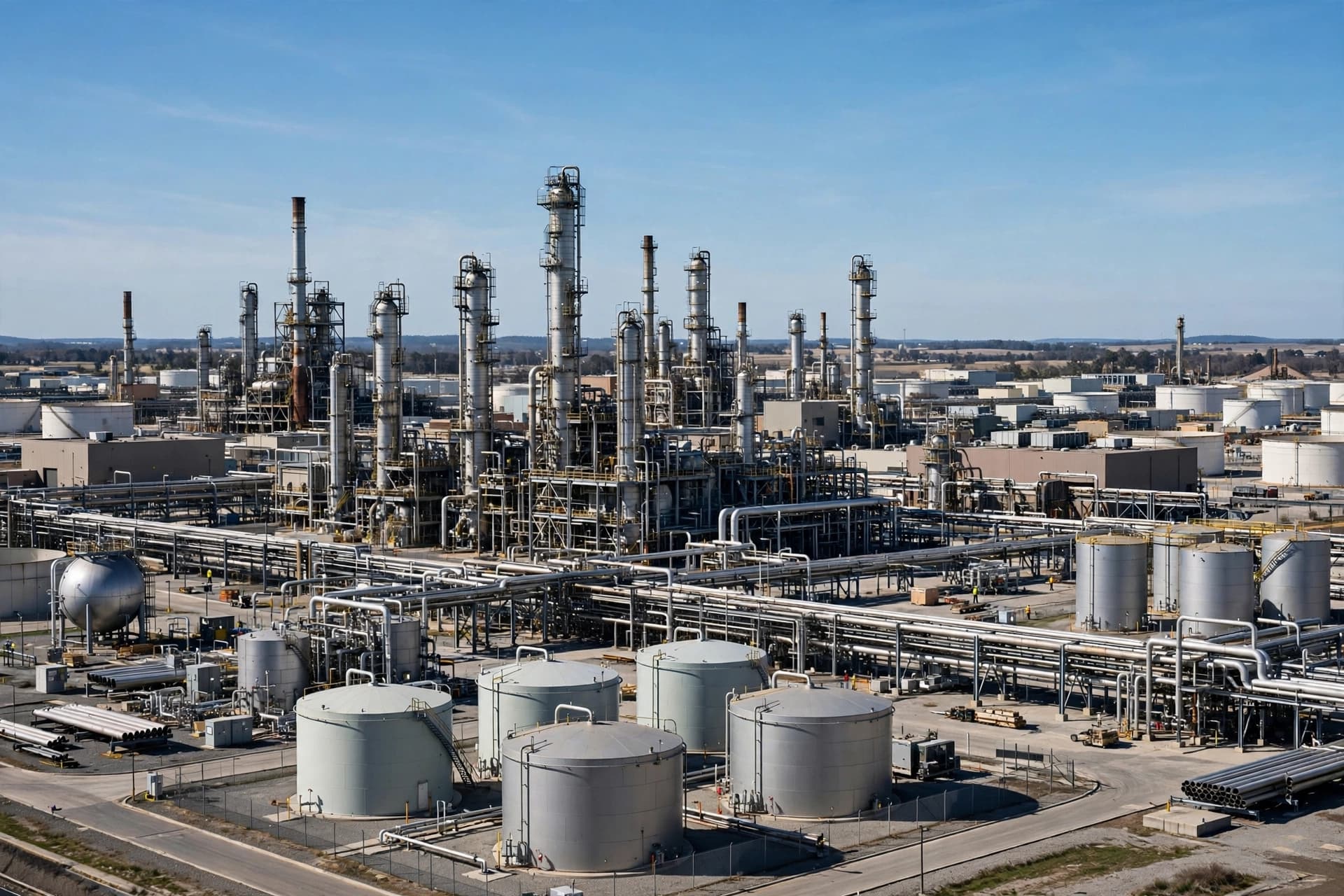
The accompanying images are AI-generated illustrations for editorial context. They do not depict specific events or facilities reported in the article.
### Sources
• Reuters
Published by Banx Network. This article is part of the Banx decentralized media programme, powered by the BXE token on the XRP Ledger.