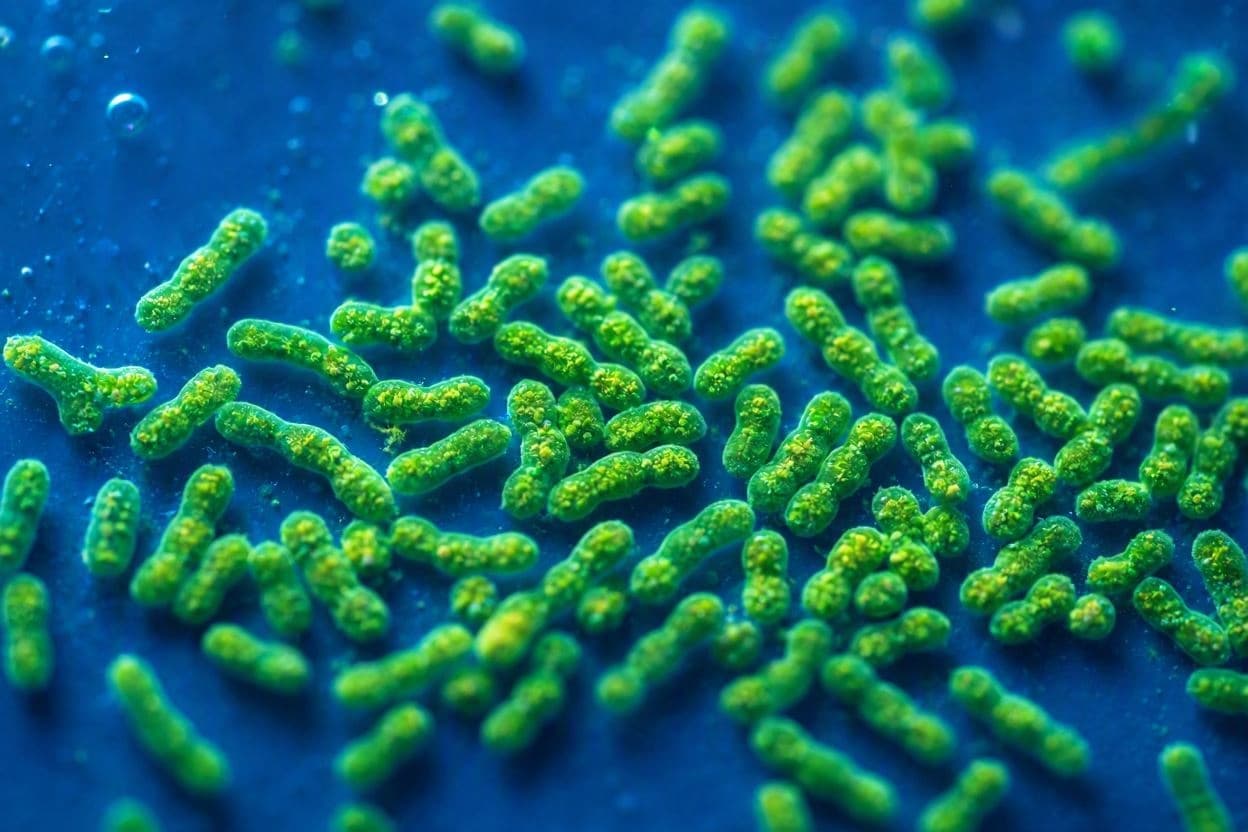
Beneath the waves of the open ocean, far from the reach of coastal forests and mangroves, a microscopic workforce is quietly shaping the Earth’s climate. Cyanobacteria, specifically a group known as Synechococcus and Prochlorococcus, are among the most abundant organisms on the planet. New research suggests that these tiny photosynthetic bacteria play a disproportionately large role in sequestering carbon, acting as unsung heroes in the global effort to mitigate climate change.
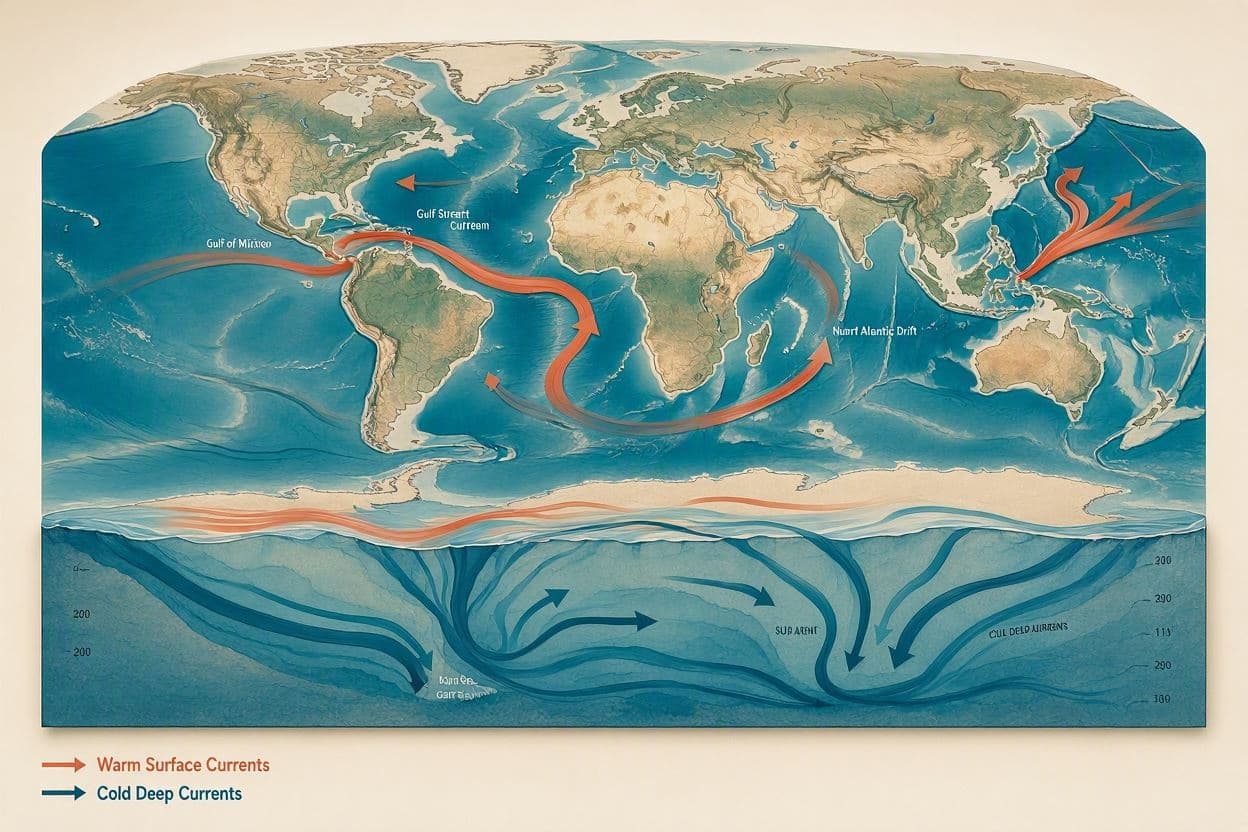
These unicellular organisms are primary producers, converting sunlight and carbon dioxide into organic matter through photosynthesis. While individual cells are minuscule, their collective biomass is immense. They form the base of the marine food web, supporting everything from zooplankton to whales. However, their impact extends beyond nutrition; they are key players in the biological carbon pump, a process that transports carbon from the surface ocean to the deep sea.
Recent studies have focused on the mechanism by which cyanobacteria contribute to carbon sequestration. When these bacteria die or are consumed, some of the carbon they have fixed sinks to the ocean floor, effectively removing it from the atmosphere for centuries or even millennia. This process, known as the "soft tissue pump," is enhanced by the rapid growth rates and high abundance of cyanobacteria in nutrient-poor tropical and subtropical waters.
The discovery highlights the importance of oligotrophic oceans, regions previously thought to be biological deserts due to low nutrient levels. In reality, these areas are teeming with life adapted to scarcity. Cyanobacteria thrive here because of their efficiency in using limited resources. Their ability to fix nitrogen and carbon under such conditions makes them critical stabilizers of the global carbon cycle.
Understanding the role of cyanobacteria is crucial for predicting future climate scenarios. As ocean temperatures rise and stratification increases, nutrient availability in surface waters may change. If cyanobacteria populations shift in response, it could alter the efficiency of carbon sequestration. Models that ignore these microscopic contributors may underestimate the ocean’s capacity to absorb atmospheric CO2.
Conservation efforts often focus on visible ecosystems like coral reefs and kelp forests. While these are vital, the invisible world of plankton deserves equal attention. Protecting ocean health means preserving the conditions that allow cyanobacteria and other microbes to flourish. This includes reducing pollution, managing fisheries sustainably, and addressing the root causes of climate change.
As we look for solutions to the climate crisis, nature offers many clues. The humble cyanobacterium, invisible to the naked eye, reminds us that small actors can have massive impacts. By studying and protecting these microscopic heroes, we gain a better understanding of the planet’s resilience and our place within its delicate balance.
AI Image Disclaimer: The images used in this report are AI-generated visuals created to illustrate marine microbiology and ocean ecosystems.
Sources: Nature Microbiology, Smithsonian Ocean, NOAA
Published by Banx Network. This article is part of the Banx decentralized media programme, powered by the BXE token on the XRP Ledger.