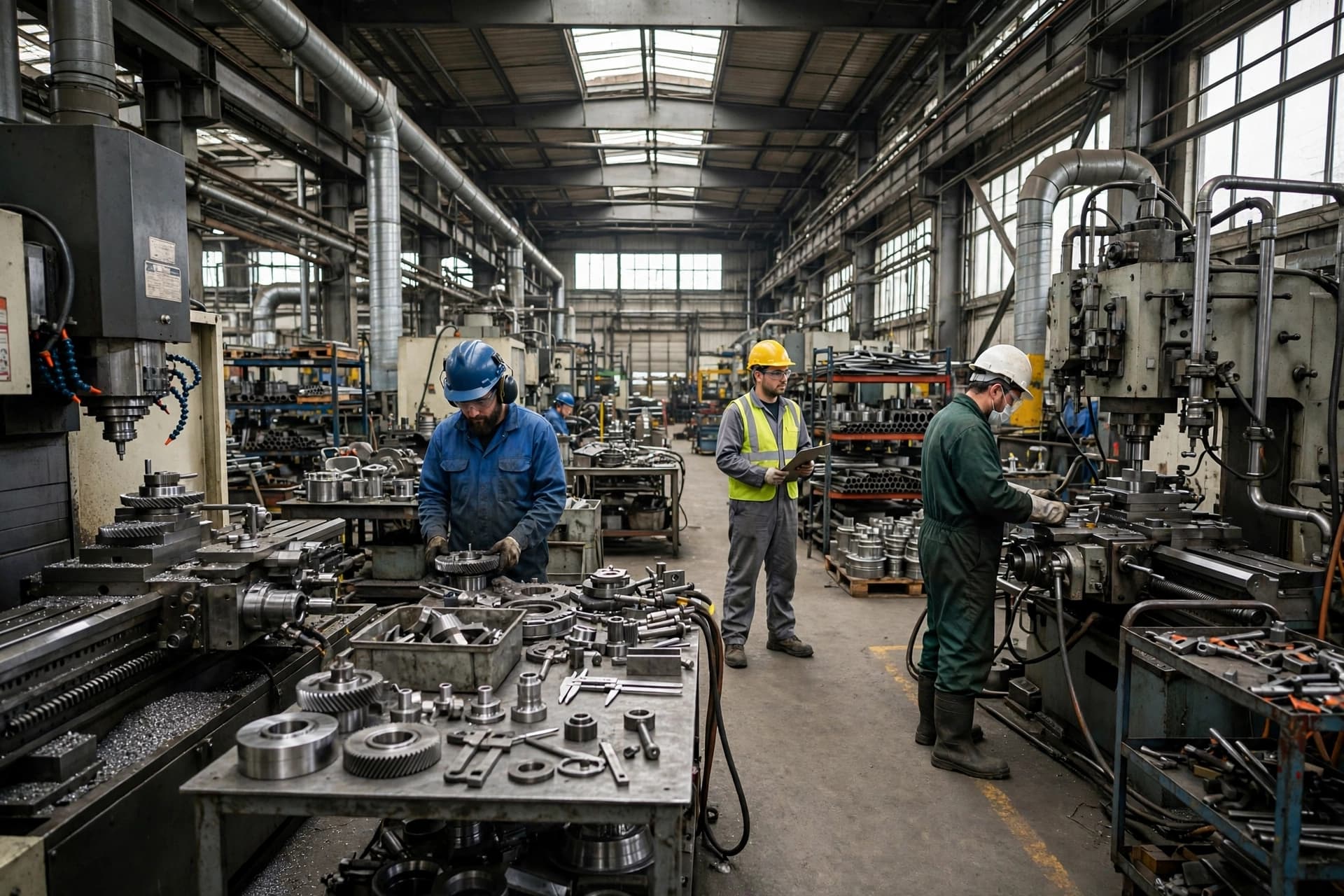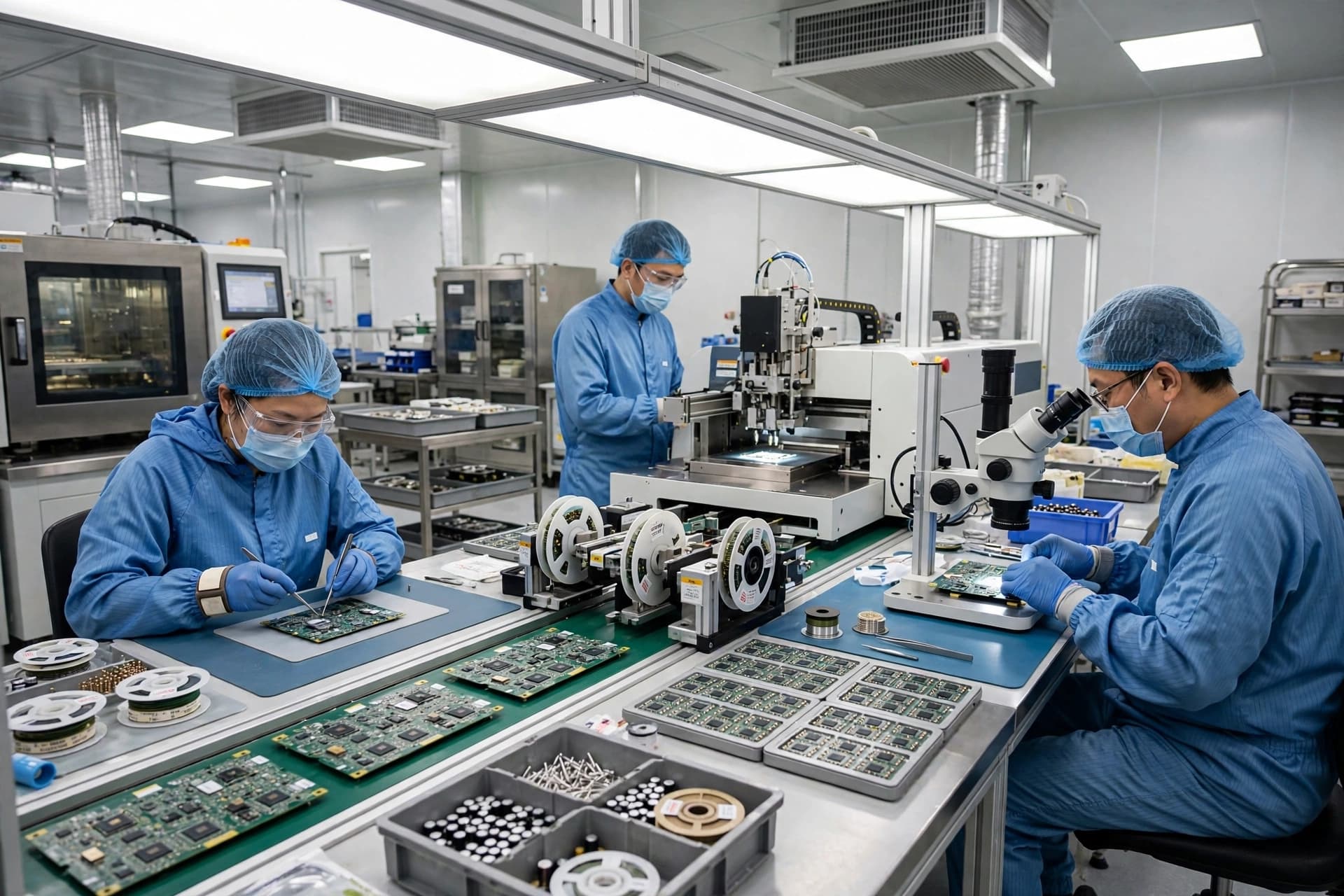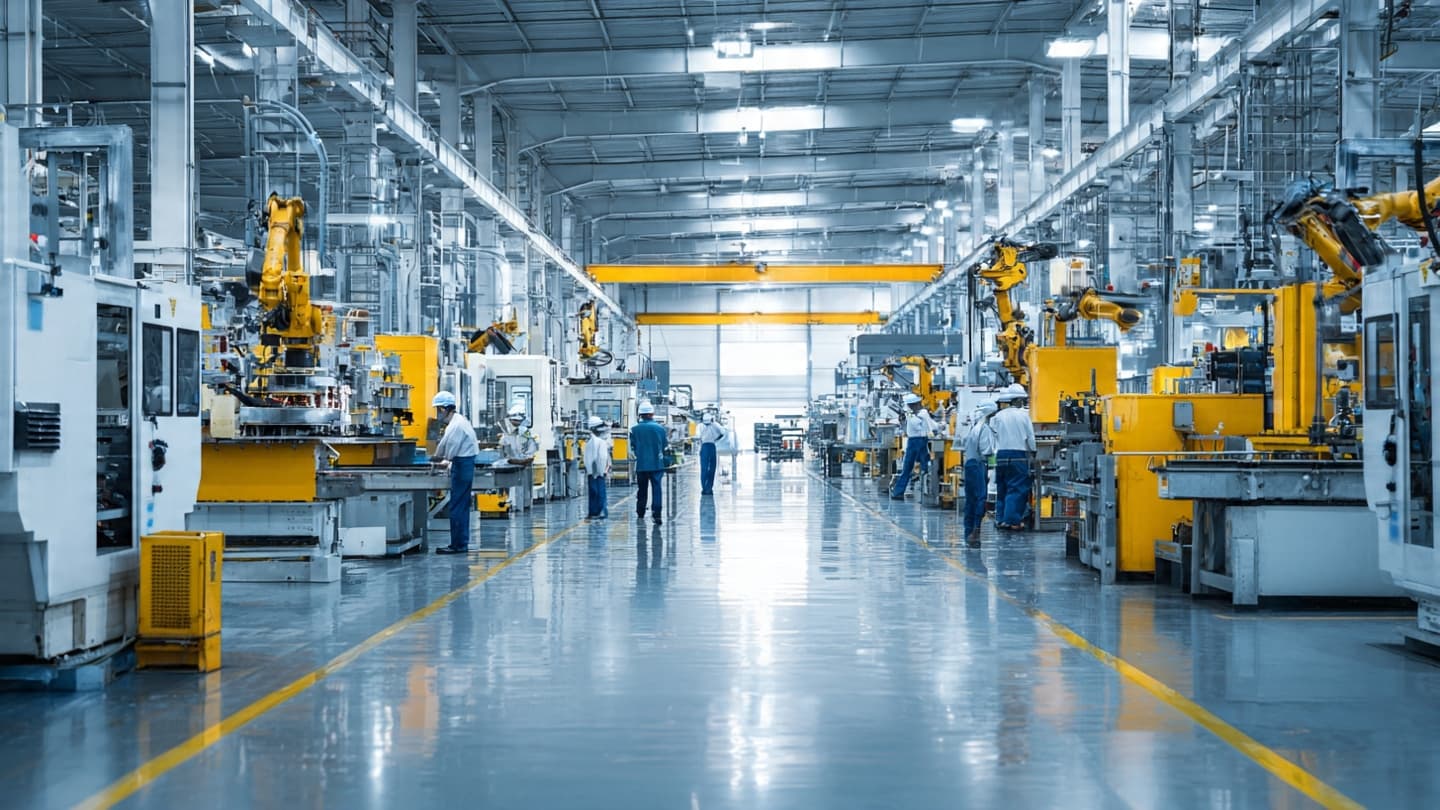
Factories are often viewed as symbols of economic activity, where ideas become products and resources become opportunities. In Iran, the manufacturing sector continues adapting to changing market conditions while businesses evaluate new approaches to production and growth.
Manufacturers around the country are facing an environment shaped by changing demand, operational challenges, and evolving commercial expectations. Companies are focusing on maintaining efficiency while responding to broader economic trends.
The manufacturing industry remains an important part of economic development because it connects workers, technology, supply chains, and consumer markets.
Businesses are increasingly looking toward innovation as a way to strengthen their operations. Improvements in production systems, technology adoption, and resource management have become important areas of attention.
Global demand patterns continue influencing manufacturing decisions. Companies must consider not only local conditions but also developments in international markets.
The modern industrial environment requires flexibility. Manufacturers are exploring ways to improve productivity and create stronger systems that can respond to unexpected changes.
Technology plays a growing role in this transformation. Digital monitoring, automation, and data analysis are becoming valuable tools for improving industrial processes.
Although challenges exist, businesses continue working to identify opportunities within changing circumstances. Manufacturing remains a sector where adaptation and planning can create long-term advantages.
Recent developments show that Iran’s manufacturing sector continues evolving alongside wider global economic changes. Companies remain focused on improving resilience and maintaining production capabilities.
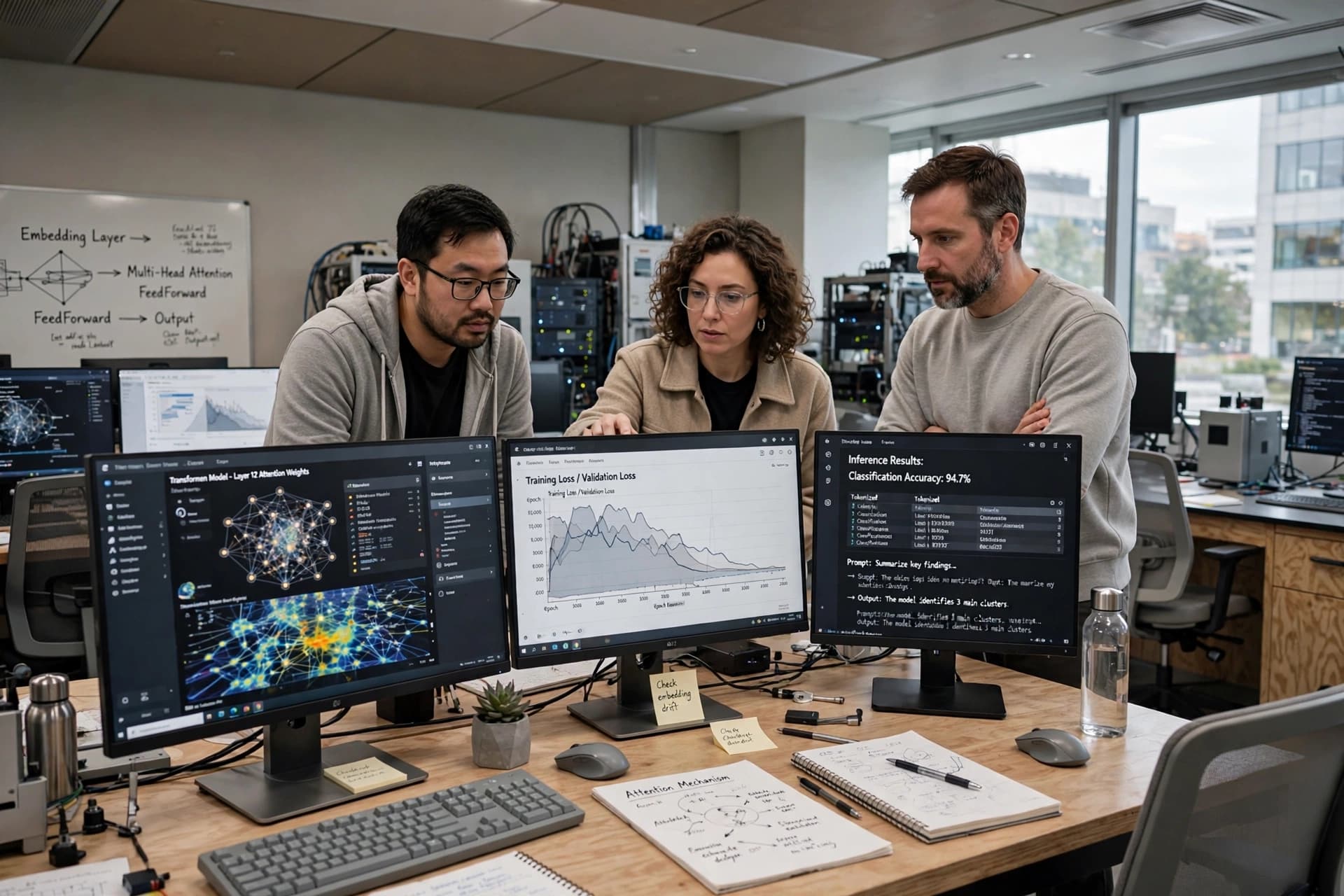
AI Image Disclaimer: Visuals are created using AI technology and provide conceptual representations for illustration purposes only.
Sources: Reuters Reuters Business Reuters Industry Reuters Markets Thomson Reuters
Published by Banx Network. This article is part of the Banx decentralized media programme, powered by the BXE token on the XRP Ledger.