Key Highlights
- Fit-out costs in London have surged to record highs, exceeding £190 per square foot.
- The supply of Grade A office space is critically low, impacting businesses.
- Small and medium-sized enterprises are particularly affected by rising costs and limited options.
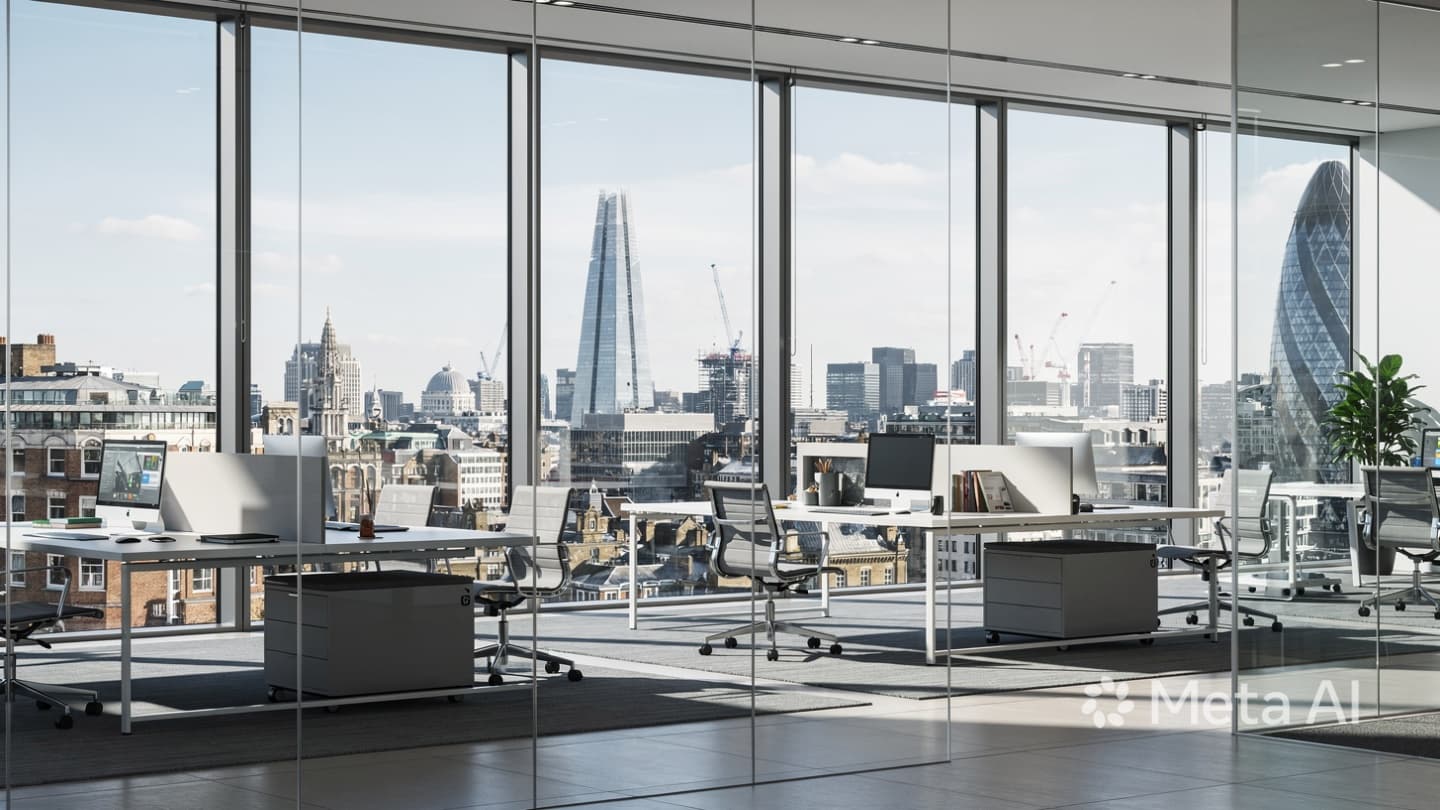
The London commercial real estate market is currently grappling with a significant crisis as office fit-out costs reach unprecedented levels, driven by a severe shortage of Grade A office space. Recent data indicates that the cost of preparing premium office environments in central London has skyrocketed, with some specifications now exceeding £190 per square foot. This surge in costs coincides with a critical bottleneck in the pipeline for new, sustainable, and high-specification buildings in key areas such as the City and West End.
Market volatility is being fueled by a combination of high demand for top-tier workspace and ongoing inflation in construction materials and specialized labor. As businesses strive to create appealing environments to encourage employees to return to the office, the availability of move-in-ready premium spaces has not kept pace with corporate needs. Consequently, many firms are compelled to undertake extensive refurbishment projects in older buildings, further escalating their overall expenditures on infrastructure and interior design.
According to global property consultancies, London has now become the most expensive office fit-out market worldwide. Investors and developers are observing that the all-in cost, which encompasses gross rent along with fit-out expenses, has increased by nearly 10% over the past two years. This trend is particularly pronounced in the financial and legal sectors, where high-spec finishes and advanced technological integration are essential for maintaining competitiveness on a global scale.
Supply chain disruptions have also contributed to the rising financial burden on tenants. Specialized components for HVAC systems and bespoke joinery are experiencing longer lead times and higher costs, compelling project managers to incorporate larger contingencies into their budgets. Many firms that postponed office decisions during the previous fiscal year are now confronted with a significantly more expensive landscape, with limited alternatives for high-quality accommodations.
The scarcity of Grade A space extends beyond mere square footage; it also encompasses quality and compliance with emerging environmental, social, and governance (ESG) standards. Many existing buildings require substantial upgrades to meet modern efficiency benchmarks, adding another layer of cost to standard fit-outs. Occupiers must now consider low-carbon systems and sustainable material sourcing to comply with corporate mandates and regulatory pressures.
In response to the shortage, landlords in London are adjusting the incentives previously offered to prospective tenants. Rent-free periods and capital contributions for renovations are being reduced as the balance of power shifts back to property owners in prime districts. In areas such as Midtown and the City, the vacancy rate for the highest quality buildings has fallen into the low single digits, leaving little room for negotiation on pricing or timelines.
Small and medium-sized enterprises (SMEs) are particularly vulnerable to these market shifts, as they often lack the financial reserves of larger multinational corporations. The baseline for a standard Cat B fit-out, which includes branding, partitions, and furniture, has now moved beyond the reach of many startups, forcing them to consider serviced offices or lower-tier peripheral locations. This trend is beginning to alter the geographic distribution of London's various business clusters.
Industry experts predict that these elevated costs will persist throughout the remainder of the year as the construction sector continues to contend with wage growth and high interest rates. While some new developments are expected to be completed by late 2026, they are likely to be pre-leased quickly, providing little relief to the immediate supply crunch. For now, the London commercial market remains a high-stakes environment where the price of premium space continues its relentless ascent.
Published by Banx Network. This article is part of the Banx decentralized media programme, powered by the BXE token on the XRP Ledger.