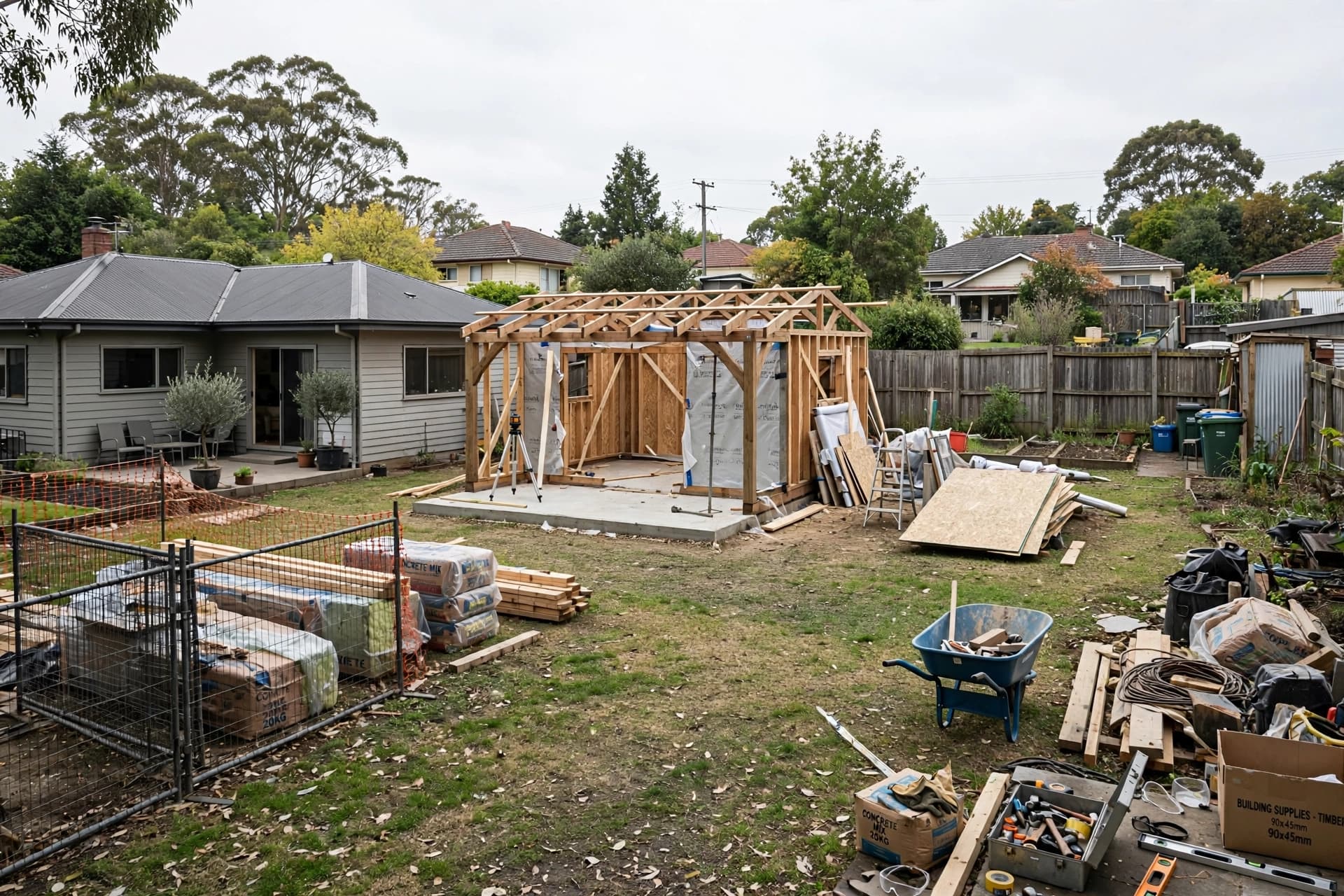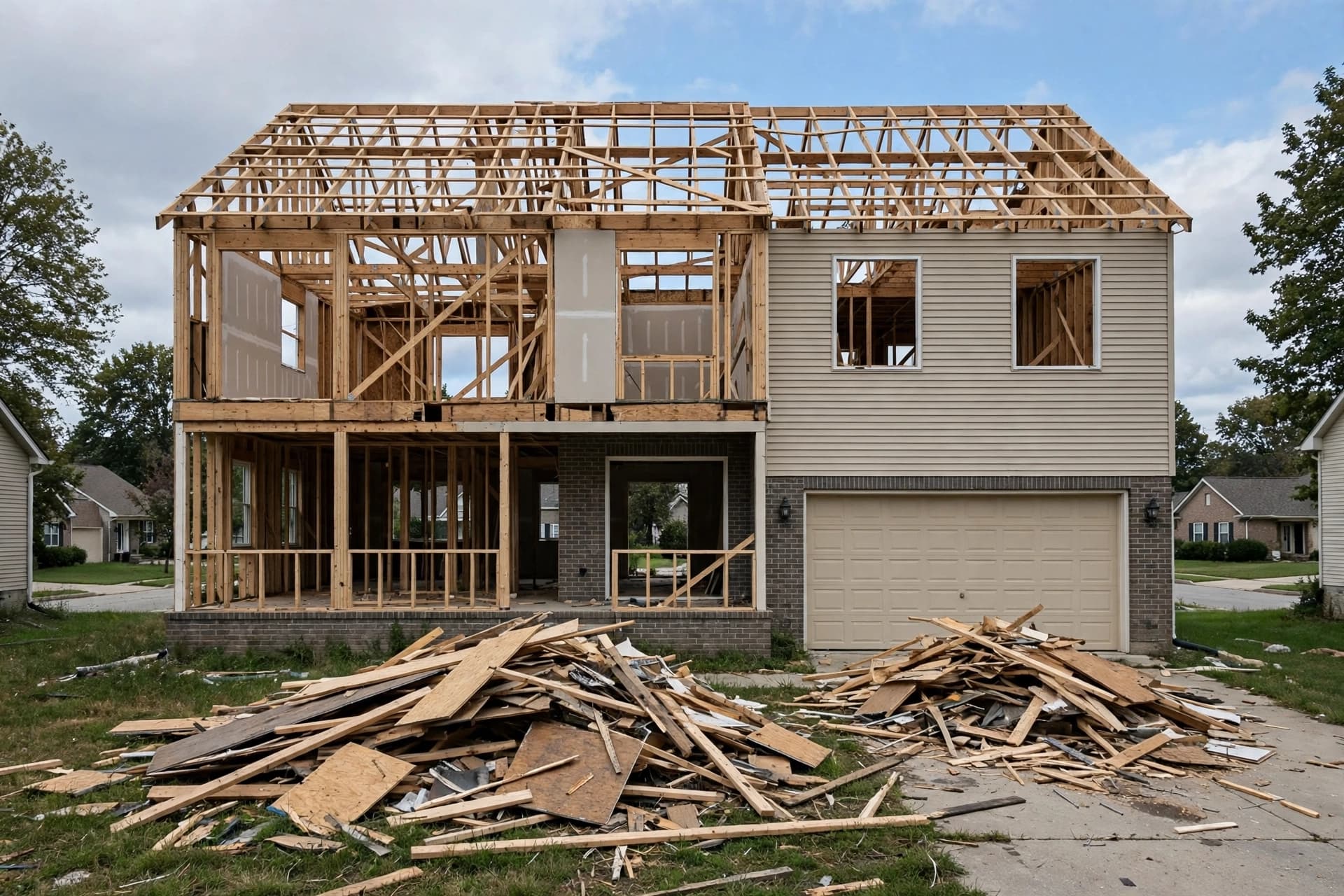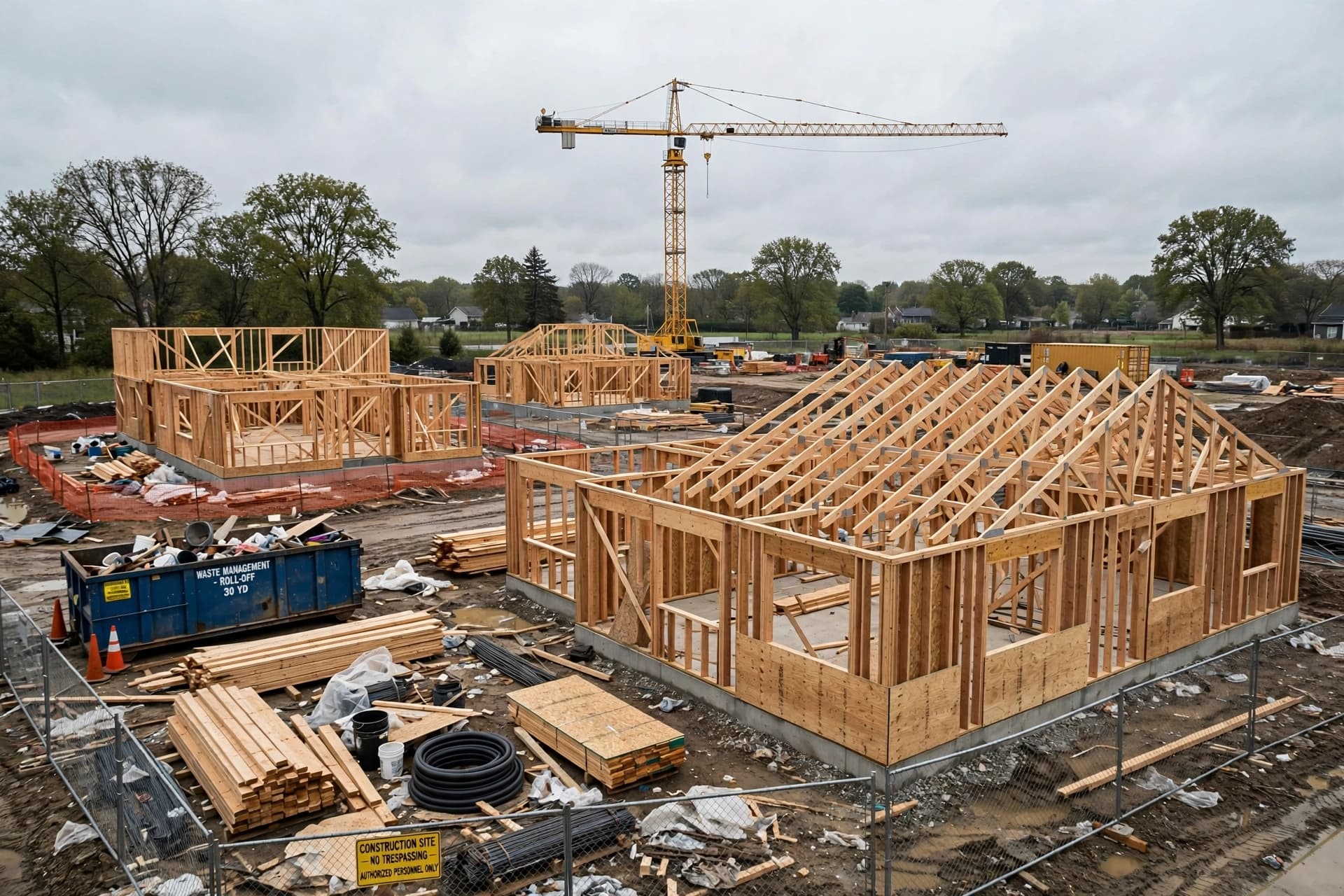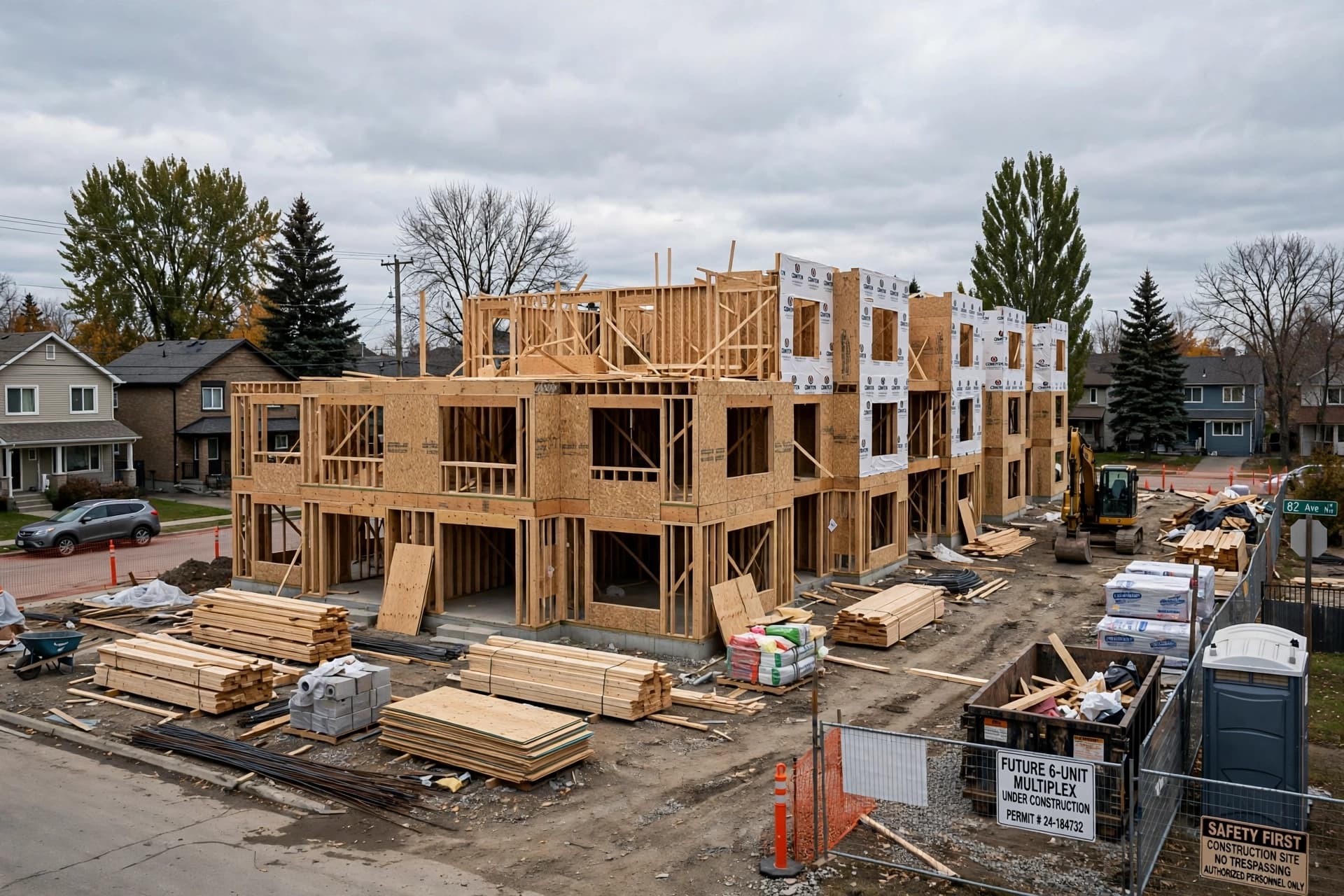
In the language of city planning, a zoning bylaw is not merely a set of rules. It is a promise—to homeowners, to builders, to the investors who commit capital on the assumption that the rules will hold long enough for a project to reach completion. In Edmonton, that promise is now being rewritten by provincial order, and the people who placed their bets on the old rules are watching the ground shift beneath them. On Thursday, an order in council was published directing Edmonton to revert its zoning bylaw to the residential small scale classification and parking requirements in effect before December 31, 2023, within three months. Calgary faces a parallel order .
The directive follows Premier Danielle Smith's public criticism of Edmonton's current bylaw, which she said has permitted "irresponsible" infill development—multifamily complexes in neighborhoods dominated by single-family homes . Since the bylaw took effect in 2024, the city has permitted 5,187 five- to eight-plexes in mature neighborhoods, about 13 percent of all homes permitted . The province's order requires council to draft a new bylaw within 18 months that meets the minister's expectations .
For Mayor Andrew Knack, the problem is not the principle of planning but the suddenness and the cost. "It will create real harm," he said, speaking of small businesses in the construction sector. "We need to talk about Edmontonians who need affordable housing. They need to understand what their specific decisions do to all those voices" . Knack confirmed he would meet with Premier Smith later in the month, saying he wanted to discuss "what a respectful relationship looks like" and that "the behaviour on the infill issue suggests to me there isn't" mutual respect .
The investors' perspective is more granular and more precarious. Akith Dissanayake, a group manager at Synergy Capital, told Postmedia that upwards of 15 of his clients have spent hundreds of thousands of dollars navigating the city's permitting process—costs that could now become sunk. "A lot of our clients purchased land and are in the process of getting drawings to apply for permits and this came out of left lane," he said. "Now they're worried if the city is going to not take any more applications or if they're going to adhere to the three-month time frame the province gave them" .
Many of those clients, Dissanayake said, used personal savings with the intention of recovering their investment once construction began. The uncertainty does not stop at the developer's ledger. If infill projects stall, the ripple reaches framers, plumbers, electricians, and the professional services that support them. "People don't realize that infill was employing a lot of people," he said. "All the sub-trades, the professional services, that's all going to get affected" .
The dispute sits at the intersection of two legitimate concerns: the province's desire for housing that is "planned and integrated in a way that works for both existing residents as well as future families," as Smith put it, and the city's interest in maintaining a regulatory environment stable enough to attract investment . Housing scholar Damian Collins of the University of Alberta noted that developers made decisions based on the current rules, and that reinstated parking minimums could slow development and add costs . Alberta Municipalities president Dylan Bressey was more direct: "Enough is enough. The provincial government's overreach needs to stop" .
Edmonton city council is scheduled to discuss the order at its next meeting on Tuesday. The four-year budget deliberation cycle is about to begin. The investors are waiting. The trades are waiting. And the city is left to reconcile a directive from above with the promises it made below.
AI Image Disclaimer: The visual content in this article was generated by AI and is intended for illustrative purposes only.
Sources: Edmonton Sun, Postmedia, Taproot Edmonton, Yahoo News Canada
Published by Banx Network. This article is part of the Banx decentralized media programme, powered by the BXE token on the XRP Ledger.