Key Highlights
- Hundreds of thousands protested in Madrid and Barcelona over housing issues.
- The strike, the first in 14 years, was organized by major unions.
- Spain faces a housing deficit of 750,000 homes, with rents nearly doubling in a decade.
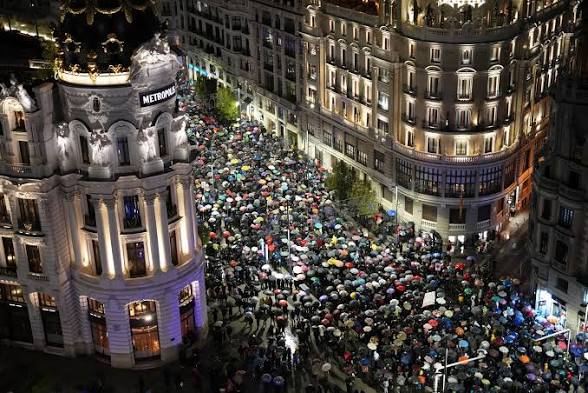
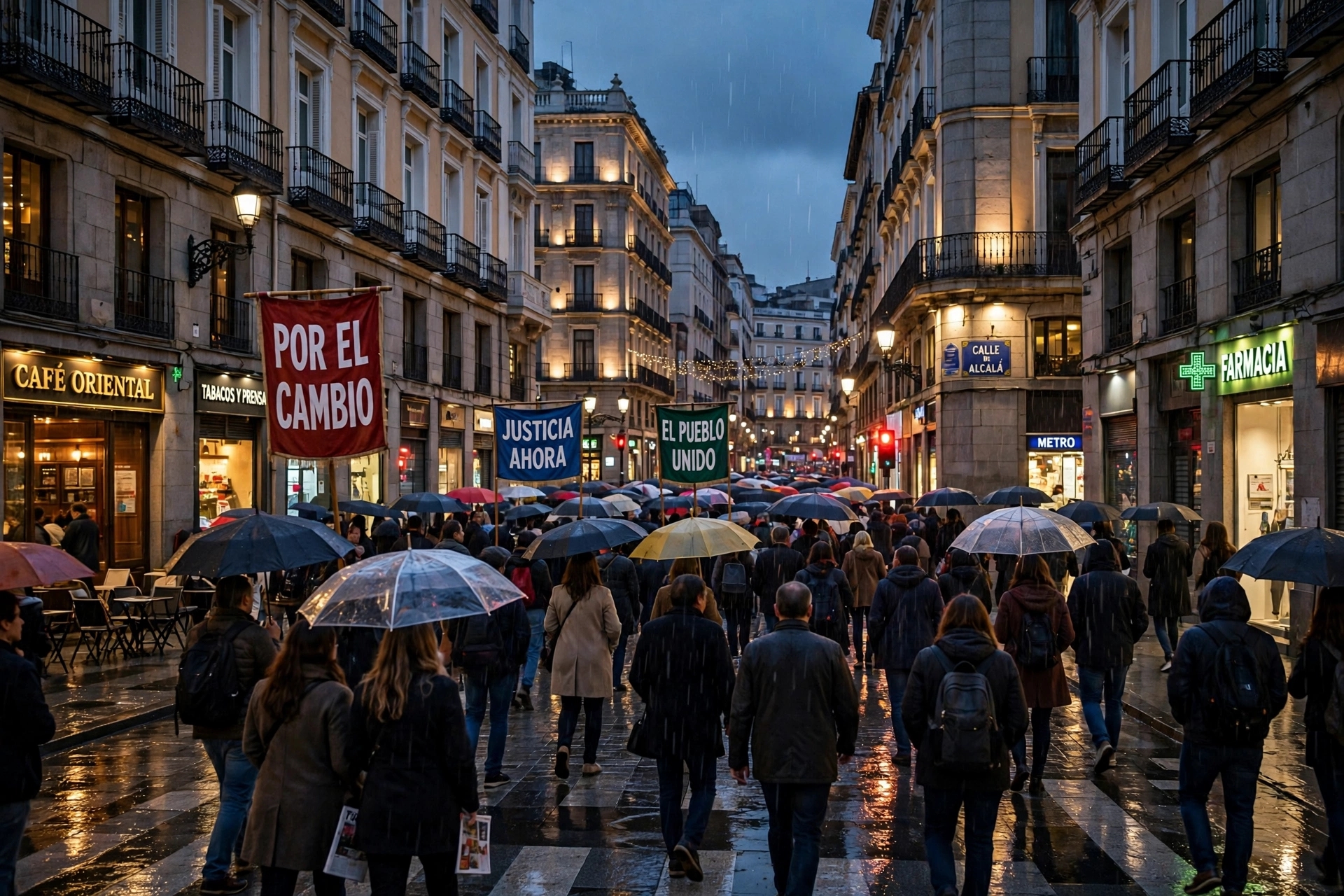
In a significant display of public discontent, hundreds of thousands of people took to the rain-soaked streets of Madrid and Barcelona this week, marking the first general strike in Spain in fourteen years. Organized by the country's two largest labor unions, UGT and CCOO, the strike was fueled by a growing housing crisis that many believe has reached a breaking point. Under the rallying cry of "Salaries. Housing. Prices," the protests saw public transport grind to a halt, businesses close, and schools shut down, with authorities estimating around 120,000 participants in Madrid and 55,000 in Barcelona, although housing activists claimed the latter figure could be as high as 400,000.
The statistics behind the protests paint a grim picture. Spain currently faces a housing deficit of approximately 750,000 homes, a figure projected to exceed one million by 2028, according to the central bank. The average rent has skyrocketed nearly 100% over the past decade, now standing at €1,176, which consumes nearly all of the average young person's salary, as reported by Spain's youth council. The crisis has been underscored by tragic incidents, such as the eviction and subsequent death of 87-year-old Maricarmen Abascal, which has resonated deeply with the public and highlighted the urgent need for reform.
The political backdrop to the protests is equally significant, as Spain prepares for snap elections on November 29. The housing crisis has emerged as a pivotal issue in the campaign, with Prime Minister Pedro Sánchez's left-wing government expressing support for the strike. Sánchez framed the protests as a mobilization for rights rather than an attack on opposition parties. However, the opposition, led by Alberto Núñez Feijóo of the People's Party, dismissed the strike as "absurd," particularly if it was aimed at them.
While the majority of the protests remained peaceful, tensions flared in Barcelona, where small groups of masked individuals vandalized storefronts and clashed with police, resulting in eighteen arrests. In Madrid, confrontations occurred near the Mercamadrid wholesale market, where police reportedly used pepper spray, leading to several injuries among protesters. Despite these incidents, the overwhelming majority of demonstrators marched peacefully, many braving the rain with umbrellas.
The effectiveness of the strike remains a topic of debate. Unions reported significant work stoppages, with participation rates of 90% in the automotive and port sectors, 85% in meat processing, and 75% in energy. Conversely, the CEOE, a major business owners' association, labeled the strike a "failure," estimating overall participation at just five percent. Both sides acknowledged that participation was notably higher in heavy industries compared to retail and restaurants, with only five percent of flights canceled according to airport operator AENA.
For many participants, the strike was not just about numbers but about making their voices heard. Almudena López, a 74-year-old protester, reflected on the changing economic landscape, lamenting that her son, despite having a university degree, struggles to find affordable housing. As the election date approaches, the housing crisis looms large, and the strike has ensured that it remains a central topic in the political discourse, making it impossible for any party to ignore the pressing issue at hand.
Published by Banx Network. This article is part of the Banx decentralized media programme, powered by the BXE token on the XRP Ledger.