Sometimes history hides its stories in the quietest corners — in forgotten rock shelters and the dust of ancient bones. Imagine, then, a hunter‑gatherer whose life ended some 5,500 years ago amid the wind‑swept hills near what is now Bogotá, Colombia. This solitary figure, long unseen by the modern eye, has become a whisper from the deep past, carrying with it a message that challenges centuries of assumptions about disease and human history. The message came not through words, but from DNA — tiny fragments of a bacterium entwined with human life so long ago that it predates the first civilizations that shaped written memory.
In a study published in Science, researchers extracted and sequenced DNA from the remains of this ancient individual and found traces of Treponema pallidum — the species of bacterium whose modern relatives include the causes of syphilis, yaws, bejel, and other treponemal diseases. This genetic material stands as the oldest known evidence of T. pallidum in the Americas, pushing the documented history of such pathogens back by more than 3,000 years.
To grasp the significance of this find, it helps to understand how the history of syphilis has long been entangled with narratives of contact and exchange. For centuries scholars argued over whether syphilis emerged in Europe, spread from the New World after Christopher Columbus’s voyages, or existed in various corners of the Old World before those Atlantic crossings. The new ancient genome doesn’t neatly resolve every chapter of this debate, but it does illuminate a truth too long obscured: treponemal bacteria were part of the human landscape in the Americas long before European ships ever appeared on the horizon.
What the scientists uncovered is not precisely the same strain that causes sexually transmitted syphilis today. Rather, the ancient DNA reflects a previously unknown lineage within the T. pallidum family tree — a distant cousin whose genetic roots likely split from modern relatives around 13,700 years ago. It thrived in a world of hunter‑gatherer bands, where people moved across landscapes in small groups, encountered animals in the wild, and lived lives shaped by close ecological and social contact rather than densely packed urban settlements.
In the earliest millennia of human existence, disease and environment were woven together like threads in a tapestry no one yet knew how to read. Ancient pathogens did not wait for sprawling cities or agricultural surpluses to flourish; they adapted alongside people as they migrated, traded, and lived. The presence of Treponema DNA in this ancient Colombian skeleton is a poignant reminder that humans have long carried — and coped with — microscopic companions whose histories stretch back into deep time.
Of course, the finding does not answer all questions. Scientists still debate how and when the Treponema species evolved into the sexually transmitted form recognized in much later history, and whether strains with similar origins existed in other parts of the world. Some genomic evidence suggests that treponemal diseases may have had diverse histories on multiple continents, shaped by migration and interaction. But the discovery in Colombia strengthens one side of a long‑standing debate, showing that the foundations of these infections were already in place in the Americas long before the age of European exploration.
As researchers build on this work, combining archaeological insight with cutting‑edge genetic tools, the story of disease and humankind continues to unfold not as a simple tale of origins and transmission but as a layered chronicle of encounters across time. In the silent bones of a person long passed, we glimpse a bridge between past and present — a reminder that every organism, microscopic or great, has its place in the shared history of life.
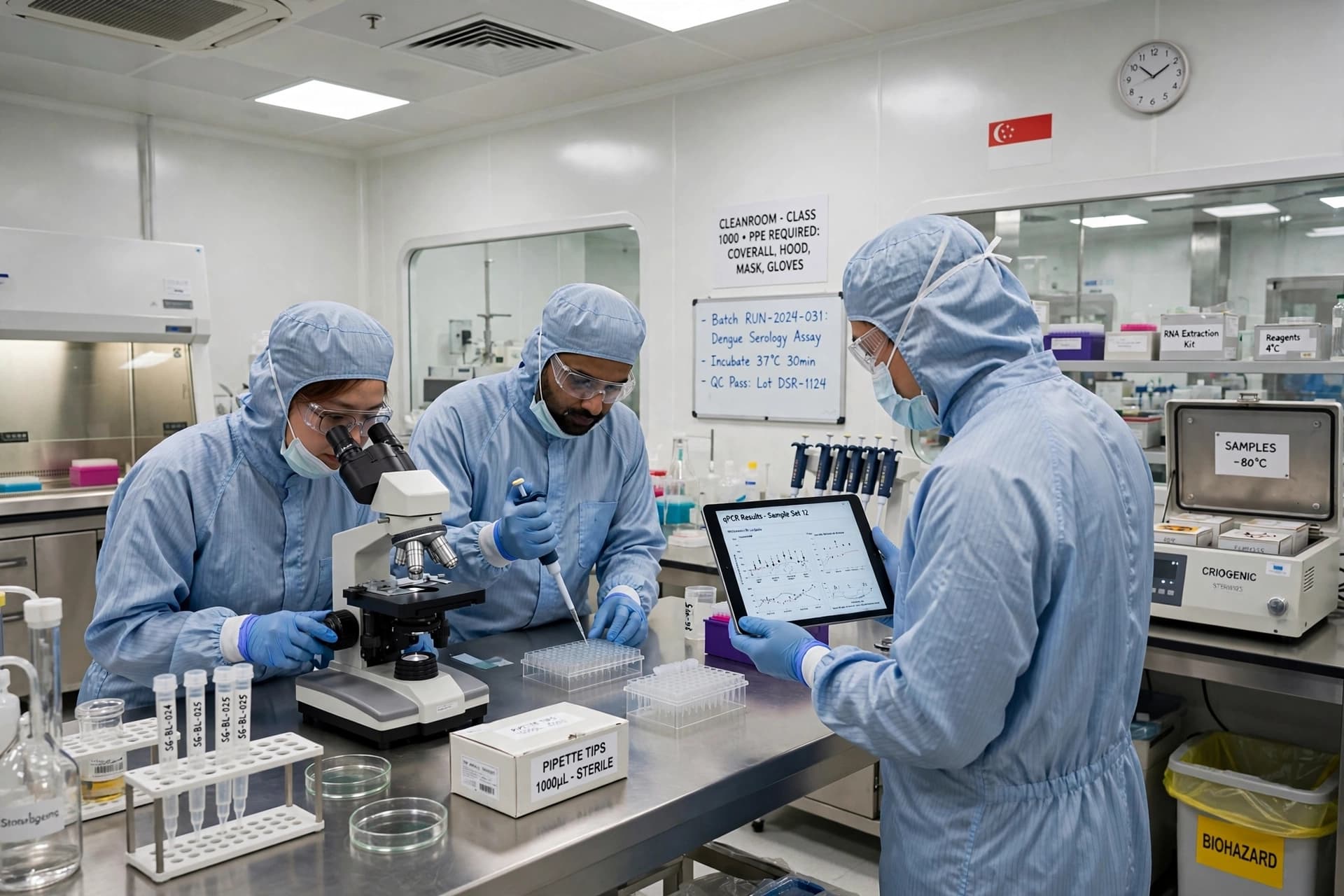
AI Image Disclaimer “Visuals are created with AI tools and are not real photographs.”
Sources The Washington Post, ScienceAlert, Live Science, Phys.org, SIB Swiss Institute of Bioinformatics.
Published by Banx Network. This article is part of the Banx decentralized media programme, powered by the BXE token on the XRP Ledger.