On a chilly January evening, the sun dipped low behind the familiar skyline of Orland Park, painting long shadows across parcels of quiet land once defined by stillness and echoes of the past. Yet, in that serene moment, a new chapter was quietly unfolding — one that entwines the promise of economic opportunity with the stirring of local voices. In a vote that captured both optimism and concern, Amazon’s plan to build a massive new retail concept was approved by the Orland Park Village Board, opening a path for one of the suburb’s most significant commercial developments in years.
The proposed site — a 35-acre parcel at the busy intersection of 159th Street and LaGrange Road, once home to the now-closed Petey’s II restaurant — is poised to transform into a roughly 230,000-square-foot retail destination unlike any physical store Amazon has built before. Although the company has not yet christened the concept with a formal name, it promises a blend of general merchandise, groceries, household essentials, pickup areas, and integration with Amazon’s digital ordering systems — all without requiring a Prime membership to shop.
For many observers, the scale of the project — larger than an average Walmart Supercenter — signals Amazon’s deeper commitment to brick-and-mortar retail after years of digital dominance. The new location, with its expansive footprint and broad product offerings, aims to fuse the convenience of online shopping with the immediacy of in-person retail.
Yet this shift has not been without its local debate. During the approval process — which unfolded over just a few weeks and included public meetings and comment periods — a number of residents voiced concerns about the speed of decision-making and the long-term impact on traffic and community character. Some argued that the scale and permanence of the development deserved more robust scrutiny and time for neighborhood review.
Supporters of the plan, including Mayor Jim Dodge and a majority of the Board of Trustees, framed the project as a catalyst for economic vitality. They noted that the development is expected to create roughly 500 jobs, with an additional 200 positions generated during construction, and generate increased sales and property tax revenue that could support broader infrastructure improvements around the corridor.
Traffic concerns loom large among many residents, particularly along a corridor already dense with retailers. Amazon and village officials have responded with plans for new traffic signals, turn lanes, and an extension of Ravinia Avenue designed to ease congestion and improve circulation around the site.
Beyond logistics, the project reflects a larger narrative in American retail: a moment where digital behemoths experiment with physical spaces that challenge traditional big-box formats and blur the lines between online convenience and in-store experience. For a community like Orland Park, the arrival of such a project brings both anticipation and reflection on what it means to balance growth with neighborhood identity.
As the landscape around LaGrange Road begins its next transformation, the stories of those who will shop, work, and drive past this new landmark are only beginning to unfold. In the quiet pauses between public hearings and construction plans, there lies a collective moment of looking forward — toward opportunity, change, and the rhythms of daily life that make a place home.
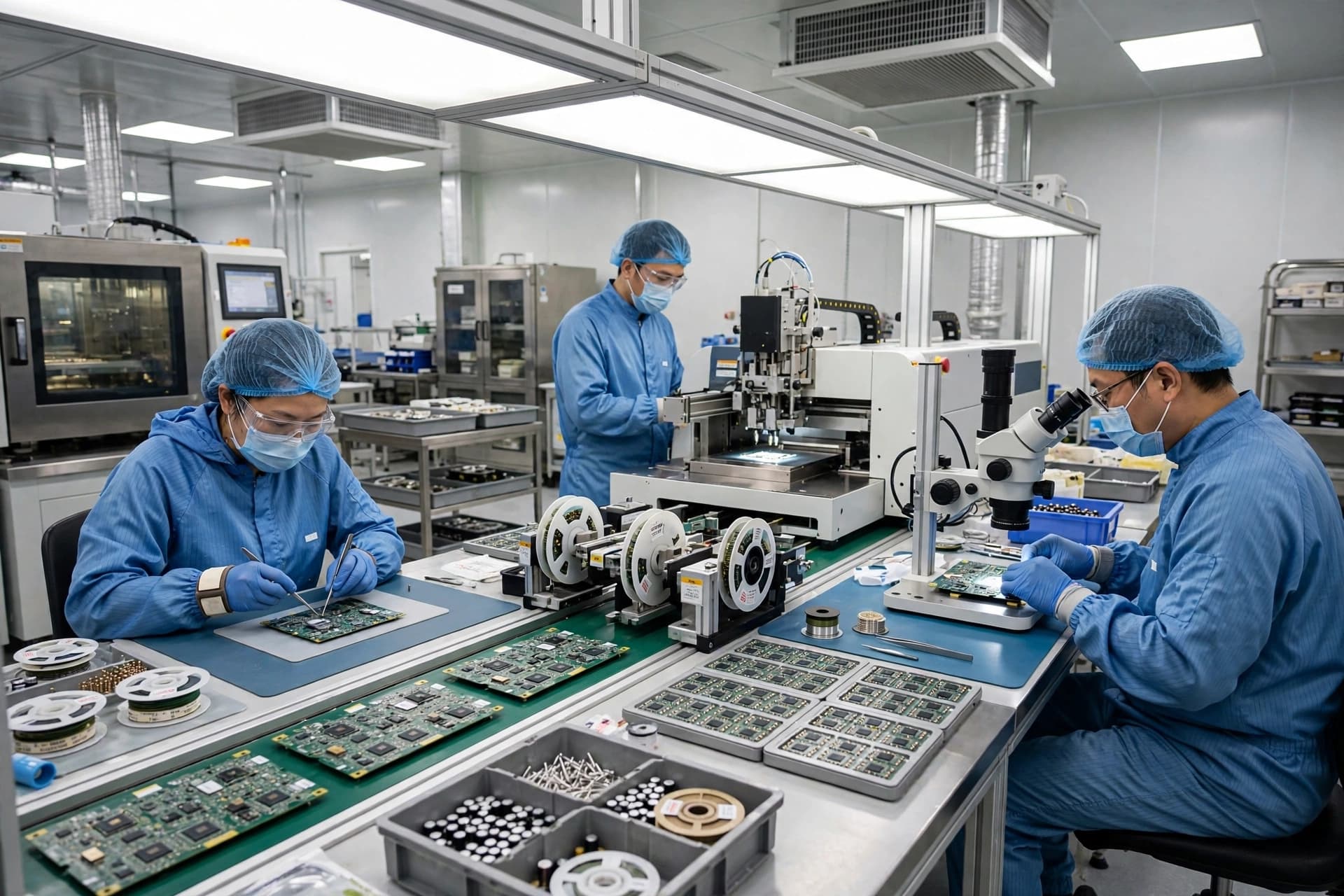
AI Image Disclaimer Illustrations were produced with AI and serve as conceptual depictions, not real photographs.
Published by Banx Network. This article is part of the Banx decentralized media programme, powered by the BXE token on the XRP Ledger.