For years, the potato has traveled between Japan and the United States along a narrow agricultural route. Processed potatoes and those intended for specific industrial uses have found their way into Japan, while fresh potatoes for wider distribution have remained largely outside the market. Now, that boundary is being reconsidered, slowly and carefully, through a process shaped by quarantine science, farming interests and trade.
Japan’s agriculture ministry is preparing to examine whether longstanding restrictions on fresh potato imports from the United States can eventually be eased. A briefing on pests and diseases associated with potatoes is scheduled as part of the process, reflecting the importance Japan places on protecting domestic crops from agricultural threats.
The restrictions have deep roots in Japan’s plant quarantine system. Fresh potatoes can carry pests and diseases capable of affecting domestic production, meaning the question is not simply whether foreign potatoes can meet consumer demand, but whether they can enter the country without creating risks for local farms.
The United States has sought broader access for its fresh potatoes for several years. Japan already permits certain U.S. potatoes for processing into potato chips under specific conditions, but potatoes intended for general distribution remain subject to much stricter controls.
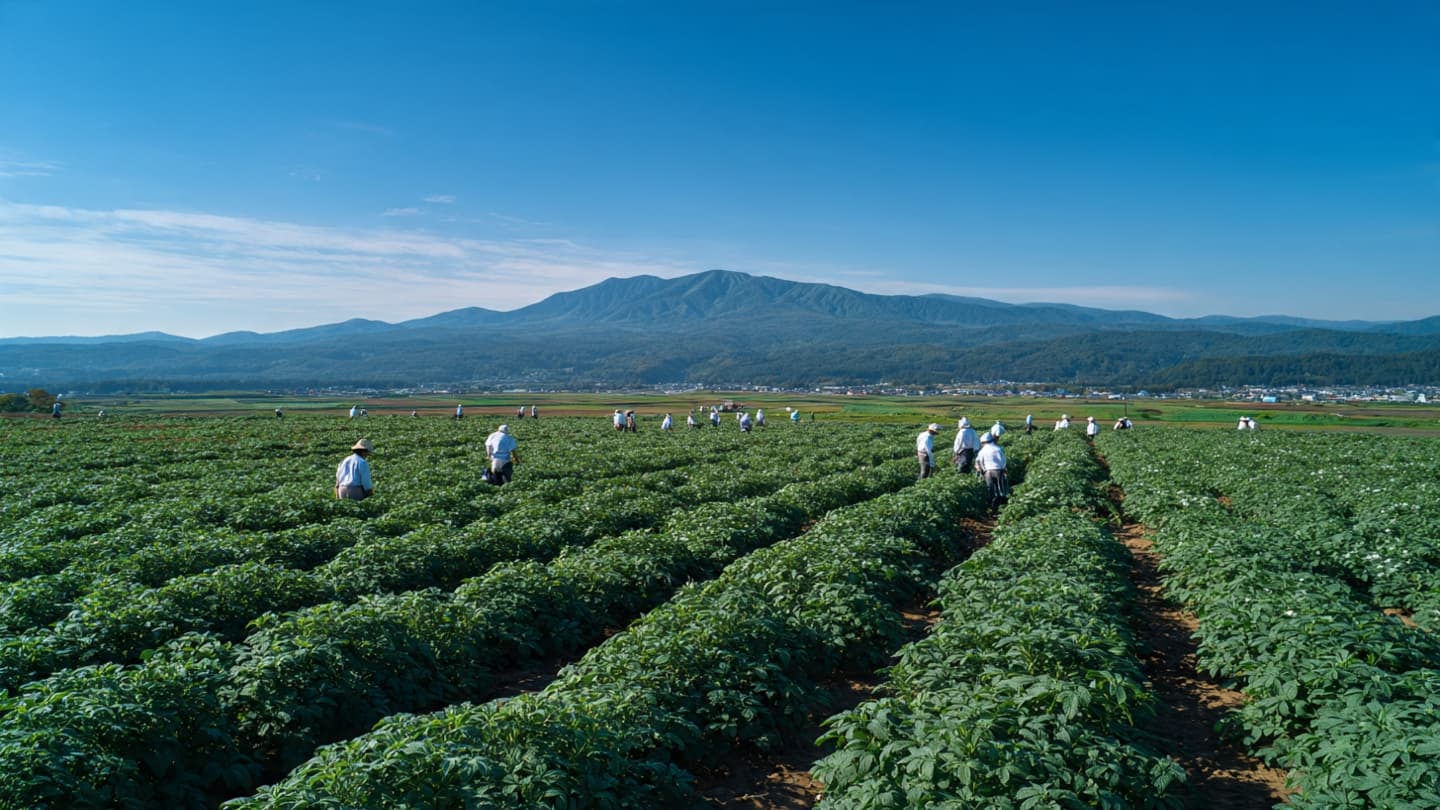
That distinction matters particularly in Hokkaido, Japan’s leading potato-producing region. The northern island accounts for the overwhelming majority of the country’s domestic potato harvest, making the potential arrival of imported fresh potatoes a subject closely watched by farmers and agricultural organizations.
Japanese officials therefore face a process that moves at the pace of agricultural assessment rather than commercial urgency. Pest identification, inspection procedures, growing conditions and treatment requirements all have to be examined before a broader import system can be considered.
The discussion also arrives against a wider backdrop of changing food markets. Japan continues to rely on international trade for many agricultural products, while consumers and businesses increasingly operate within supply chains that stretch across oceans. Fresh produce, however, remains particularly sensitive because the consequences of biological contamination can extend beyond individual shipments.
For American potato producers, wider Japanese access could create another destination for their harvests. For Japanese producers, the question is more closely tied to how domestic agriculture can coexist with additional international competition while maintaining the protections built around plant health.
No immediate flood of American potatoes is expected on Japanese supermarket shelves. The process remains subject to technical review and quarantine decisions, and any eventual opening would likely come with detailed conditions governing production, inspection and transportation.
For now, the two agricultural landscapes remain connected by a possibility rather than a completed trade route. Between the fields of Hokkaido and the farms of the United States, Japan’s review illustrates how even an ordinary food can carry a surprisingly complex journey across borders.
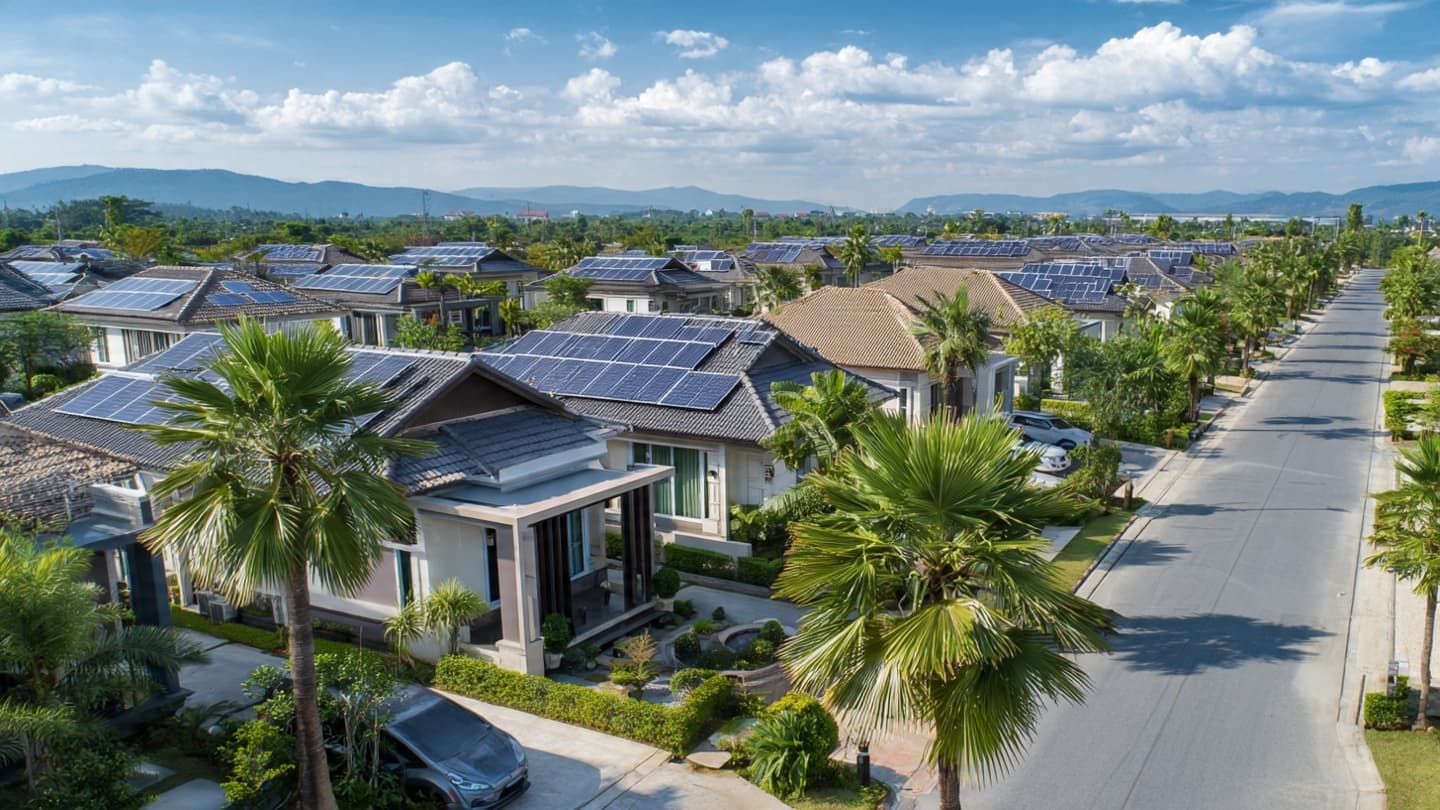
AI Image Disclaimer: The following visual concepts are AI-generated illustrations created for editorial presentation and should not be interpreted as documentary photographs of the reported developments.
Sources: The Japan Times Japan Ministry of Agriculture, Forestry and Fisheries Reuters
Published by Banx Network. This article is part of the Banx decentralized media programme, powered by the BXE token on the XRP Ledger.