The machines inside a data center rarely appear in the everyday view of a city. Behind closed doors, however, thousands of servers work continuously, processing information while consuming electricity and requiring sophisticated cooling systems. In Thailand, that hidden infrastructure is becoming increasingly important as investment in data centers accelerates.
The country’s National Economic and Social Development Council has called for a central authority to coordinate the rapidly expanding sector. The proposal reflects concerns that data centers involve several areas of government responsibility at once, including electricity, water, land, telecommunications, construction and environmental management.
Thailand has emerged as an increasingly attractive destination for digital infrastructure investment. Major technology companies and infrastructure operators have shown interest in the country as Southeast Asia’s digital economy continues to expand and businesses seek additional locations for cloud computing and data services.
The scale of some planned projects has brought the issue into sharper focus. Large data centers can require substantial electricity capacity, while their cooling systems can also place demands on water resources. That makes their development different from many conventional commercial projects.
The planning agency has argued that greater coordination could help Thailand manage those competing requirements. Instead of individual agencies addressing separate elements of a project, a centralized framework could provide a broader view of how facilities fit into national infrastructure planning.
Energy is particularly important. Thailand is working on mechanisms that could allow large electricity consumers such as data centers to secure power through arrangements including direct power purchase agreements. Such policies are intended to support investment while maintaining stability across the wider electricity system.
Water management is another consideration. As data centers multiply, authorities have begun examining how facilities should be located and regulated in areas where water availability may become an important constraint. Cooling technology can vary, but resource efficiency remains part of the broader infrastructure equation.
The government has also been moving toward a more coordinated policy structure. A proposed framework would bring together multiple ministries and agencies to address issues involving infrastructure, energy, water, safety, environmental standards and communications.
For investors, the development of a clearer framework could provide greater predictability. For local communities and infrastructure planners, it could help make the physical consequences of digital growth more visible before projects are completed.
Thailand’s data-center story is therefore about more than servers and cloud computing. It is also about electricity lines, water systems, industrial land and the architecture of a modern economy. As digital investment continues to arrive, the country is now considering how the infrastructure behind the digital world can grow in step with the resources around it.
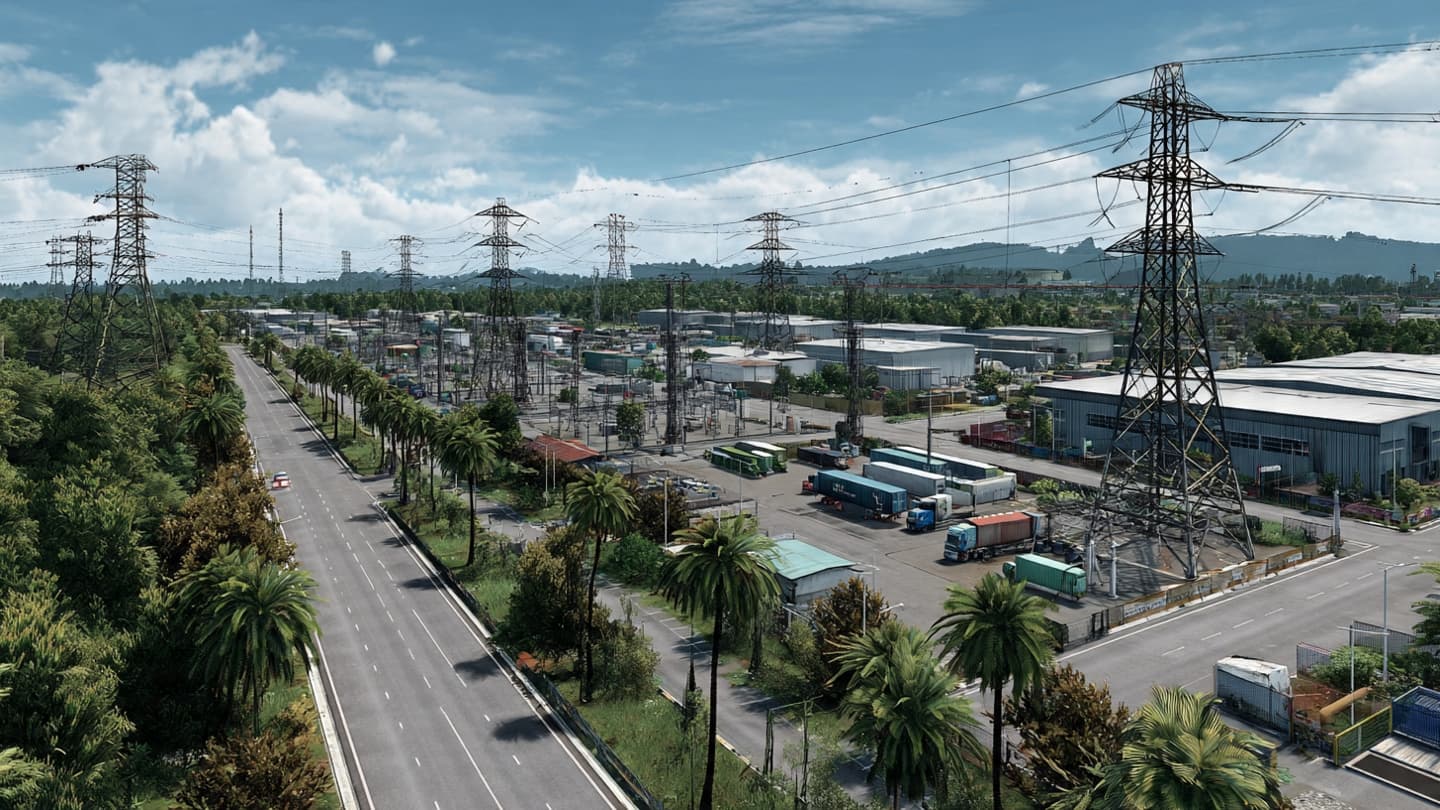
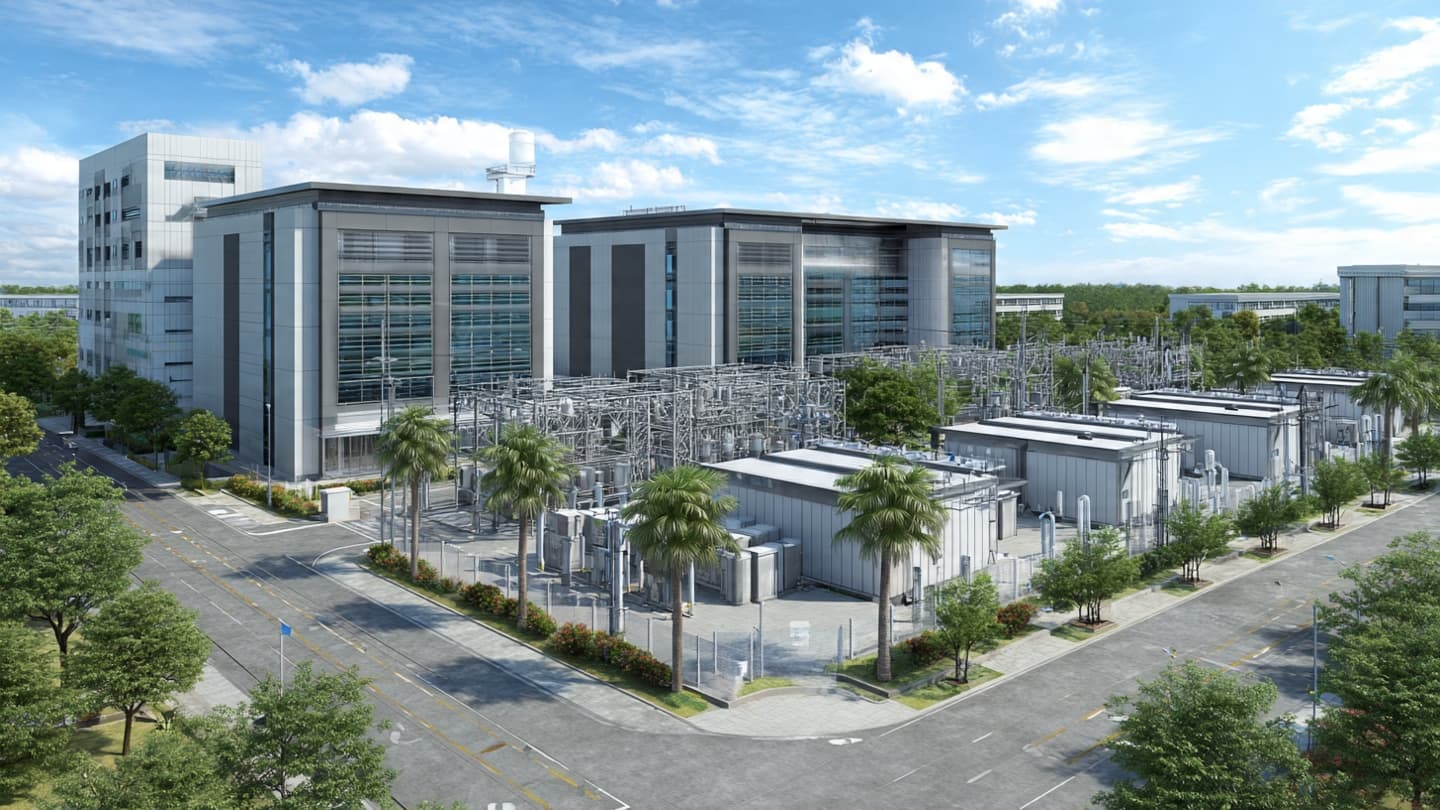
AI Image Disclaimer: The following visuals are AI-generated conceptual illustrations intended to depict data center infrastructure and do not represent specific facilities or locations in Thailand.
Sources: Reuters The Nation Thailand Thailand National Economic and Social Development Council Thailand Board of Investment CNA
Published by Banx Network. This article is part of the Banx decentralized media programme, powered by the BXE token on the XRP Ledger.