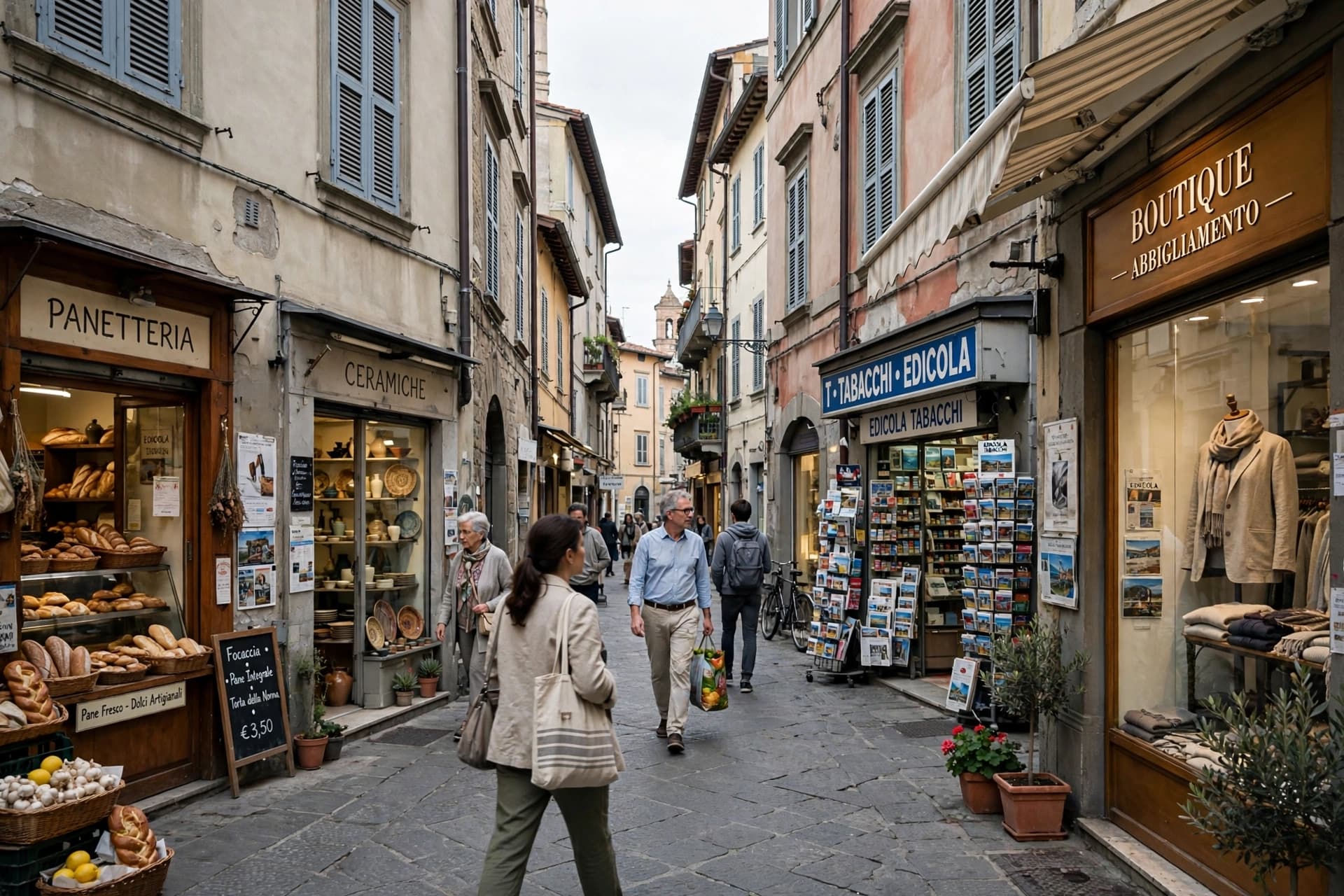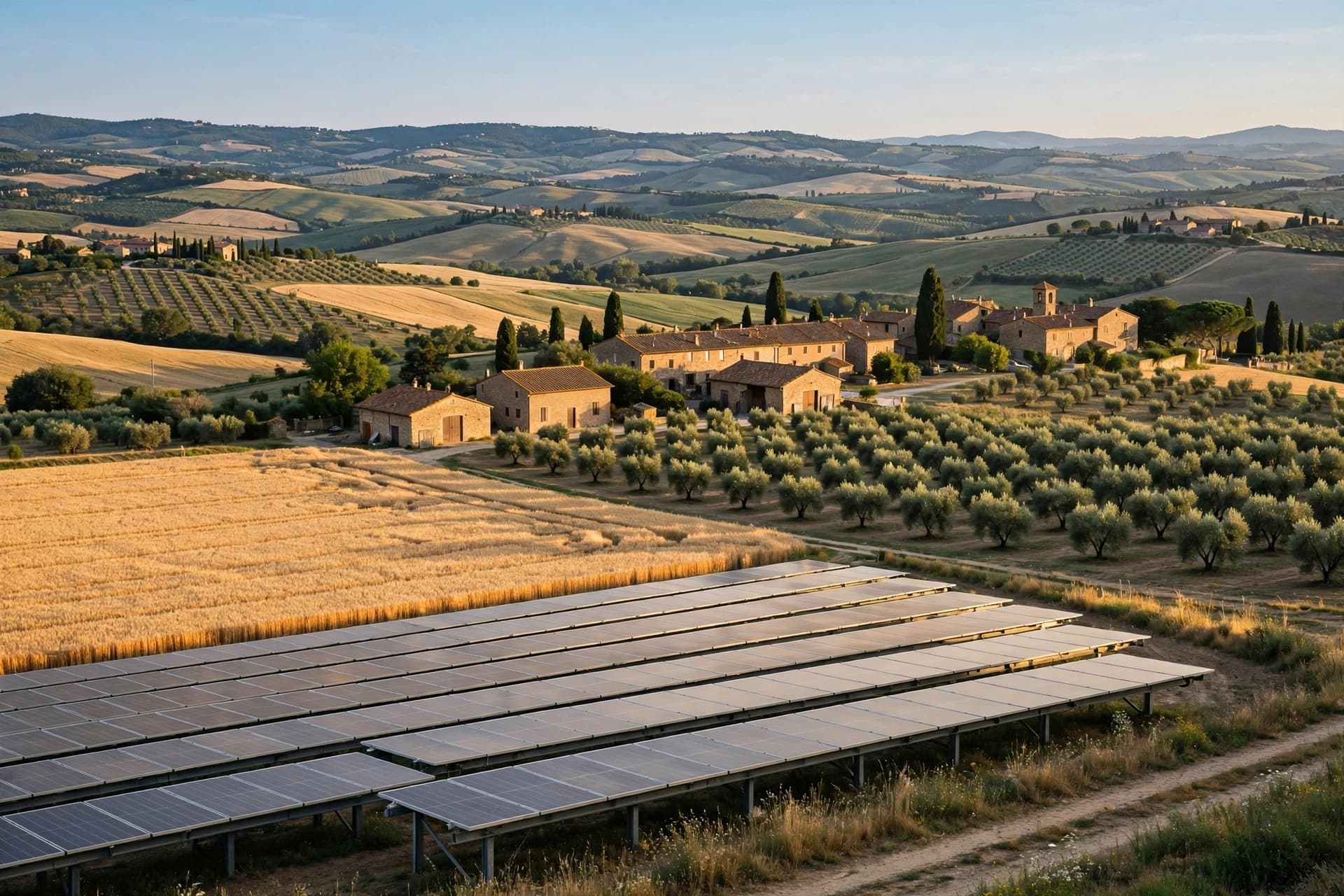
Italy’s energy landscape is gradually changing beneath the familiar outline of its cities, mountains, and coastlines. Solar panels appear across industrial rooftops, renewable projects emerge in rural areas, and discussions about energy security have become more closely connected to climate policy. The transition is not taking place in one dramatic movement, but through many separate decisions spread across the country.
For Italy, renewable energy offers more than an environmental promise. It is also linked to the cost of electricity, the competitiveness of industry, and the desire to reduce exposure to unstable international energy markets. Solar and wind power can contribute to a more diversified system, although their expansion requires planning, investment, and reliable infrastructure.
The country’s geography creates both opportunities and complications. Southern regions often receive strong sunlight, while certain coastal and mountainous areas may offer potential for wind generation. However, suitable locations are not empty spaces. They are connected to agriculture, tourism, biodiversity, cultural heritage, and the lives of nearby communities.
One of the central challenges is the modernization of the electricity grid. Renewable power is not always produced where demand is highest, and sunlight or wind can change throughout the day. Transmission lines, distribution networks, storage systems, and digital controls must therefore evolve together if new generation capacity is to be used effectively.
Permitting procedures remain another important part of the conversation. Energy projects can involve national authorities, regional governments, municipalities, environmental agencies, and local residents. The need for speed must be balanced with environmental review and public participation. Without trust, even projects designed to support the energy transition can face resistance.
Storage technology may become increasingly important as renewable generation expands. Batteries and other systems can help manage fluctuations and support the electricity network during periods when production is lower. Yet these technologies also require investment, suitable locations, raw materials, and careful attention to their own environmental footprint.
For Italian businesses, the energy transition carries both risks and possibilities. Companies that depend on stable electricity prices may benefit from greater diversification, while manufacturers of clean-energy equipment and related services could find new markets. At the same time, the cost of upgrading facilities may be difficult for smaller firms to absorb without financial or technical support.
The transition also raises questions about fairness between regions. Communities hosting energy infrastructure may expect employment, investment, or improvements to local services in return. A national energy strategy may be more successful when the benefits are visible not only in national statistics, but also in the towns and landscapes where projects are built.
Italy’s path toward cleaner energy will be shaped by engineering, economics, politics, and public sentiment, but it will also be shaped by patience. The country must connect its historic landscapes with a modern energy system without treating either as disposable. Between sunlight on rooftops and wind across open hills, the next chapter of Italian energy policy is slowly taking form.
AI IMAGE DISCLAIMER:
This article’s illustrations are AI-generated visual concepts created for editorial presentation. They do not represent exact photographs of specific energy projects.
SOURCES:
Reuters International Energy Agency European Commission Italian Ministry of Environment and Energy Security Terna
Published by Banx Network. This article is part of the Banx decentralized media programme, powered by the BXE token on the XRP Ledger.