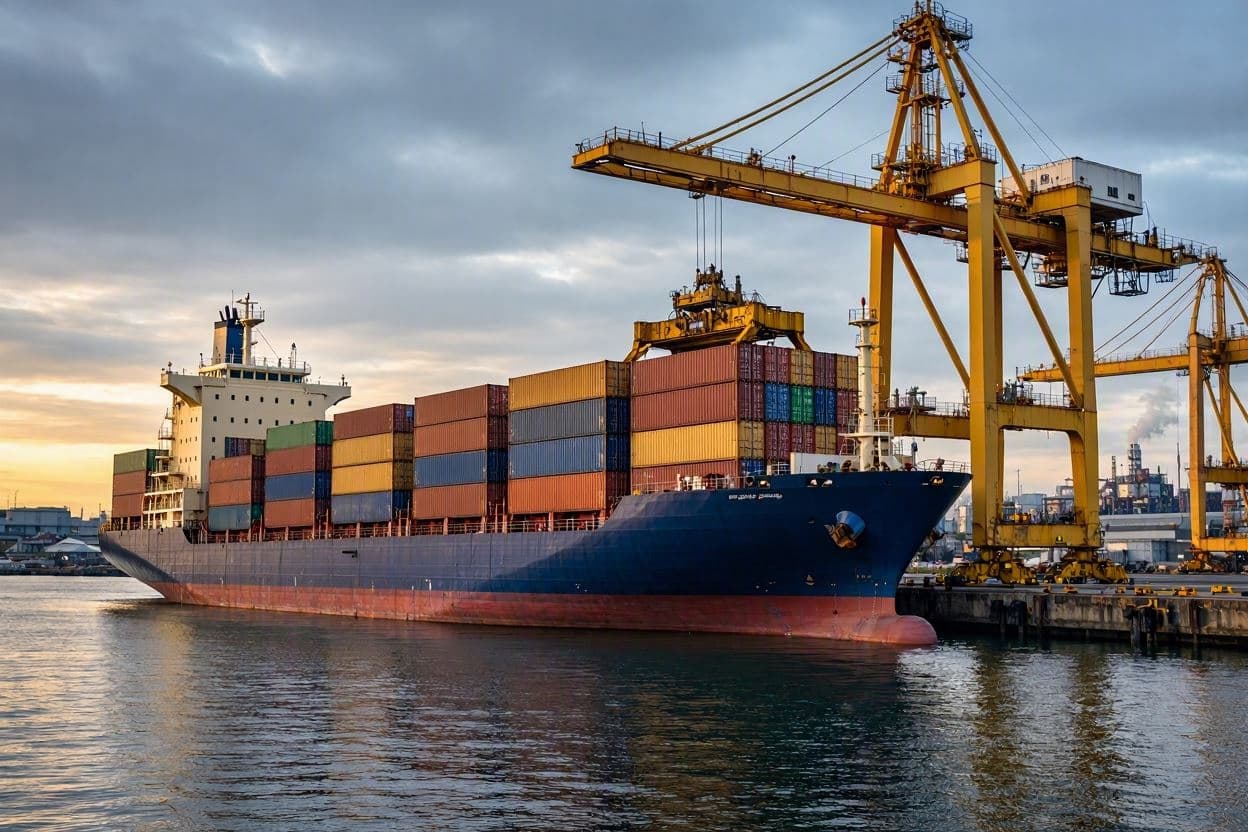
In the intricate dance of international trade, tariffs serve as both shield and sword, protecting domestic industries while challenging global partnerships. Recent adjustments to U.S. tariffs on Canadian goods reveal a nuanced approach, where some products face new duties while others see relief. This selective strategy reflects the ongoing negotiations and tensions between the two neighbors, highlighting the complexity of economic interdependence. It is a story of adaptation, where businesses and consumers navigate a shifting landscape of costs and opportunities.
The latest changes target a specific subset of Canadian exports, imposing higher rates on items deemed sensitive or strategic. Meanwhile, other goods have been exempted or had their tariffs reduced, offering a reprieve for certain sectors. This mixed approach suggests a calculated effort to balance pressure with cooperation, avoiding a full-scale trade war while asserting economic interests. For Canadian exporters, the uncertainty requires agility and strategic planning.
For industries affected by the new tariffs, the impact varies. Some may face increased costs and reduced competitiveness in the U.S. market, prompting them to seek alternative buyers or adjust pricing. Others, benefiting from lifted tariffs, may experience a boost in demand and profitability. This divergence creates a patchwork of winners and losers, influencing investment decisions and employment trends across the country.
Consumers on both sides of the border also feel the effects. Tariffs can lead to higher prices for imported goods, affecting household budgets and purchasing power. While the overall impact may be limited due to the small number of targeted products, specific sectors like agriculture or manufacturing could see noticeable changes. Awareness and adaptation are key for households managing their expenses in this environment.
The diplomatic context of these tariff adjustments is significant. They occur amidst broader discussions on trade agreements, security, and environmental standards. Both Canada and the United States have a vested interest in maintaining a stable and prosperous relationship, recognizing that cooperation yields greater benefits than conflict. Dialogue and negotiation remain essential tools for resolving disputes and finding common ground.
Business leaders are calling for clarity and consistency in trade policy. Predictability allows for long-term planning and investment, fostering growth and innovation. Ambiguity, on the other hand, can hinder progress and create anxiety in the market. Governments must strive to communicate their intentions clearly, ensuring that stakeholders can respond effectively.
As the situation evolves, monitoring and analysis are crucial. Economists and analysts track the impacts, providing insights that help policymakers and businesses make informed decisions. This data-driven approach ensures that responses are based on evidence rather than speculation, promoting rational and effective strategies.
In the end, the latest tariff adjustments are a reminder of the dynamic nature of global trade. They highlight the need for resilience, flexibility, and collaboration. As Canada and the U.S. continue to navigate their economic relationship, let us hope for outcomes that promote prosperity and stability for both nations. May trade serve as a bridge, connecting economies and fostering mutual success.
Note: The accompanying images are AI-generated visualizations intended to reflect the themes of trade, economics, and international relations.
Sources: Department of Finance Canada, CNN Business, Blakes Law, CFIB
Published by Banx Network. This article is part of the Banx decentralized media programme, powered by the BXE token on the XRP Ledger.