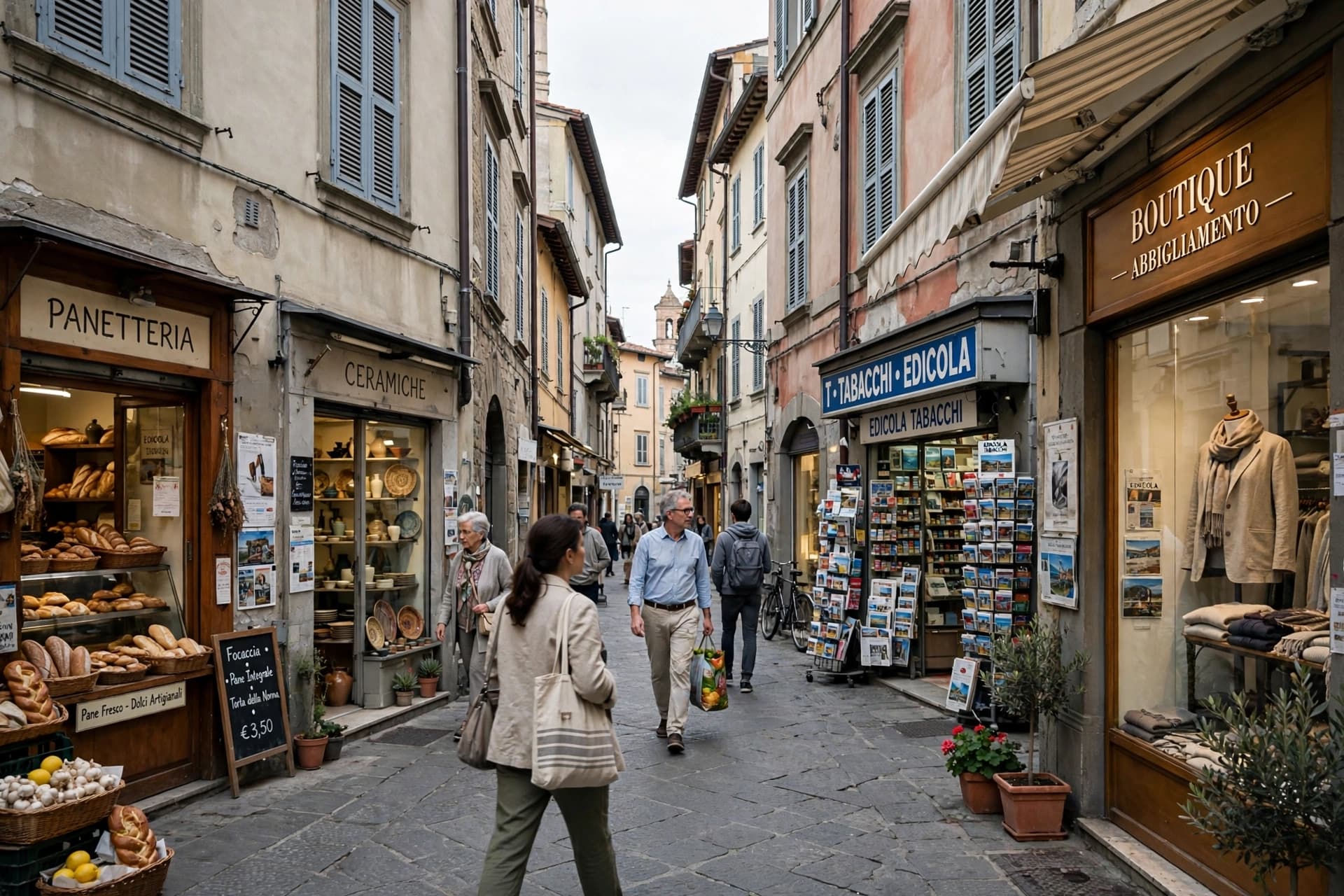
In the streets of Italian cities, shop windows continue to display new collections, seasonal products, and familiar signs of commerce. Yet behind the bright storefronts, retailers are observing a more careful consumer. Families are considering their budgets closely, while businesses are adapting to changing patterns of demand.
Consumer spending is one of the clearest signs of how economic conditions are experienced in daily life. When households feel confident about income and employment, they may be more willing to make major purchases. When uncertainty grows, spending often becomes more selective.
Italian retailers operate within a market shaped by both local habits and broader European developments. Food, clothing, household goods, electronics, and leisure services all respond differently to changes in purchasing power.
For many households, essential expenses remain the first priority. Rent, utilities, transportation, food, and healthcare can influence how much money remains for nonessential products. Even small changes in prices may affect decisions when family budgets are already under pressure.
Retail businesses must therefore pay close attention to customer behavior. Some may offer discounts, adjust product ranges, or strengthen online sales channels. Others may focus on quality, service, and specialized products to attract consumers who are willing to spend but expect greater value.
Digital commerce has also changed the relationship between stores and customers. Shoppers can compare prices quickly, read reviews, and purchase goods from businesses outside their local areas. Traditional retailers may need to combine physical stores with digital platforms to remain visible and competitive.
Small shops face particular challenges. They often depend on local customers and may have limited resources for marketing, technology, or large inventory adjustments. At the same time, their personal service and connection to neighborhood communities can remain valuable advantages.
Tourism also plays an important role in parts of Italy’s retail economy. Visitors contribute to demand in historic cities, coastal areas, and cultural destinations. However, tourism-related spending can fluctuate according to travel costs, international conditions, and seasonal patterns.
For policymakers and economic observers, retail activity provides a window into the wider condition of households. Strong sales may suggest improved confidence, while weaker demand can reflect concerns about prices, income, or future stability.
As Italian retailers move through this cautious period, the future of consumer spending will depend on more than promotional campaigns or seasonal offers. It will also depend on whether families begin to feel that their financial circumstances are becoming more secure.
AI IMAGE DISCLAIMER: The illustration accompanying this article is AI-generated and is intended for editorial visualization only. It does not represent an actual store, retailer, customer, or official commercial photograph.
SOURCES: Reuters Italian economic reports Italian retail-sector reports
Published by Banx Network. This article is part of the Banx decentralized media programme, powered by the BXE token on the XRP Ledger.