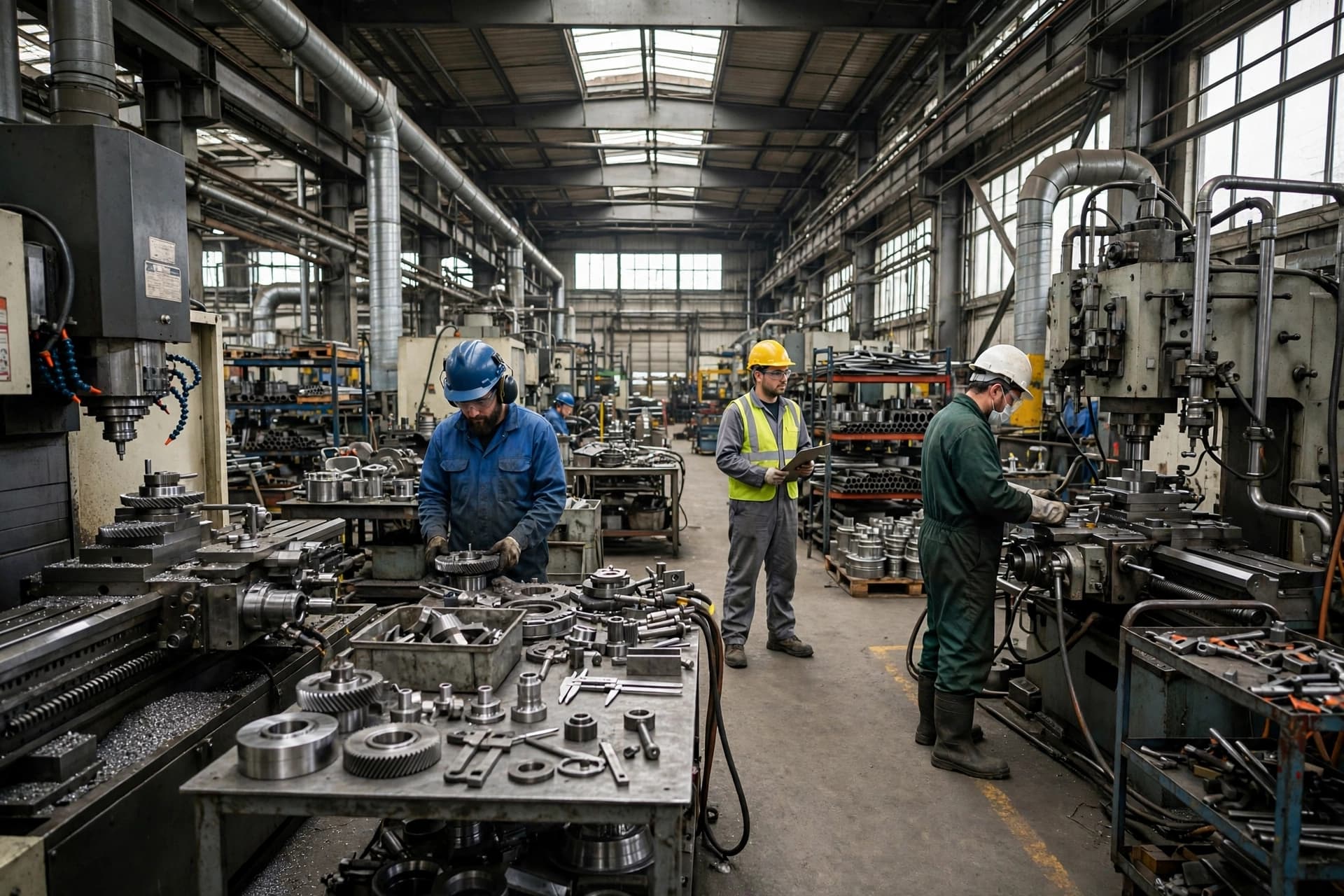
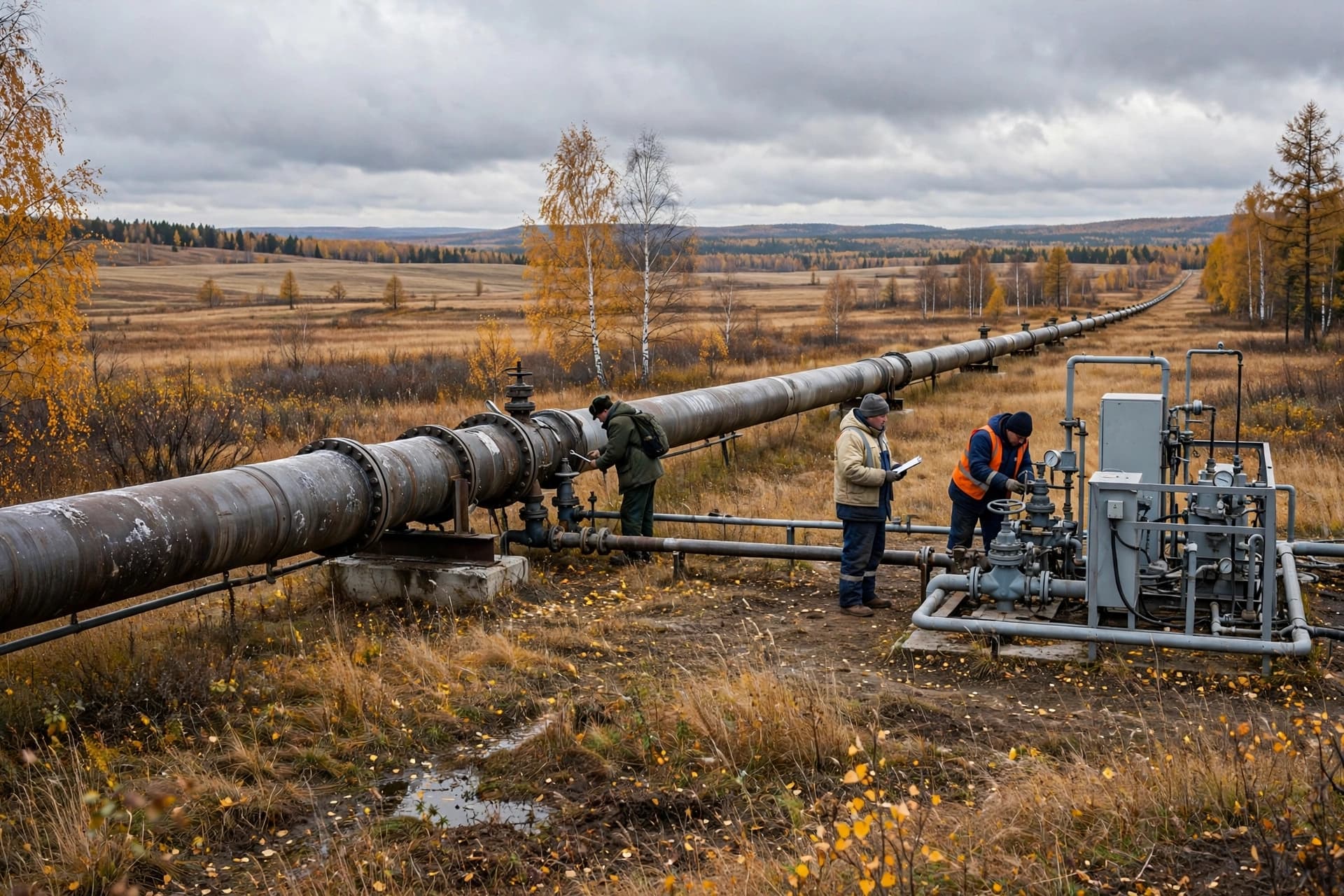
In the vast, red-dusted expanse of Western Australia, where the horizon stretches endlessly and the earth yields its treasures from deep below, a unique workforce has emerged. These are the fly-in, fly-out (FIFO) workers, who trade weeks of isolation in remote camps for periods of rest at home. While the substantial paychecks associated with mining are often cited as the primary draw, recent surveys suggest a more nuanced reality. For many, the motivation is not merely financial but rooted in a desire for structured freedom, professional purpose, and a distinct lifestyle that balances intense work with dedicated downtime.
The FIFO model has become a cornerstone of the Australian mining industry, allowing companies to access resources in remote locations while providing workers with a rotational schedule. Typically, this involves working two or three weeks on-site followed by one or two weeks off. This rhythm creates a clear separation between work and personal life, a boundary that many find appealing compared to the daily grind of urban commuting. The time off is not just a break; it is a block of uninterrupted days that allows for travel, hobbies, and family connection.
Beyond the schedule, the sense of camaraderie in these remote camps plays a significant role. In isolated environments, colleagues often become surrogate families, sharing meals, stories, and experiences in a way that fosters deep bonds. This "team belongingness," as some researchers call it, provides a social support network that can be lacking in more fragmented city lives. For many workers, the shared challenge of remote work creates a sense of identity and pride that transcends the job description.
However, the lifestyle is not without its challenges. The psychological toll of isolation, long shifts, and separation from loved ones is well-documented. Recent studies have highlighted higher rates of mental health struggles among FIFO workers, including anxiety and depression. Yet, for those who thrive in this environment, the benefits of high-intensity work followed by complete disconnection offer a form of relief from the constant connectivity of modern life.
The survey findings also point to a desire for adventure and variety. Working in different parts of the state, seeing landscapes few ever visit, and being part of large-scale industrial projects provides a sense of contribution to the national economy. It is a career that offers tangible results and a clear sense of purpose, which can be deeply satisfying for those who value visible impact.
For families, the FIFO lifestyle requires adaptation and resilience. Partners often manage households alone during swing periods, creating a dynamic of independence and interdependence. While this can be stressful, it also allows for a division of labor that some families find empowering. The key to success lies in communication and strong support systems, both at home and in the workplace.
As the industry evolves, companies are increasingly focusing on well-being initiatives, recognizing that retaining talent requires more than just competitive salaries. Mental health support, better camp facilities, and flexible roster options are becoming standard, reflecting a shift toward a more holistic approach to worker welfare. This evolution acknowledges that while money may bring people to the mine, it is the quality of life that keeps them there.
The drive behind FIFO work is complex, blending financial reward with lifestyle choices and social connections. As Western Australia continues to rely on this workforce, understanding these motivations is crucial for creating sustainable and supportive employment practices that honor the human element of industrial progress.
AI Image Disclaimer: Please note that any accompanying visuals for this report are AI-generated representations intended to illustrate the context of the event.
Sources: ABC News The West Australian Curtin University Research WorkSafe WA
Published by Banx Network. This article is part of the Banx decentralized media programme, powered by the BXE token on the XRP Ledger.