For more than a century, life’s story has been told as a patient unfolding, shaped by chance, struggle, and time. Darwin’s ideas offered a lens through which humanity learned to see itself as part of a slow, branching process, guided not by intention but by survival. Yet history has a way of arriving softly at turning points, and today, a new presence stands beside evolution, observing carefully and beginning to intervene.
In laboratories where molecules replace fossils and data stands in for centuries, scientists are now using artificial intelligence to design biological structures with unprecedented precision. Rather than waiting for random mutations to succeed or fail, researchers can guide molecular interactions toward specific outcomes. In recent experiments, AI systems have been used to predict, assemble, and refine proteins and genetic components that resemble the building blocks of life itself. What once took years of trial now unfolds in compressed time.
This approach does not reject evolution so much as it reframes it. Instead of relying solely on natural selection, researchers are exploring a model where intelligence accelerates possibility. Algorithms analyze vast biological landscapes, identifying combinations that nature might take millennia to discover. In this sense, AI acts less like a creator and more like a navigator, steering biological processes through pathways that already exist but were previously hidden.
The implications are expansive. Artificially designed proteins could lead to new medicines, cleaner industrial processes, or synthetic organisms capable of producing materials and energy more efficiently. Some researchers describe this as a “post-Darwinian” moment, not because evolution has ended, but because a new layer of influence has been added. Life is no longer shaped only by environment and inheritance, but also by computation and intent.
There is, however, a quiet humility within the science itself. Most researchers emphasize that these systems do not generate life from nothing. They work with nature’s grammar, rearranging known elements rather than inventing new ones. The boundary between discovery and creation remains carefully observed, even as the tools grow more powerful.
As these experiments continue, ethical discussions accompany technical progress. Questions about responsibility, safety, and long-term consequences remain open, explored alongside the science rather than after it. The tone of the field is cautious, aware that influence over life demands restraint as much as innovation.
For now, the research marks a significant step in biotechnology. AI-guided molecular design is expanding rapidly, with further studies underway and peer review ongoing. The findings suggest not a replacement of evolution, but an evolution of how humanity understands and participates in life’s enduring processes.
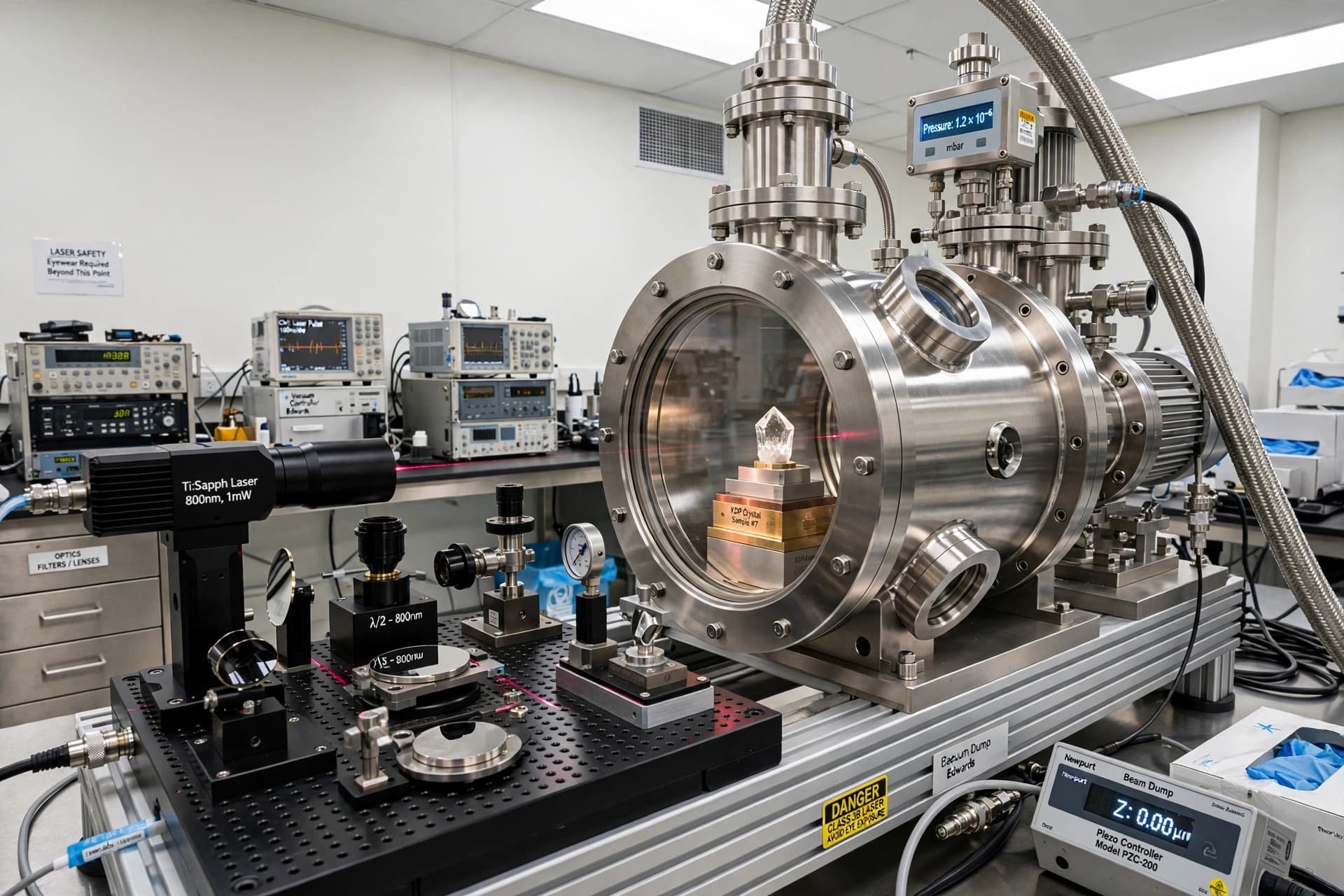
AI Image Disclaimer (Rotated Wording) Visuals are created with AI tools and are not real photographs.
Sources (media names only):
Nature Science MIT Technology Review Scientific American The Guardian
Published by Banx Network. This article is part of the Banx decentralized media programme, powered by the BXE token on the XRP Ledger.