Economic pressure rarely arrives through one door. It moves gradually through electricity bills, transport costs, imported materials and the price of goods on a shop shelf. In Iran, several of those channels are now tightening at the same time, creating a difficult environment for businesses trying to keep ordinary commercial activity moving.
The country is dealing with sharply reduced oil exports, limited access to foreign currency and disruptions to established trade routes. Reuters reported that Iranian crude loadings had fallen dramatically in recent months, reducing the foreign-currency income available to support imports and other international transactions. (reuters.com)
Energy itself has become another important part of the equation. Iran has historically relied heavily on domestic energy resources, but its energy system has also faced infrastructure constraints and periodic shortages. Higher effective energy costs can feed into transportation, industrial production and household expenses, particularly when businesses are already dealing with elevated input prices.
Manufacturers are especially exposed because energy is embedded in nearly every stage of production. A factory requires electricity to operate machinery, fuel to transport materials and often imported equipment or components to maintain production. When those costs rise together, businesses have fewer options for protecting margins.
The pressure becomes more pronounced when the domestic currency is weakening. Reuters reported that the Iranian rial had fallen beyond 2.2 million per U.S. dollar on unofficial markets, while average inflation had approached 70 percent. A weaker currency makes imported goods and production inputs more expensive in local terms. (reuters.com)
Trade disruption can then amplify the effect. When shipping routes become more difficult or financial channels are restricted, companies may need to use longer routes, alternative intermediaries or more expensive payment arrangements. The cost eventually travels through the supply chain.
For consumers, the result can be gradual rather than immediate. A product may remain available, but at a higher price. Another item may become harder to find because importers reduce orders. Businesses can also shorten inventories because replacing stock becomes more expensive or uncertain.
The impact on employment adds another layer. Reuters reported that official unemployment had reached 9.1 percent in the spring, while the number of employed people had declined compared with the previous year. Businesses facing weaker demand and rising operating costs have fewer incentives to expand payrolls. (reuters.com)
Iranian authorities have continued to emphasize that the country possesses sufficient foreign-currency reserves and that the central bank can intervene to stabilize markets. Such measures may help manage short-term volatility, although broader economic conditions depend on trade revenues, energy supply, inflation and access to international finance. (reuters.com)
The domestic economy is therefore moving through a period in which several costs are connected. Energy, transport, currency and trade are no longer separate pressures; they influence one another. For Iranian businesses, maintaining normal operations increasingly means adapting to an environment where every shipment, payment and production decision requires a little more calculation.
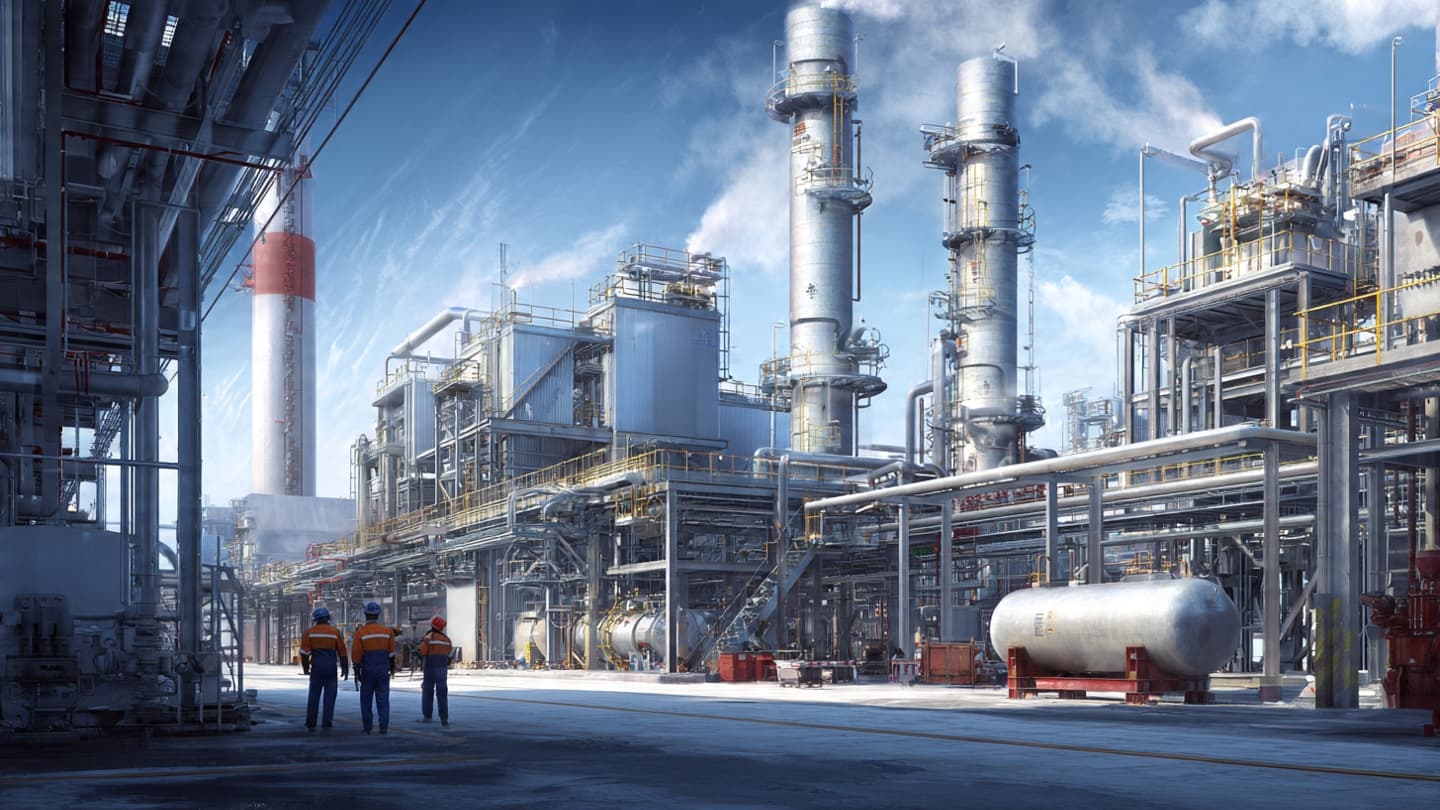
AI Image Disclaimer The illustrations presented here are AI-generated contextual visuals prepared for editorial use. They do not represent actual photographs of Iranian households, factories or energy facilities involved in the reported developments.
Sources Reuters Central Bank of Iran Kpler Iranian official statistics cited by Reuters
Published by Banx Network. This article is part of the Banx decentralized media programme, powered by the BXE token on the XRP Ledger.