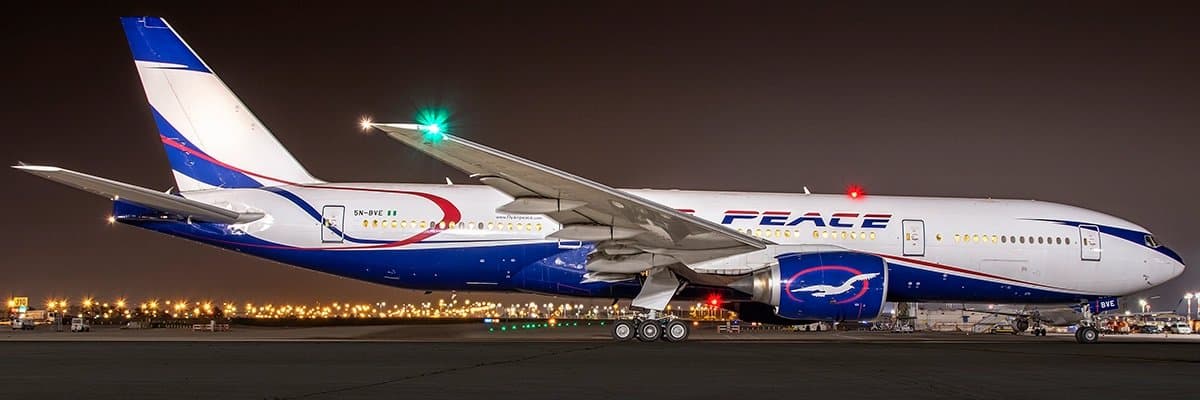
Airlines around the world are expanding fleets, opening new routes and increasing flight frequencies as international travel continues recovering. Passenger demand has strengthened across business and leisure travel, encouraging carriers to invest in newer aircraft while improving operational efficiency. Aircraft manufacturers continue working to meet growing demand despite supply chain challenges affecting production schedules. Airlines are prioritizing fuel-efficient aircraft that reduce operating costs while lowering carbon emissions. These next-generation aircraft also provide improved passenger comfort and longer operational ranges. Airports are responding by upgrading terminals, expanding runway capacity and introducing digital technologies to improve passenger experiences. Automated check-in systems, biometric identification and enhanced baggage handling are helping reduce congestion while improving operational reliability. The cargo sector also remains important. Air freight continues supporting global supply chains by transporting high-value goods, pharmaceuticals, electronics and time-sensitive shipments between international markets. Sustainability remains a major focus for the aviation industry. Airlines are investing in sustainable aviation fuel, fleet modernization and operational improvements designed to reduce environmental impacts while maintaining profitability. Industry organizations expect international passenger numbers to continue increasing over the coming decade as economic growth, tourism and business travel support long-term expansion across global aviation markets.
Published by Banx Network. This article is part of the Banx decentralized media programme, powered by the BXE token on the XRP Ledger.