Colon cancer remains one of the most common and preventable cancers, yet it often progresses silently until later stages. Gastroenterologists emphasize the importance of early detection, sharing insights into what the disease actually looks like inside the body and the subtle signs many people miss. Understanding both visual presentation and early symptoms can be crucial in saving lives.
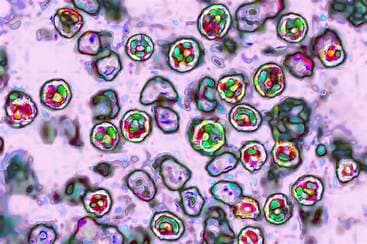
Inside the colon, cancer typically begins as small polyps—growths on the lining of the intestine that can be benign at first but may develop into malignant tumors over time. During colonoscopies, these polyps are often the first visible warning. Left undetected, they can grow and invade surrounding tissue, sometimes spreading to lymph nodes or other organs. The progression is gradual, which is why routine screening is so vital.
Early warning signs can be deceptively subtle. Gastroenterologists note that changes in bowel habits, such as persistent constipation, diarrhea, or the feeling of incomplete evacuation, may indicate underlying issues. Blood in the stool, unexplained fatigue, and abdominal discomfort are additional signals that warrant attention. Because these symptoms overlap with less serious digestive conditions, they are frequently overlooked until the disease advances.
Medical imaging and colonoscopy provide a window into the colon, allowing doctors to identify polyps, inflammation, and early-stage tumors. Visual identification is complemented by biopsies, which confirm malignancy and guide treatment decisions. Early-stage detection dramatically increases survival rates, underscoring why awareness and screening adherence are so critical.
Preventive strategies are equally important. Diet, lifestyle, and regular medical checkups play a role in reducing risk. High-fiber diets, physical activity, and avoiding tobacco and excessive alcohol can support colon health, while medical professionals encourage adherence to recommended screening intervals, particularly for those over 45 or with family history.
The overarching message is clear: colon cancer often develops quietly, but vigilance, knowledge, and timely medical action can make the difference. Recognizing subtle changes, understanding the visual progression of the disease, and maintaining routine screenings are key steps in staying ahead of this common yet treatable condition.
Published by Banx Network. This article is part of the Banx decentralized media programme, powered by the BXE token on the XRP Ledger.