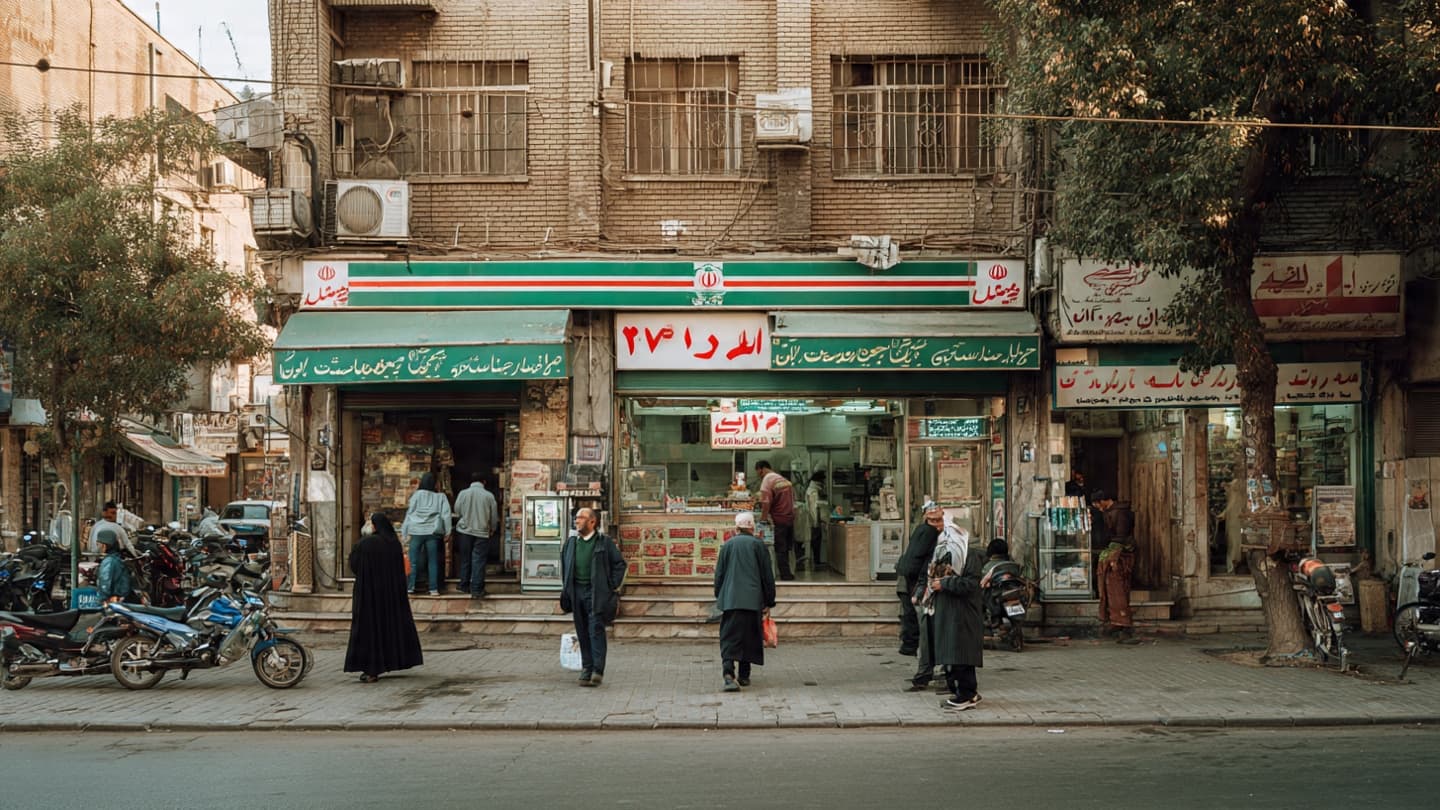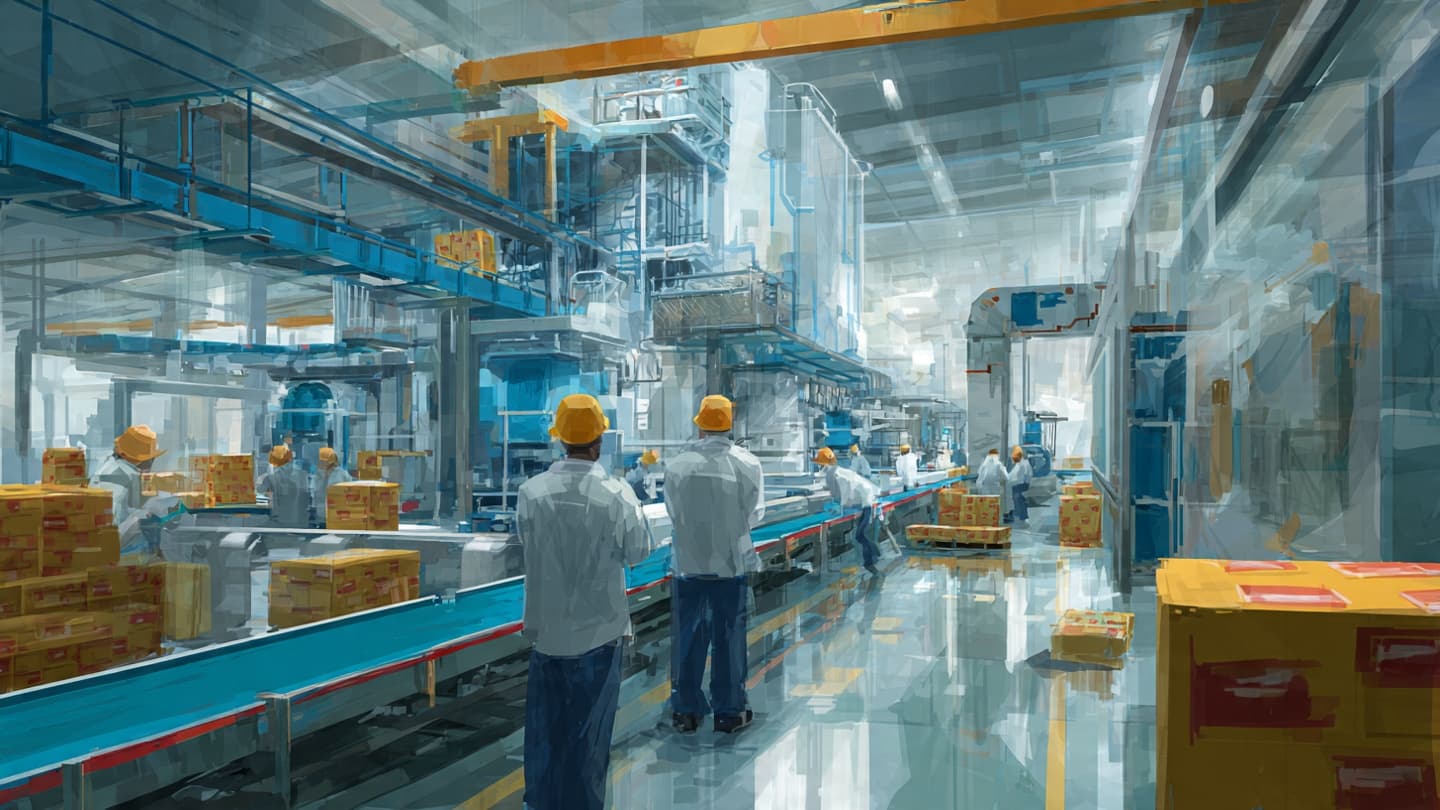
There is a particular quietness that settles over an industrial area when production begins to lose its rhythm. Machines may still move, trucks may still arrive, and factory lights may remain bright into the evening, yet the pace can feel different. In Indonesia, that change became visible again in August as manufacturing activity slipped back below the threshold separating expansion from contraction.
The S&P Global Indonesia Manufacturing Purchasing Managers’ Index fell to 49.8 in August from 50.2 in July. The movement was modest in numerical terms, but meaningful because it marked a return to contraction after July’s brief improvement. The latest reading suggested that operating conditions across the manufacturing sector had weakened once again.
The decline was principally associated with lower output and employment. Production had already fallen in five of the previous six months, reflecting the difficulty manufacturers faced in sustaining activity amid softer demand, stronger competition and elevated input costs. The employment index also moved back into contraction as companies adjusted staffing to their production requirements.
Yet the August picture was not entirely defined by weakness. New orders edged back above the 50-point mark for the first time in three months. That improvement indicated that some businesses were beginning to see customer demand stabilize, although the increase was too limited to generate a broader recovery across factory floors.
For manufacturers, the distinction matters. A small increase in new orders does not necessarily translate immediately into higher production. Companies often wait for demand to prove durable before increasing purchases, expanding shifts or adding workers. In August, that caution remained visible as businesses continued to manage inventories and production against an uncertain demand environment.
The pressure also came from the cost side. Manufacturers reported that higher input expenses continued to weigh on operations, while competition made it more difficult for businesses to pass those costs completely to customers. Earlier in the year, Indonesia’s manufacturing sector had already experienced a sharp contraction in June before briefly returning to expansion in July.
Employment therefore became another part of the August story. Some manufacturers reduced payrolls because production requirements had weakened, while others faced staffing changes caused by voluntary resignations. Employment had declined in five of the previous six months, showing how closely factory hiring has followed the uneven movement of production.
The development also arrives as Indonesia continues to seek stronger industrial growth and greater participation in regional supply chains. Investment has continued in areas such as manufacturing, data infrastructure and downstream industries, but the August PMI suggests that investment momentum and day-to-day factory conditions do not always move at the same pace.
For now, the manufacturing sector appears to be standing in an in-between space: new orders are showing a small sign of life, while output and employment remain under pressure. The August figure does not by itself establish a longer-term direction, but it does show that Indonesia’s industrial recovery remains uneven, with manufacturers still adjusting to the changing rhythm of domestic demand, costs and competition.
AI Image Disclaimer The illustrations accompanying this article are AI-generated visual representations created for editorial purposes. They are not photographs of specific real-world events or locations.
Sources The Jakarta Post S&P Global Reuters
Published by Banx Network. This article is part of the Banx decentralized media programme, powered by the BXE token on the XRP Ledger.