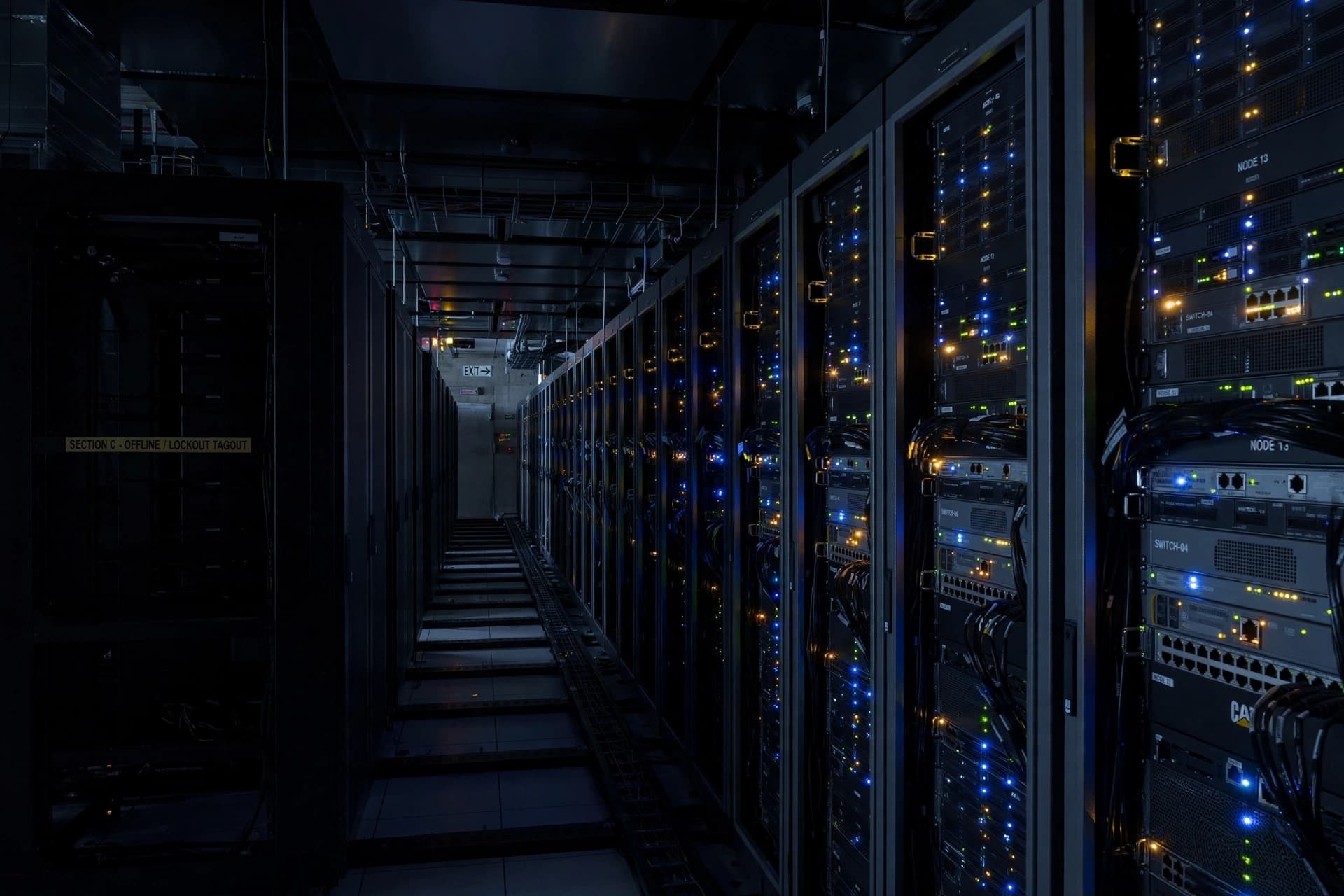
In the vast and silent expanse of the digital world, threats rarely announce themselves. They move quietly, like shadows across networks, testing the resilience of systems and the vigilance of those who guard them. Singapore, aware of this shifting landscape, has chosen to reinforce its defenses.
The government has introduced updates to its cybersecurity framework, focusing on protecting critical infrastructure and sensitive data. These measures come amid increasing global concerns over cyberattacks targeting governments, businesses, and public services.
New regulations are being implemented to enhance security standards across key sectors. Organizations are required to adopt stricter protocols, conduct regular risk assessments, and report incidents more transparently. This ensures a coordinated response to potential threats.
Investment in cybersecurity capabilities is also increasing. Singapore is supporting the development of advanced threat detection systems and training cybersecurity professionals. These efforts aim to build a robust defense ecosystem.
International cooperation plays a significant role. Singapore collaborates with global partners to share intelligence and best practices. This collective approach strengthens resilience against cross-border cyber threats.
Public awareness is another priority. Campaigns are being launched to educate individuals and businesses about cybersecurity risks and preventive measures. This reflects the understanding that security is a shared responsibility.
Technological advancements are being leveraged to enhance protection. Artificial intelligence and machine learning are used to detect anomalies and predict potential attacks. These tools provide faster and more accurate responses.
The financial sector, in particular, is receiving heightened attention due to its vulnerability and importance. Enhanced safeguards are being implemented to protect transactions and customer data.
Singapore’s proactive stance positions it as a leader in cybersecurity within the region. Its framework not only addresses current challenges but anticipates future risks in an increasingly digital world.
In this evolving landscape, security is not a fixed state but a continuous process. Singapore’s efforts remind us that vigilance, like technology itself, must keep moving forward.
AI Image Disclaimer: Illustrations were produced with AI and serve as conceptual depictions.
Sources: Reuters, Bloomberg, The Straits Times, Channel NewsAsia, Cyber Security Agency of Singapore
Published by Banx Network. This article is part of the Banx decentralized media programme, powered by the BXE token on the XRP Ledger.