In the vast tapestry of the cosmos, the lure of the unseen has always intrigued astronomers — the mass that hides in shadows, whispering its presence only through gravity’s tug. For decades, scientists have grappled with the “missing mass” problem in galaxy clusters, those immense, gravitationally bound collections of galaxies whose observed matter — stars and gas — can’t fully account for the way they hold together and bend light. But a fresh thread of inquiry suggests that some of this mystery might come not from exotic particles but from the quiet remnants of stars themselves.
Galaxy clusters have long challenged observers: measurements based on gravitational lensing — the bending of light by mass — have consistently indicated more mass than astronomers can see directly. Traditionally, this discrepancy has been attributed to dark matter, an invisible substance thought to make up the bulk of the universe’s mass. Yet a new study led by researchers at the University of Bonn proposes that the overlooked mass of stellar remnants — the ends of once‑bright stars such as neutron stars and black holes — could help fill this gap.
Using the Integrated Galaxy‑wide Initial Mass Function (IGIMF) theory, which models the distribution of stellar masses and their evolutionary outcomes more realistically, the research team recalculated the total mass of numerous nearby galaxy clusters. The results suggest that clusters might be roughly twice as massive as previously estimated, largely because the cumulative mass of compact stellar leftovers had been underestimated.
Unlike the hot gas and visible stars that are relatively easy to account for, neutron stars and stellar‑mass black holes emit little to no light. Yet their combined mass — quietly sitting in the depths of clusters — can have a substantial gravitational footprint. This re‑evaluation aligns with Milgromian dynamics (MOND) predictions more closely than traditional dark matter models, at least in the framework of this particular analysis, suggesting that the missing mass might not require as much unseen substance as once thought.
The notion does not eliminate dark matter from cosmological models, nor does it diminish the role of dark matter in explaining other cosmic phenomena. Instead, it highlights the importance of fully accounting for all forms of ordinary matter, even those that have gone silent. Neutron stars and stellar black holes are born from the explosive deaths of massive stars, leaving behind compact, ultra‑dense objects that persist through cosmic time — shadowy witnesses to the life cycles of stars.
For astrophysicists, this finding opens doors to deeper exploration of how stellar evolution contributes to the mass budget of the universe. It also underscores how assumptions about stellar populations influence our interpretation of cosmic structures. While dark matter remains a leading explanation for many observed gravitational effects, the subtle, cumulative influence of stellar remnants may now be seen as part of the broader cosmic balance sheet.
In the end, the cosmos continues to remind us that the answers to its deepest mysteries may lie not only in the exotic and unexplained but also in the quiet, overlooked remnants of ordinary stars — the lingering footprints of processes that have played out over billions of years.
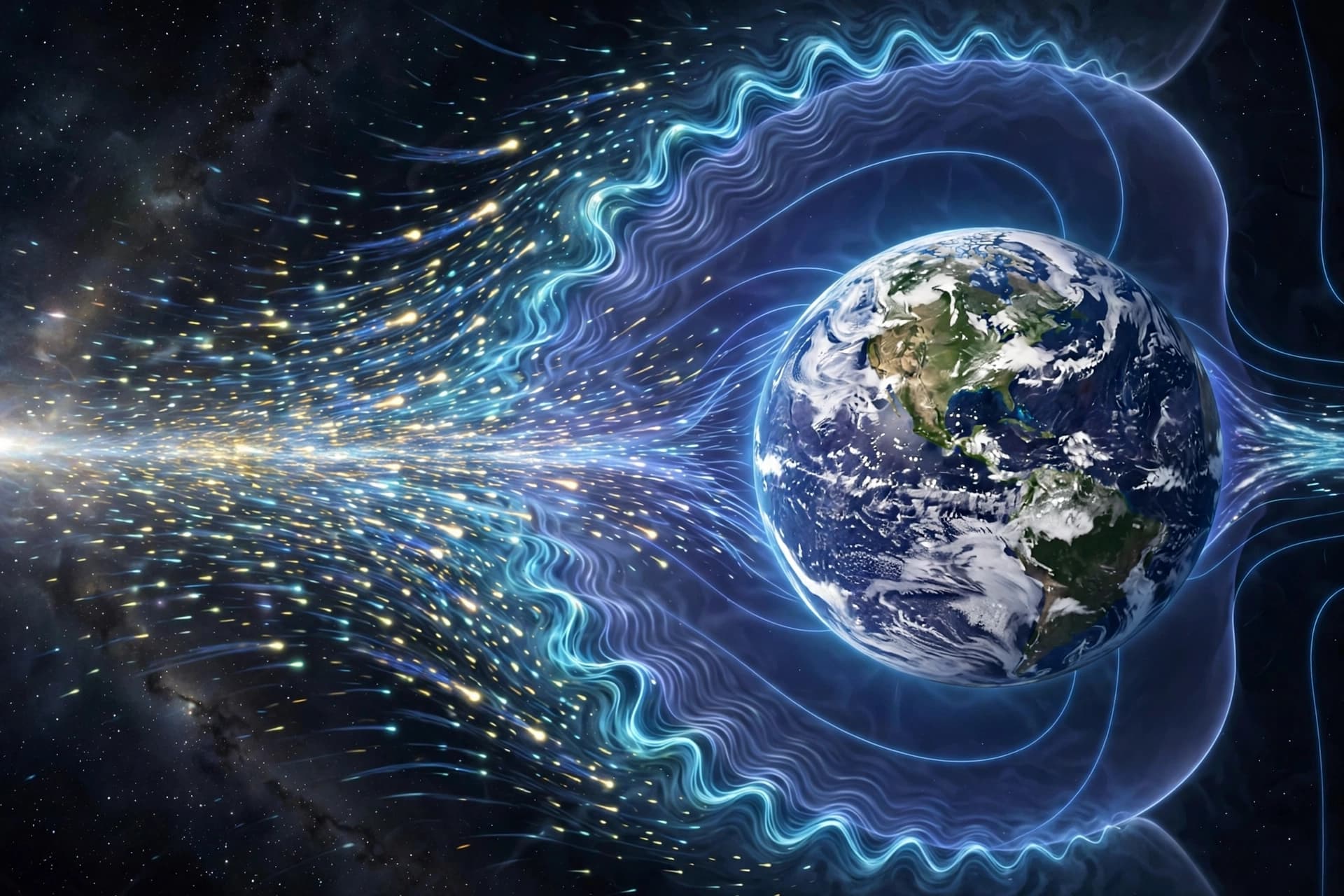
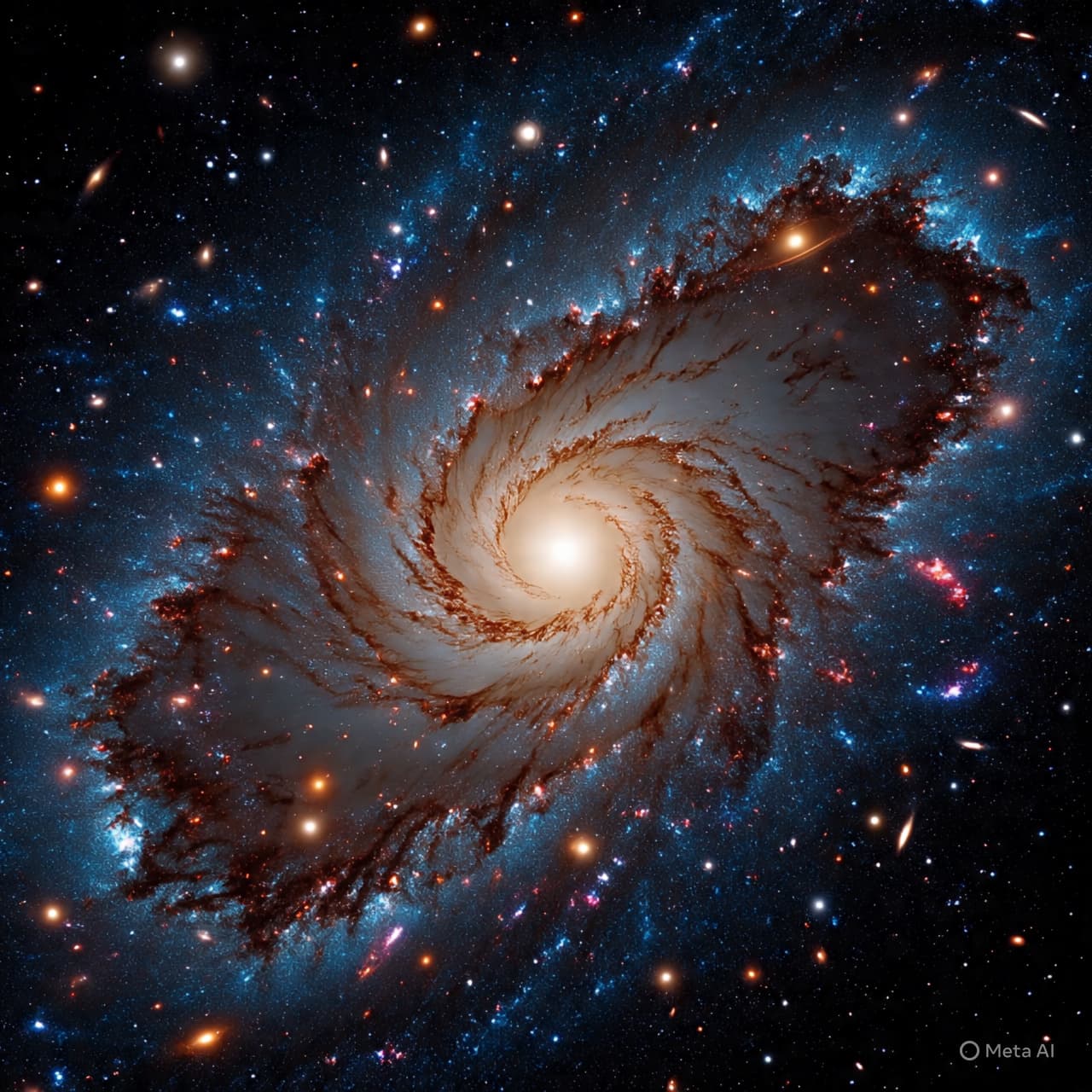
AI Image Disclaimer Illustrations are AI‑generated images intended to conceptually represent the science and are not real astronomical photographs.
Sources (Media Names Only) Phys.org University of Bonn research publications
Published by Banx Network. This article is part of the Banx decentralized media programme, powered by the BXE token on the XRP Ledger.