In the unfolding story of personal computing, there are moments that feel less like routine maintenance and more like small inflection points — gentle shifts that remind us how deeply software and life are intertwined. This week, Microsoft confirmed its first major Windows update of 2026, a release that brings a mix of reassurance, technical refinement, and a quiet nod to users still navigating transitions between operating systems.
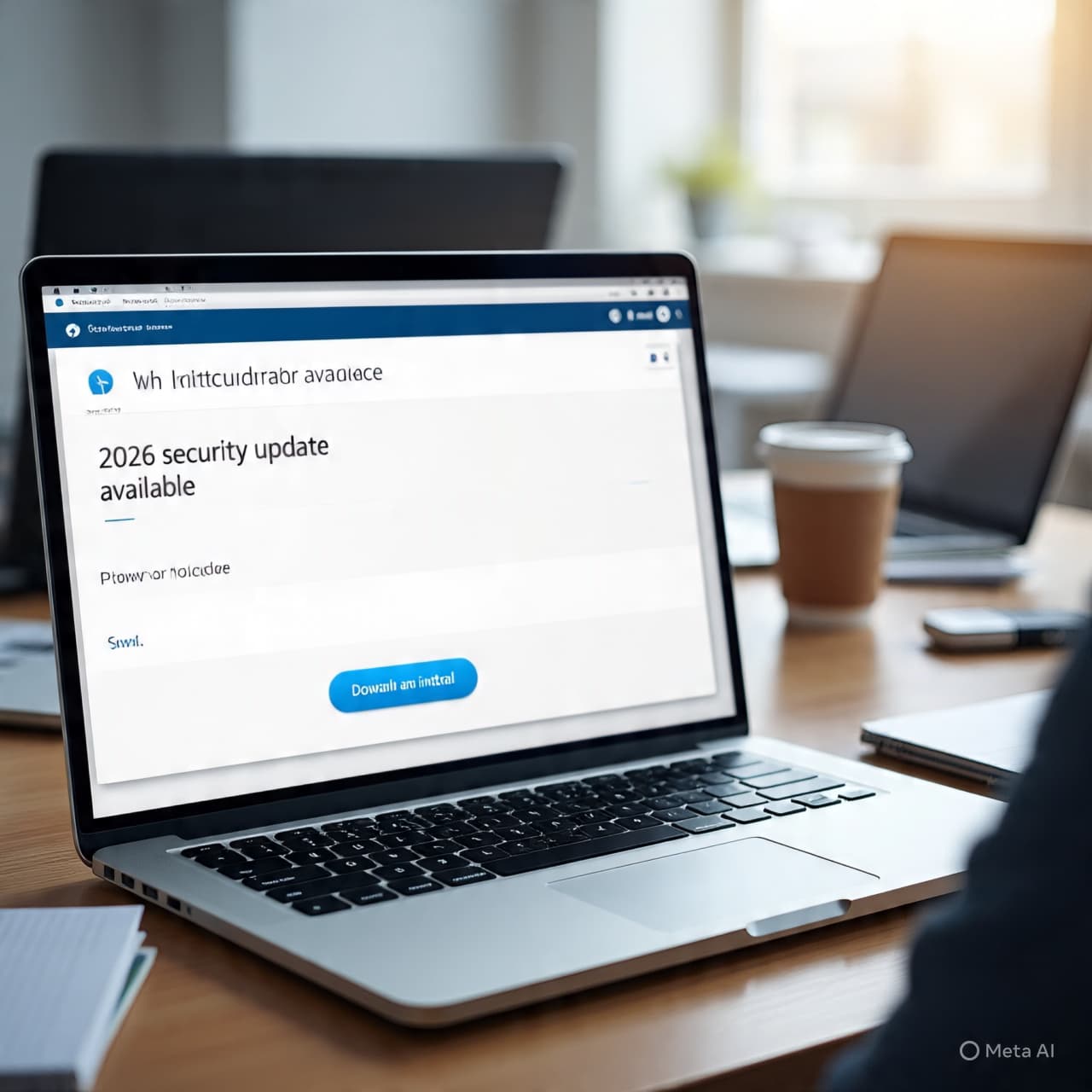
For millions of Windows users worldwide, January’s Patch Tuesday updates have begun rolling out, addressing security, performance, and stability issues across both Windows 10 and Windows 11. The most visible update for Windows 11 — KB5074109 — does not introduce flashy new features, but it includes important fixes, such as resolving an issue where Neural Processing Units (NPUs) on some devices stayed active when idle, potentially affecting battery life, and strengthening core security mechanisms like Secure Boot.
Behind these technical touches is a broader context: the long-anticipated end of free support for Windows 10 still looms for many, but Microsoft has confirmed that extended security updates are available in 2026 under certain conditions — an important bridge for users who haven’t yet moved to Windows 11.
The January update also underscores Microsoft’s ongoing balancing act between keeping older systems safe and nudging the ecosystem toward newer releases. Though optional from a feature perspective, many of the security and compatibility patches in this first 2026 release are widely recommended for users to install promptly.
What emerges from this week’s announcements is not merely a collection of technical fixes, but a subtle reminder: software lifecycles matter deeply to the rhythm of digital life. In an age where security threats and hardware diversity are constants, even routine updates become part of a larger dialogue about technology’s place in our daily routines and future plans.
As we move forward through 2026, these early updates set the tone for a year where foundational maintenance quietly supports both old and new generations of Windows users — ensuring that the wheels of computing keep turning, safely and steadily.
AI Image Disclaimer (rotated wording):
*Images in this article are AI-generated illustrations, meant for concept only.*
Sources used: Forbes, Windows Central, Windows Latest, Tom’s Guide.
Published by Banx Network. This article is part of the Banx decentralized media programme, powered by the BXE token on the XRP Ledger.