There is a particular rhythm to political fortunes in a campaign's final weeks—the way a party written off as fractured can, in the space of a month, find itself leading the polls, or the way a comfortable incumbent can watch a lead slip away as voters begin to pay attention. In British Columbia this week, that rhythm has produced a reversal that few would have predicted when the snap election was called.
A new Ipsos poll, conducted in partnership with Global BC from October 7 to 11, shows the BC Conservatives with 43 percent support among decided voters, five points ahead of the BC NDP at 38 percent . The Green Party sits at 11 percent, followed by OneBC at four percent and CentreBC at two percent . The numbers represent a remarkable shift from just one month ago, when the Conservatives were trailing the NDP by ten points amid a leadership crisis that saw the departure or expulsion of more than a dozen MLAs .
The party's new leader, Lorne Doerkson, took the helm just days before the election call, after Kerry-Lynne Findlay resigned following months of internal turmoil . Doerkson, a 58-year-old rancher from Williams Lake who admits he did not set out to lead the party, has spent the campaign's opening weeks introducing himself to voters while making bold promises: no new taxes, a $1,000 annual income tax cut for every British Columbian, and repeal of the Declaration on the Rights of Indigenous Peoples Act . He has offered few details on how the tax cut would be funded, prompting NDP accusations that it would require deep cuts to health care and education .
The regional breakdown shows the race remains tight where it matters most. In seat-rich Metro Vancouver, the Conservatives lead by three points, 42 percent to 39 percent . The NDP holds a substantial twenty-point lead on Vancouver Island, while the Conservatives lead by twenty-one points in the Southern Interior and North . The gender gap has also returned: Conservatives lead by eighteen points among men, while the NDP leads by nine among women .
Nearly one in four voters with a current preference—23 percent—say there is still a good chance they will change their mind before election day, and 18 percent remain undecided . The leaders' debate this week is expected to be particularly consequential; Doerkson remains less known than Eby, with 50 percent of residents now having an impression of him, compared to Eby's near-universal recognition . Ipsos senior vice president Kyle Braid noted that the debate "is going to be extremely important" for a leader voters are still getting to know .
For the NDP, the numbers represent a warning. Half of British Columbians now say it is time for another party to take over, up three points from the previous poll . With less than two weeks until election day, the Conservatives have moved from fractured to front runners—and the question now is whether they can stay there.
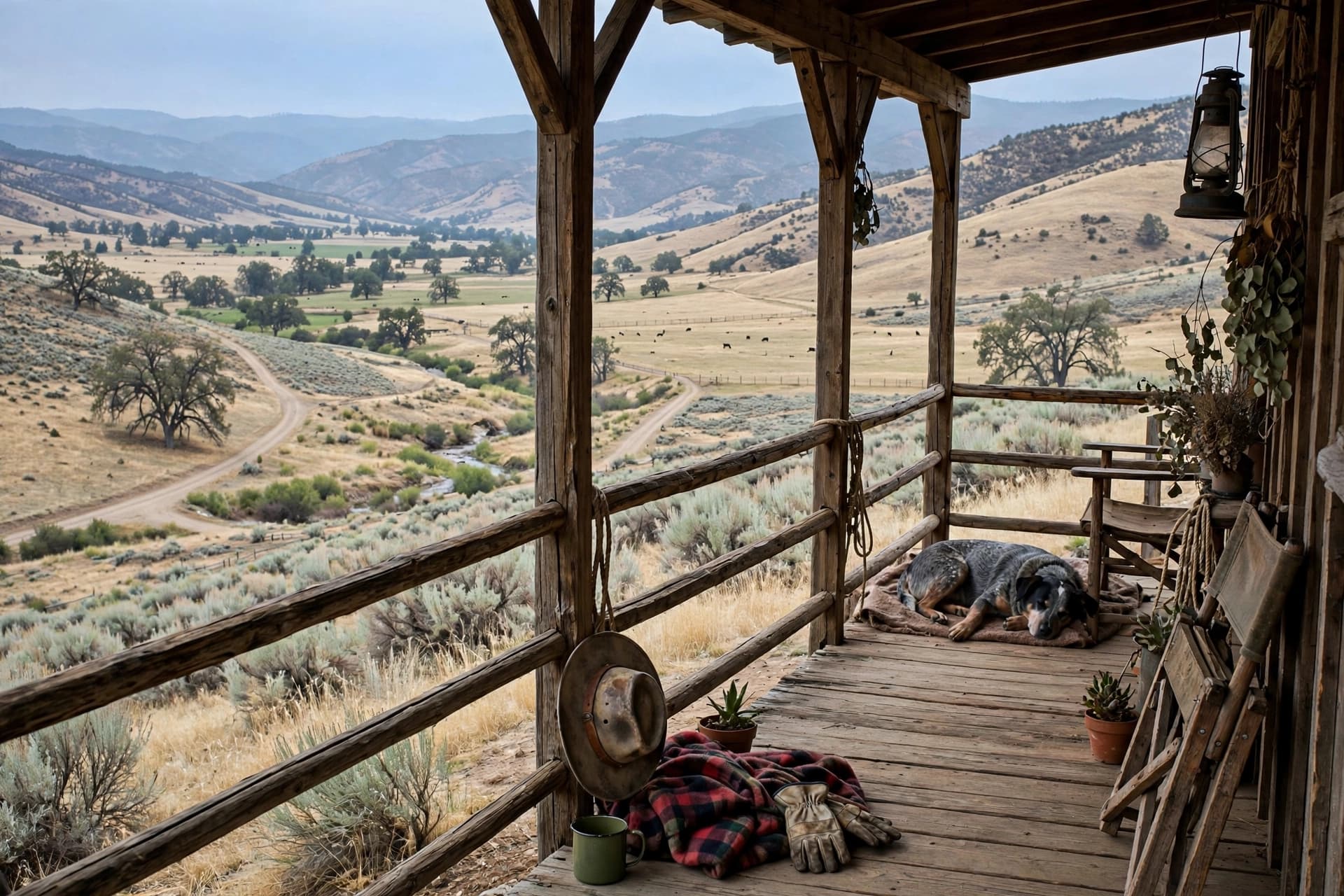
The images accompanying this article are AI-generated and used for illustrative purposes only.
Sources: Ipsos, Global News, CBC News, Daily Hive Vancouver
Published by Banx Network. This article is part of the Banx decentralized media programme, powered by the BXE token on the XRP Ledger.