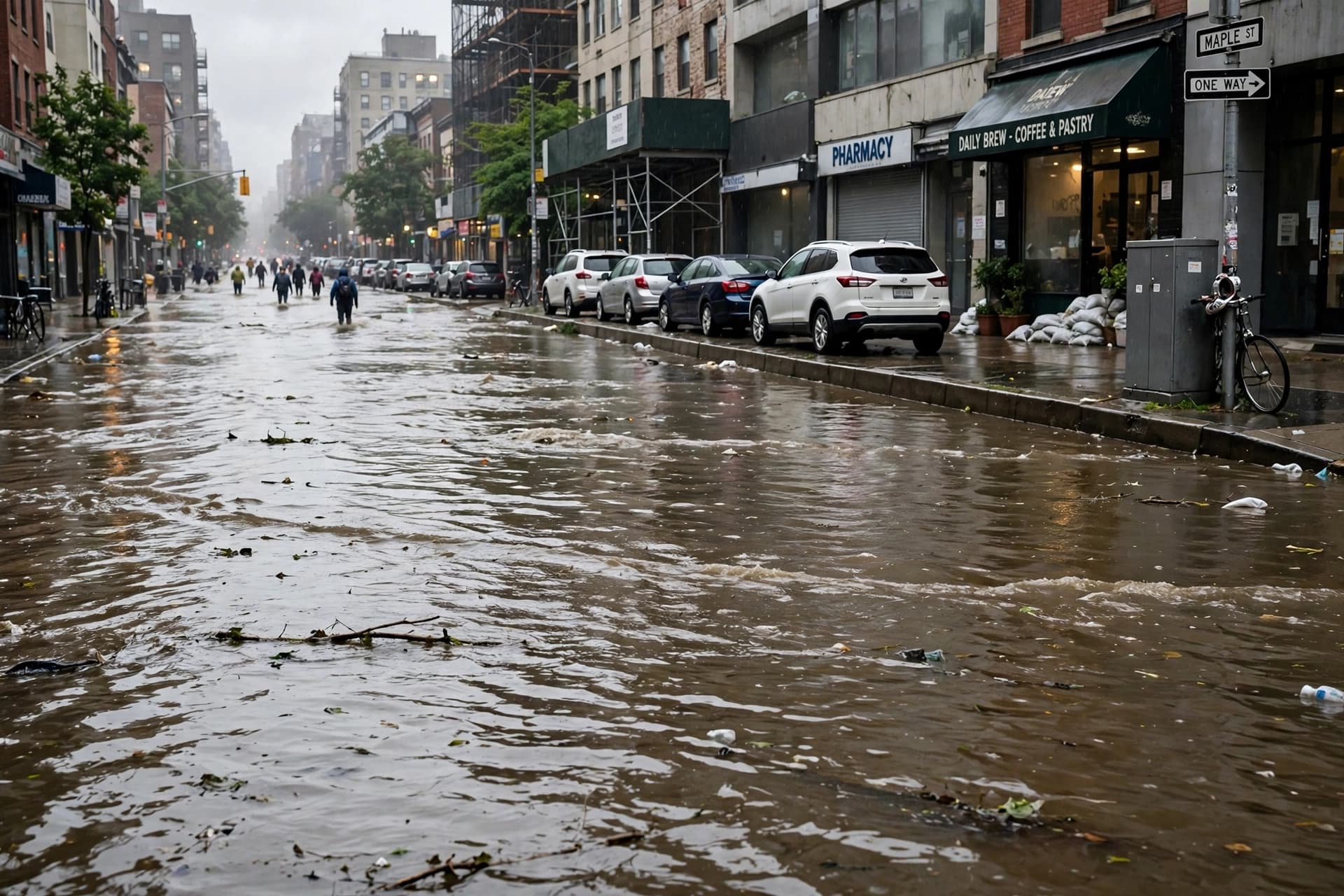
Water is patient. It finds the low places, the cracks, the spaces between things, and it waits. For the residents of Bangkok's eastern districts, that patience became something else over the weekend—a slow, persistent intrusion that turned streets into canals and homes into islands. By Monday, the rain had begun to ease, and the water was starting, just barely, to recede. But the city was still counting what it had lost, and the number it had found was 700,000.
That figure represents the people affected by flooding across the Thai capital, according to the Bangkok Flood Control Center—roughly 329,000 households. The rains that caused it were near-continuous, driven by a low-pressure system that has since moved away, though monsoon showers continue in eastern Bangkok. Overnight rainfall reached 62 millimeters in Nong Chok, 55 in Lat Krabang, and 52 in Min Buri.
Bangkok Governor Chadchart Sittipunt declared a flood emergency across all 50 city districts on Saturday. By Monday, officials said conditions had improved enough to accelerate drainage efforts, though water levels in four main canals—including Khlong Prawet Burirom and Khlong Lat Phrao—remained too high to take in runoff from surrounding communities. "We have to get as much water out as possible today," Chadchart said, describing a sequence in which canals must fall first, then roads, then communities.
The hardest-hit areas have been in eastern Bangkok: Lat Krabang, Bang Kapi, Khan Na Yao, Min Buri, and several adjoining districts. In Bang Kapi, water remained knee-deep near a train station and shopping mall, where shoppers waded through with bags and boxes, some traveling to and from the station in a small boat provided by the mall. The city has moved approximately 1,500 bedridden patients to hospitals under the Bangkok Metropolitan Administration and is monitoring requests for help posted on social media.
The government declared special holidays on Monday and Tuesday for state offices in Bangkok and three surrounding provinces—Nonthaburi, Pathum Thani, and Samut Prakan—advising private businesses and hospitals to determine whether they needed to remain open. Nearly 7,000 people were staying in shelters as of Monday. Suvarnabhumi Airport reported baggage piling up due to insufficient staffing, delaying some departures and forcing arriving passengers to wait longer than usual for their luggage.
For Naowarat Supanikorn, a 55-year-old maid who shares a single-story house with three dogs and six cats, the flooding has cost her more than inconvenience. She lost her job when she could not reach her workplace. She evacuated her pets to a neighbor's home, then brought them back when the rain seemed to stop. "I'm not worried about me but I'm worried about my pets," she said. "They're my priority. It's ok if I don't have work and starve myself, but I'd like help for my pets".
The Bangkok Metropolitan Administration has requested relief supplies—ready-to-eat meals, drinking water, high-clearance vehicles, flat-bottomed boats, and mobile kitchens—as drainage operations continue. Lat Krabang alone requires around 20,000 meal boxes per meal. The water is receding, slowly, and the city is beginning the long work of drying out.
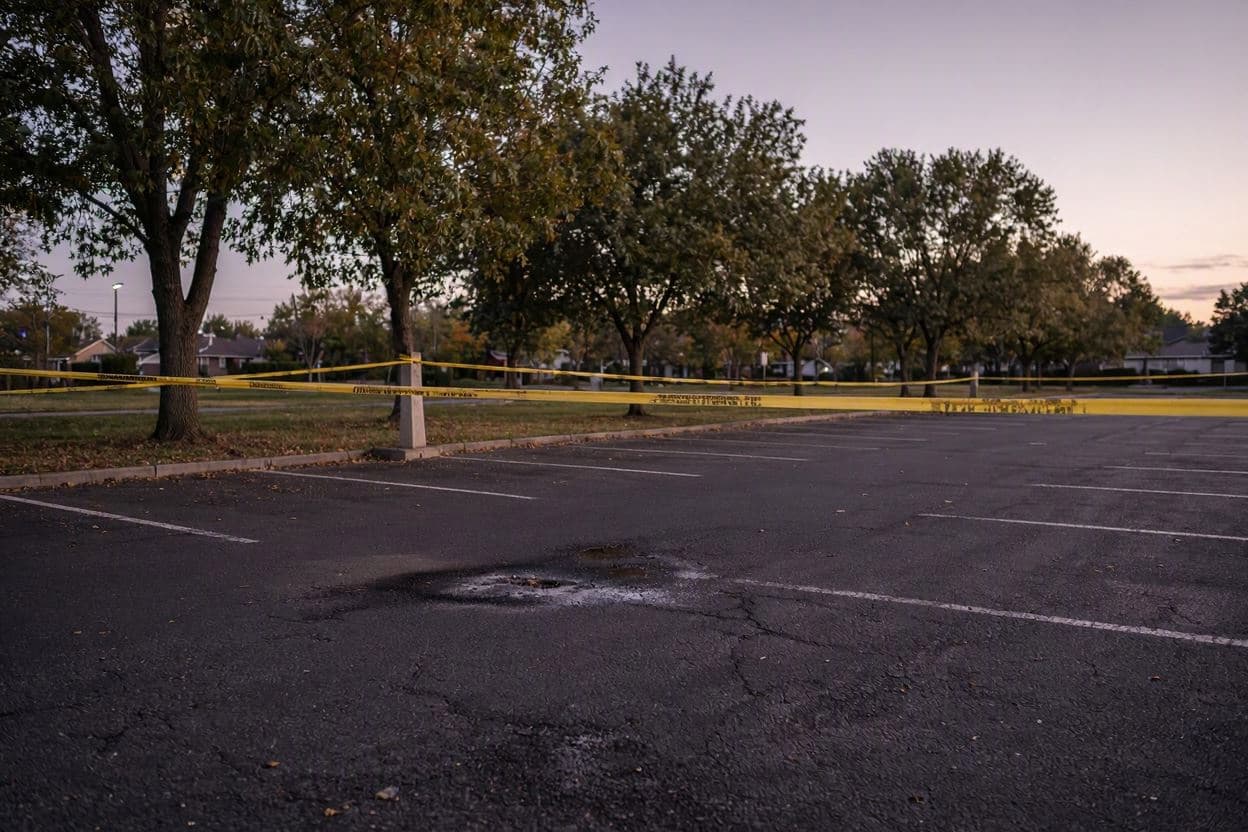
AI Image Disclaimer: The images used in this article are synthesized by artificial intelligence and are for illustrative purposes only.
Sources: Washington Post (AP), Seattle Times, Nation Thailand, Khaosod English, ANTARA News, Yeni Şafak, La Nación
Published by Banx Network. This article is part of the Banx decentralized media programme, powered by the BXE token on the XRP Ledger.