There are weekends when a nation wakes to news it already knows in its bones, and there are weekends when the weight of the familiar becomes something heavier still. In South Africa, where gun violence has for years been a grim constant rather than an aberration, last weekend carried both—two separate mass shootings, hours apart, hundreds of kilometers between them, and a death toll that climbed as the sun rose. By the time the counting stopped, twenty-eight families had been shattered and a country accustomed to violence found itself asking whether it had grown numb to it.
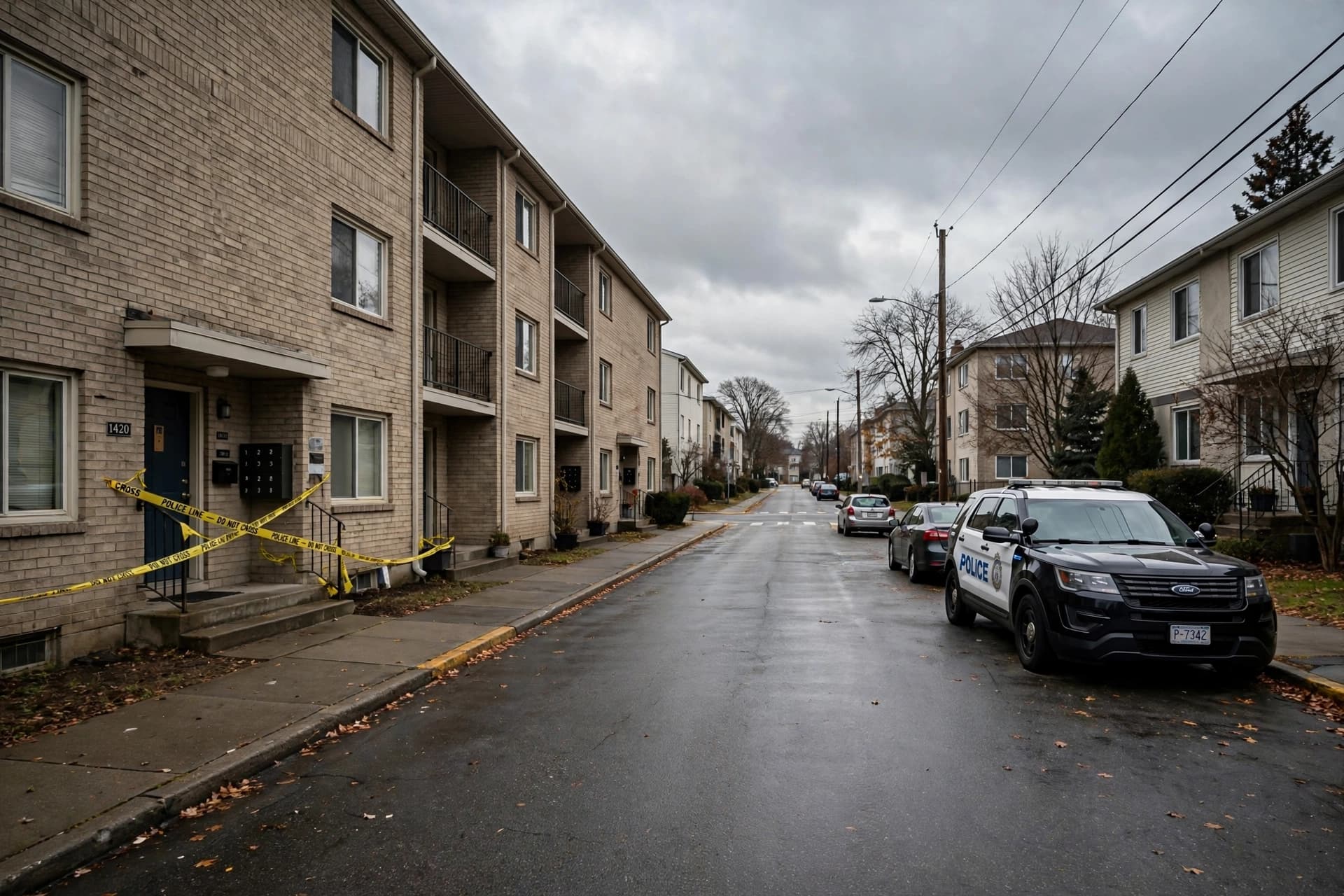
The first attack unfolded late Saturday night in Wedela township, southwest of Johannesburg, where eight gunmen armed with AK-47 rifles and pistols stormed a bar. They shot patrons outside before moving through the establishment, firing at those inside. Eighteen people died, fourteen more were wounded, and the attackers searched some of the victims before fleeing in two vehicles. Among the dead were citizens of Ethiopia and Lesotho, though the vast majority were South African.
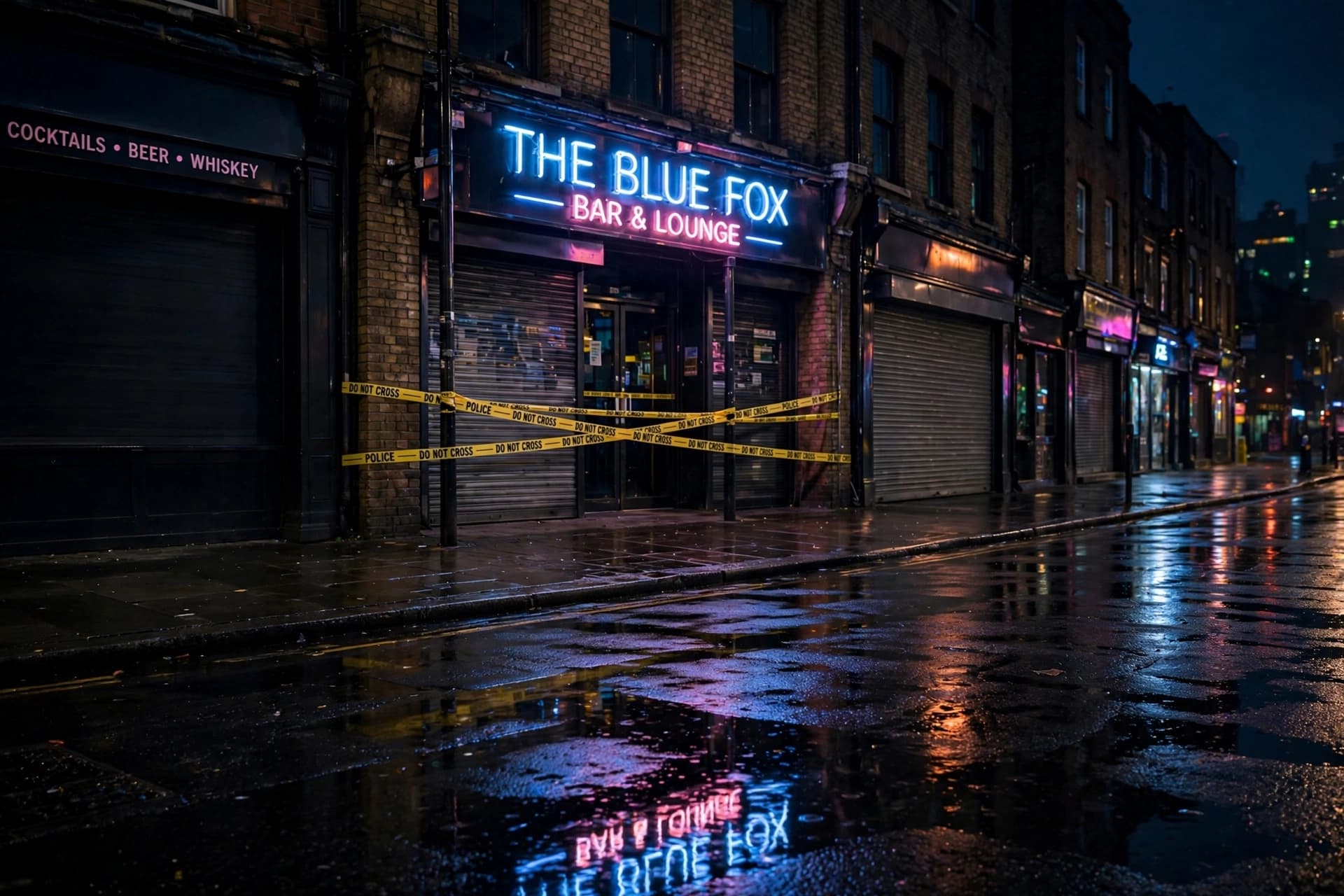
Four hours later and roughly 1,300 kilometers away, a second attack unfolded in Lwandle township near Cape Town. Gunmen opened fire outside an entertainment venue shortly after 1 a.m. Sunday, killing ten people and wounding eleven. Five died at the scene; five more died later in hospitals. No arrests have been made in either case.
Police have not offered a definitive motive for either shooting, though Gauteng Police Commissioner Tommy Mthombeni said authorities believed robbery was behind the Wedela attack, given that personal belongings were taken. He did not rule out turf wars between illegal mining groups, which have become a persistent source of violence in the region. Deputy Provincial Commissioner Fred Kekana suggested the attack may have been retaliation for an incident last month in which one person was killed and another wounded.
The weekend killings came just days after another mass shooting in Durban, where eleven people, including a pregnant woman, were killed at a house party in KwaMakhutha township. The Global Initiative Against Transnational Organized Crime estimates that at least 196 people have been killed in 41 mass shootings since January—a figure its analysts suspect is an undercount.
South Africa records roughly sixty murders each day in a population of about 62 million, one of the highest homicide rates in the world. Illegal weapons are abundant, and the violence is often linked to criminal networks fighting over markets and territory. In August, police killed an alleged illegal mining kingpin in the Carletonville area, linked to a conflict between rival groups—a detail that analysts believe may have set the stage for Saturday's attack.
President Cyril Ramaphosa has called organized crime "the most immediate threat to our democracy, our society and our economic development". The military was deployed alongside police earlier this year in the country's most violent areas. But the attacks continue, and the questions they leave behind—about policing capacity, corruption within the ranks, and the limits of a security response to a deeply rooted problem—remain as unanswered as the identities of those who pulled the triggers.
AI Image Disclaimer: The visuals accompanying this article are generated by artificial intelligence and do not represent actual persons or events.
Sources: BBC, AP, Africanews, OkayAfrica, Ahram Online, Haaretz, RNA
Published by Banx Network. This article is part of the Banx decentralized media programme, powered by the BXE token on the XRP Ledger.