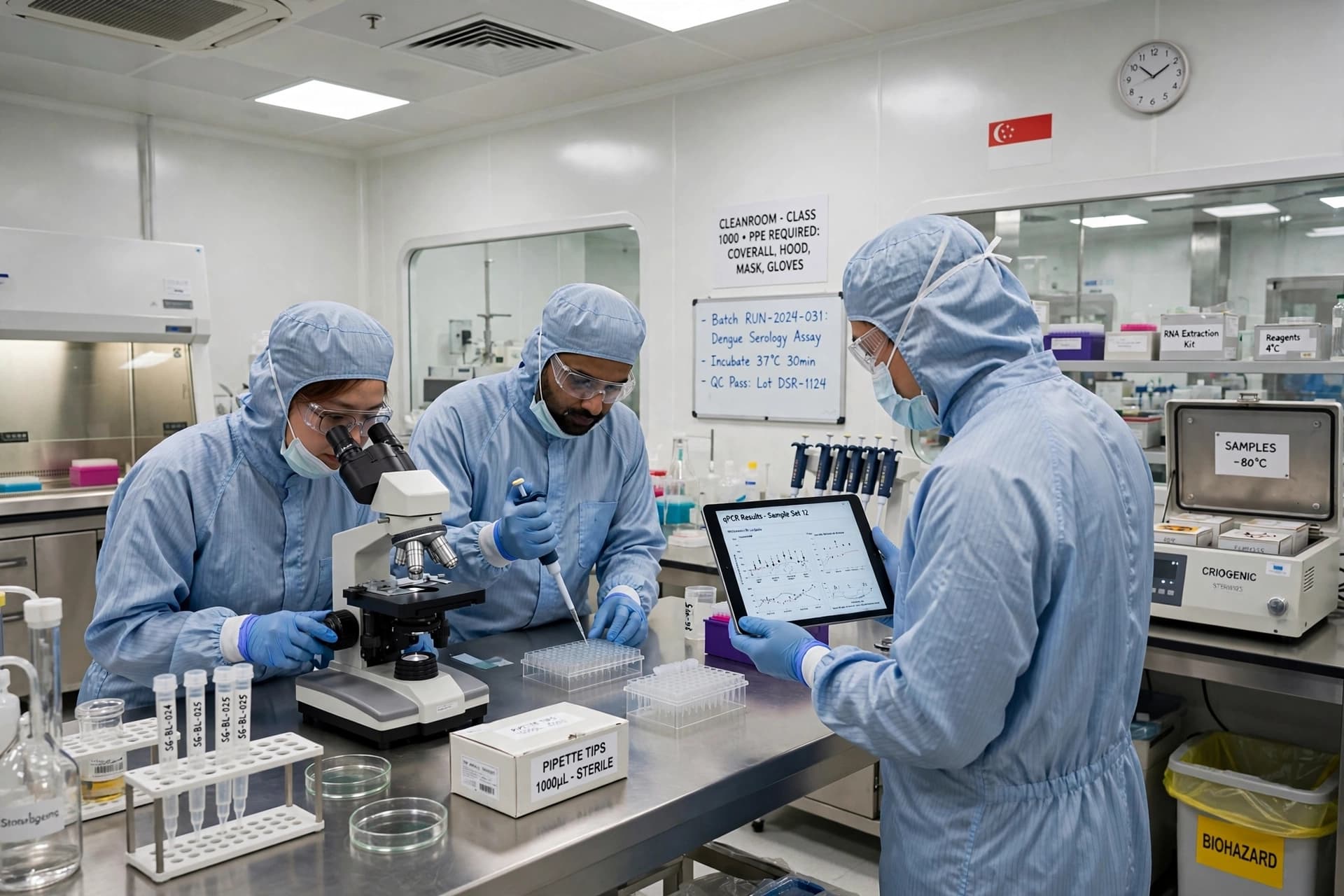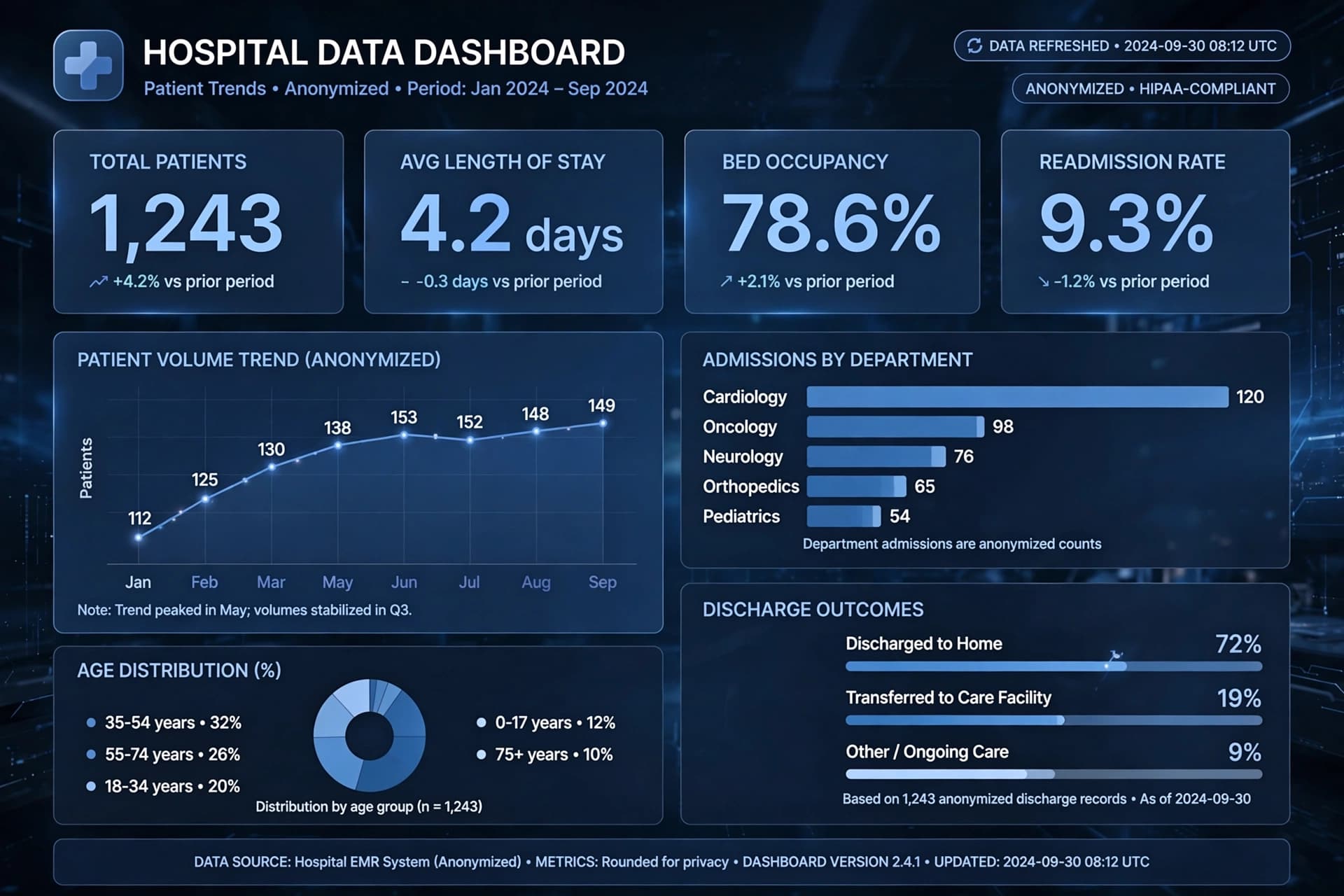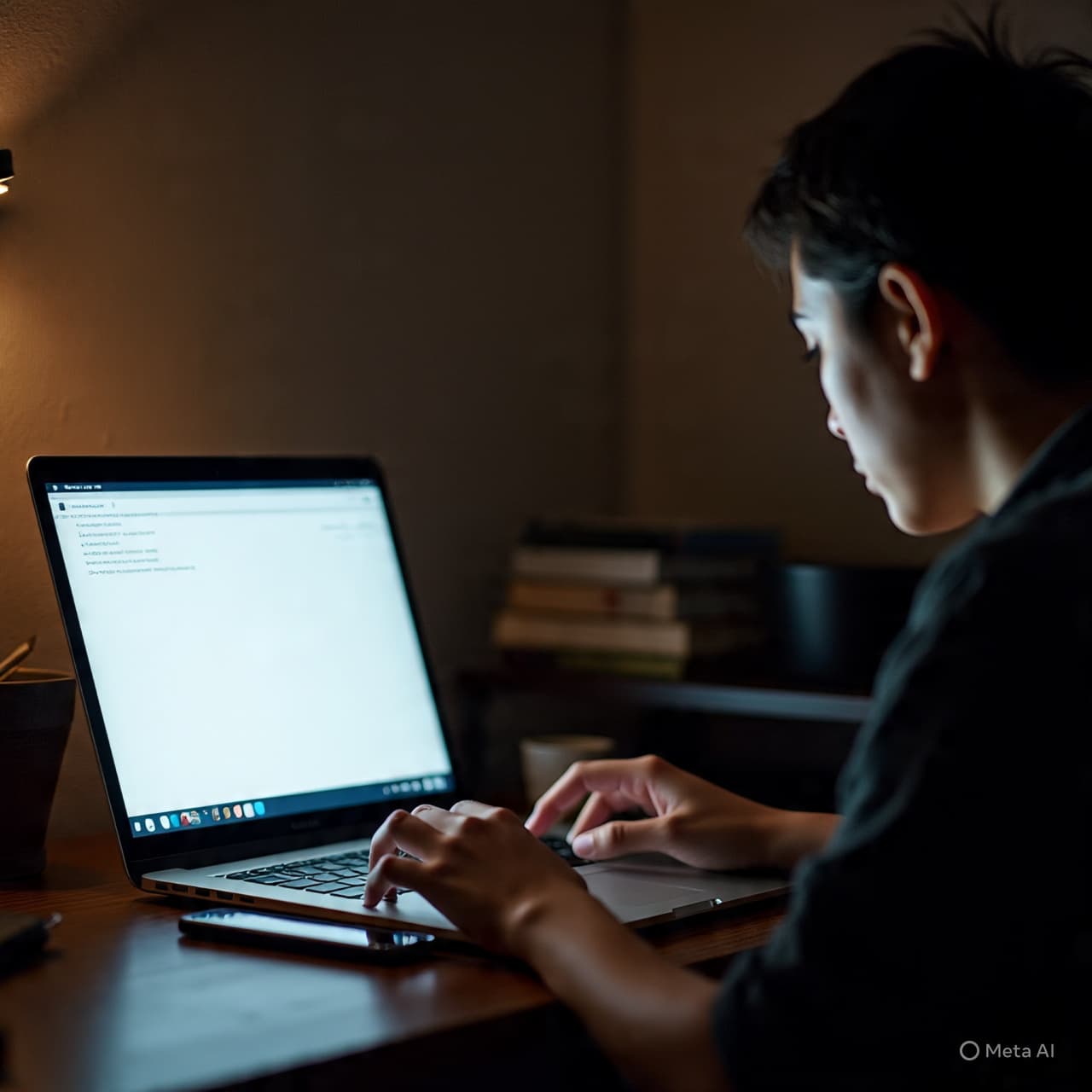
There was a time when our days were measured by sunlight and shadow. Now, they are often measured by pixels. From the moment a phone screen glows awake in the morning to the final scroll before sleep, our eyes move across illuminated surfaces, absorbing information at a pace no previous generation has known. In this quiet shift, vision has become both window and workload. Eye health in the digital era is less about sudden crisis and more about steady strain. Prolonged screen use has been linked to what clinicians call digital eye strain, sometimes referred to as computer vision syndrome. Symptoms may include dryness, blurred vision, headaches, and difficulty focusing. The causes are subtle: reduced blinking while concentrating, blue light exposure, glare, and the close proximity of screens.
Unlike printed text, digital displays demand constant micro-adjustments. Pixels flicker imperceptibly, contrast shifts, and brightness competes with surrounding light. Over hours, the muscles that help the eyes focus can grow fatigued. It is not that screens are inherently harmful, but that sustained use without breaks challenges the natural rhythms of vision.
Children and adolescents are of particular interest to researchers. Increased screen time coincides with rising rates of myopia, or nearsightedness, in many parts of the world. While genetics play a role, reduced outdoor activity and prolonged near work are considered contributing factors. Exposure to natural light appears to support healthy eye development, adding another dimension to discussions about digital balance.
Blue light, often singled out in public debate, remains an area of nuanced study. While current evidence suggests that everyday screen exposure does not cause permanent retinal damage, evening use can disrupt sleep by affecting circadian rhythms. The brightness and timing of exposure may matter more than the color itself.
Employers and educators have begun to acknowledge the issue. Recommendations such as the 20-20-20 rule—every 20 minutes, look at something 20 feet away for 20 seconds—encourage brief visual resets. Adjusting screen height to eye level, reducing glare, and maintaining appropriate distance can also reduce strain. Simple habits, when practiced consistently, often offer meaningful relief.
Technology companies are responding with features like night mode, adjustable brightness, and reminders to take breaks. These tools, while modest, reflect growing awareness that digital convenience must coexist with physical well-being.
Yet the conversation extends beyond discomfort. Vision is central to learning, working, and connecting. Protecting eye health ensures that screens remain tools rather than sources of persistent fatigue. Balance, rather than avoidance, defines the modern approach.
Health professionals continue to study long-term patterns of screen exposure and visual development. In the meantime, eye care specialists advise routine examinations and mindful screen habits. The age of screens is unlikely to fade, but thoughtful adaptation can help ensure that clarity—both literal and figurative—endures.
AI Image Disclaimer Visuals are created with AI tools and are not real photographs.
Source Check — Credible Media Coverage Exists:
BBC The New York Times The Guardian Reuters CNN
Published by Banx Network. This article is part of the Banx decentralized media programme, powered by the BXE token on the XRP Ledger.