The cosmos is vast, yet much of it remains hidden in shadow. For decades, astronomers have peered into the night sky, aware that visible stars and galaxies constitute only a fraction of reality. The rest is composed of dark matter and dark energy, invisible forces that shape the universe’s structure and expansion. With the launch of the Nancy Grace Roman Space Telescope, humanity takes a significant step toward illuminating these mysteries. This mission invites reflection on our enduring curiosity and the technological ingenuity required to see the unseen.
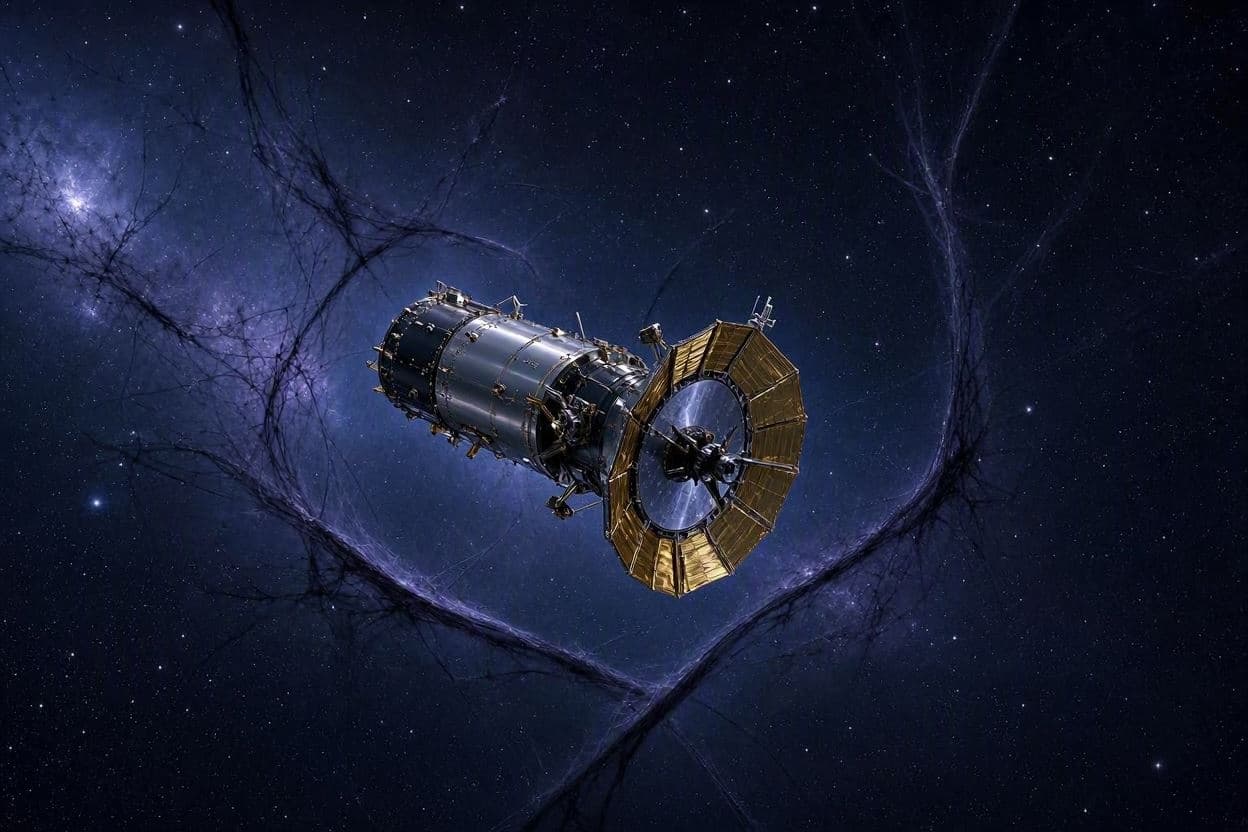
Named after NASA’s first chief astronomer, the Roman Space Telescope is designed with a wide field of view, allowing it to survey large swaths of the sky with unprecedented precision. Unlike its predecessor, the Hubble Space Telescope, which focuses on deep, narrow fields, Roman will capture broad images that reveal the large-scale structure of the universe. This capability is essential for mapping the distribution of dark matter and understanding the accelerating expansion driven by dark energy.
The telescope employs advanced coronagraph technology, which blocks the light from bright stars to reveal fainter objects nearby, such as exoplanets. This instrument will directly image planets outside our solar system, analyzing their atmospheres for signs of habitability. By studying these distant worlds, scientists hope to understand the diversity of planetary systems and the conditions necessary for life.
Dark energy, which makes up about 68% of the universe, remains one of the greatest puzzles in physics. Roman will measure the effects of dark energy on the growth of cosmic structures over time. By observing how galaxies cluster and how light bends around massive objects, the telescope will provide data to test competing theories about the nature of this elusive force.
The launch marks the culmination of years of collaboration among engineers, scientists, and policymakers. It represents a commitment to fundamental science, seeking answers to questions that have no immediate practical application but deepen our understanding of existence. Such endeavors remind us that exploration is a core human value, driving progress through the pursuit of knowledge.
As the telescope begins its operations, it will join a fleet of observatories working in concert. Data from Roman will complement findings from the James Webb Space Telescope and ground-based facilities, creating a more complete picture of the cosmos. This synergy accelerates discovery, allowing researchers to cross-reference observations and validate results.
Public engagement with the mission is expected to be high, as the images and data become available. The visual beauty of space, combined with the profound implications of the findings, inspires wonder and scientific interest. It encourages a new generation to look up and ask questions about their place in the universe.
The journey of the Roman Space Telescope is just beginning. As it unfolds its mirrors and calibrates its instruments, it prepares to send back data that could reshape our cosmological models. It is a testament to human ambition, reaching out to touch the edges of the known world.
NASA’s Nancy Grace Roman Space Telescope has launched to investigate dark energy, dark matter, and exoplanets. With its wide-field imaging capabilities, the mission aims to unlock the secrets of the dark universe, offering new insights into cosmic expansion and planetary diversity.
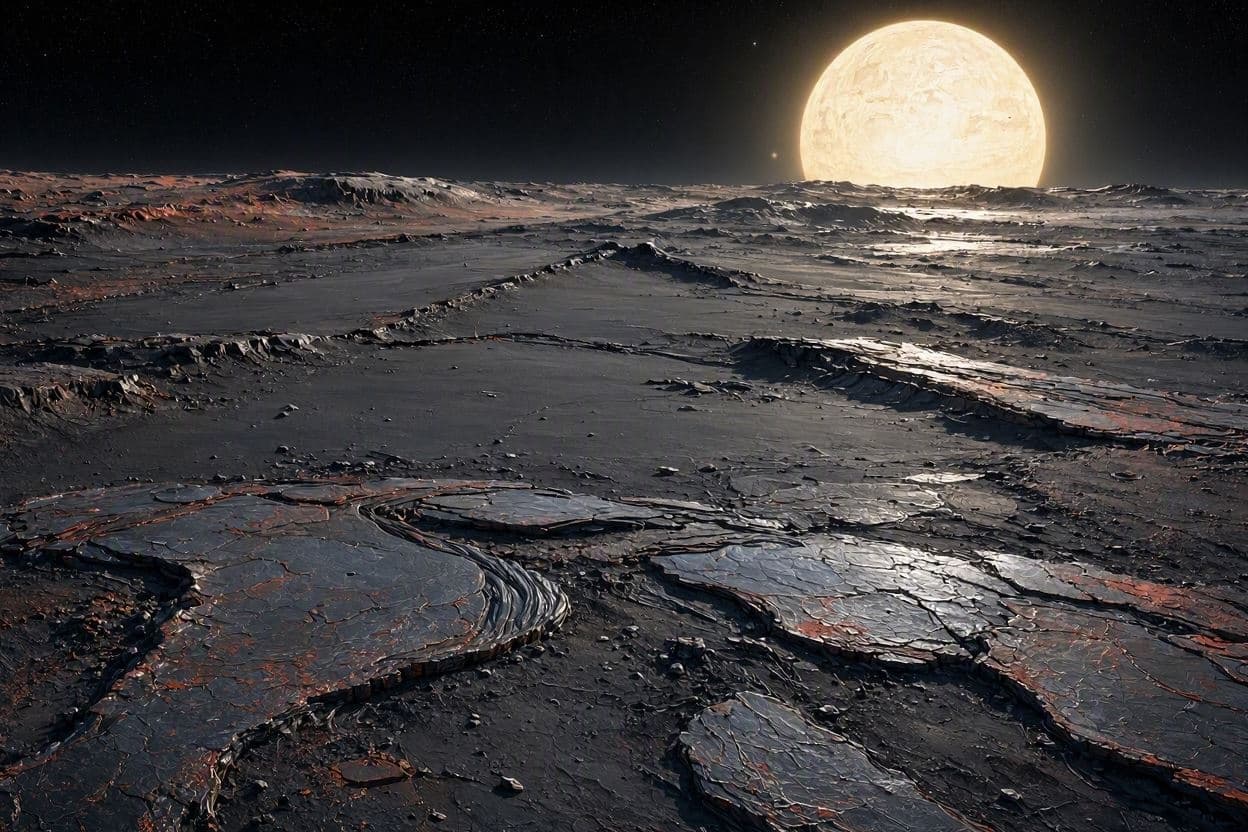
AI Image Disclaimer: The visual representations accompanying this article are AI-generated interpretations designed to symbolize space exploration and the search for dark energy, using abstract imagery of telescopes and cosmic webs.
Sources: NASA Official Website SpaceNews Scientific American
Published by Banx Network. This article is part of the Banx decentralized media programme, powered by the BXE token on the XRP Ledger.