Key Highlights
- Hungary plans to cease Russian gas imports by autumn 2027.
- Foreign Minister Anita Orbán announced the shift in energy policy.
- The country is exploring alternative energy sources and pipeline connections.
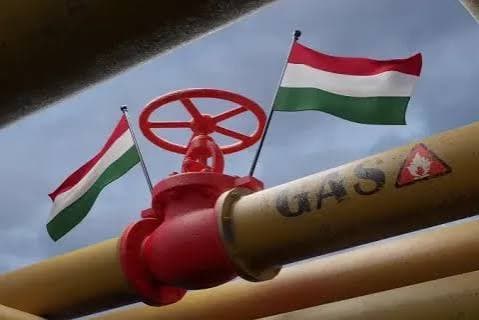
Hungary has announced its intention to stop importing Russian natural gas by autumn 2027, a significant policy shift articulated by Foreign Minister Anita Orbán in a recent interview with Telex. This decision aligns with the European Union's broader strategy to phase out reliance on Russian energy sources in light of geopolitical tensions and the ongoing conflict in Ukraine. The announcement marks a notable departure from Hungary's previous stance, where the government had resisted such measures and even challenged them legally alongside Slovakia.
The shift in Hungary's energy policy comes as the EU sets a deadline for all member states to eliminate Russian gas imports. This move is part of a larger effort to enhance energy security and reduce dependence on Russian energy supplies, which have been a point of contention since the onset of the Ukraine crisis. Orbán's statement reflects a growing recognition within Hungary of the need to adapt to changing energy dynamics in Europe.
In response to this new directive, Hungary is actively exploring alternative energy supplies. The country is looking to increase its imports of liquefied natural gas (LNG) through various routes, including Croatia, Greece, Poland, and Lithuania. These efforts are aimed at diversifying Hungary's energy sources and ensuring a stable supply of natural gas as it transitions away from Russian imports.
Additionally, Hungarian energy company MOL is preparing its refineries to process non-Russian crude oil, further supporting the country's shift towards energy independence. This proactive approach indicates Hungary's commitment to securing its energy future while aligning with EU policies.
The implications of Hungary's decision are significant, not only for its energy landscape but also for regional energy security in Central and Eastern Europe. As Hungary moves forward with its plans, it may encourage other nations in the region to reconsider their own energy dependencies and explore similar pathways to reduce reliance on Russian energy.
As the autumn 2027 deadline approaches, Hungary's transition away from Russian gas will be closely monitored by both domestic and international stakeholders. The success of this initiative will depend on the country's ability to secure alternative energy supplies and effectively implement the necessary infrastructure changes to support this new energy strategy.
Published by Banx Network. This article is part of the Banx decentralized media programme, powered by the BXE token on the XRP Ledger.