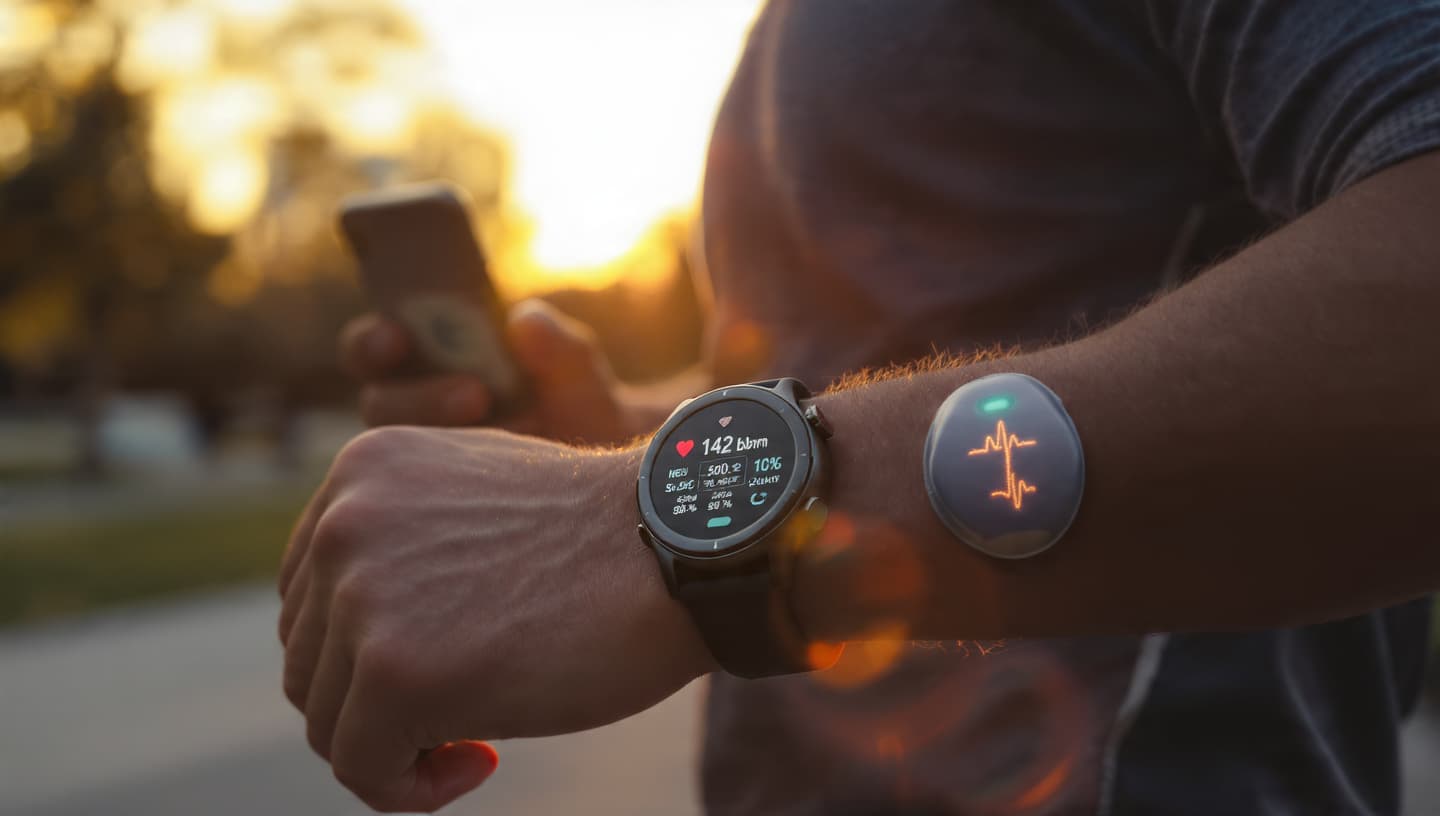
Healthcare is becoming increasingly personal, not only in treatment but also in how information is collected and used. Wearable health devices are contributing to this transformation by allowing individuals to monitor aspects of their well-being throughout daily life. What began as simple activity tracking has evolved into a rapidly growing category of health technology.
Modern wearable devices can monitor a variety of metrics, including physical activity, sleep patterns, heart rate, and other wellness indicators. These capabilities provide users with greater visibility into habits and behaviors that influence overall health.
The appeal of wearable technology lies in its accessibility. Devices can gather information continuously without disrupting daily routines, making health monitoring more convenient and engaging for many individuals.
Healthcare providers are paying increasing attention to these technologies. Data collected through wearable devices may support preventive care strategies and provide additional context during patient consultations.
Researchers continue exploring how wearable technologies can contribute to broader healthcare objectives. Ongoing studies examine their potential role in early detection, chronic disease management, and population health initiatives.
Artificial intelligence and advanced analytics are enhancing functionality. Modern platforms can identify trends, generate insights, and deliver personalized recommendations based on user data.
Consumer demand remains strong as interest in wellness and preventive healthcare continues growing. Manufacturers are responding by introducing new features and expanding device capabilities.
Privacy and data security remain important considerations. Companies developing wearable technologies are investing in safeguards designed to protect user information and maintain trust.
As wearable devices become increasingly sophisticated, they are helping create a future where health information is more accessible and actionable. By bringing monitoring tools closer to everyday life, these technologies are contributing to a broader shift toward proactive wellness and informed healthcare decisions.
AI Image Disclaimer Illustrations were produced with AI and serve as conceptual depictions.
Source Check Reuters Bloomberg STAT News The New York Times Harvard Health Publishing
Published by Banx Network. This article is part of the Banx decentralized media programme, powered by the BXE token on the XRP Ledger.