Rust is the quiet enemy of infrastructure, a slow but steady decay that weakens bridges, buildings, and vehicles over time. For decades, we have fought it with paint and regular maintenance, a never-ending battle against the elements. Now, researchers have developed a innovative solution: a self-repairing coating that can heal itself when damaged. This breakthrough promises to extend the lifespan of steel structures significantly, offering a smarter, more sustainable way to protect our built environment from the ravages of corrosion.
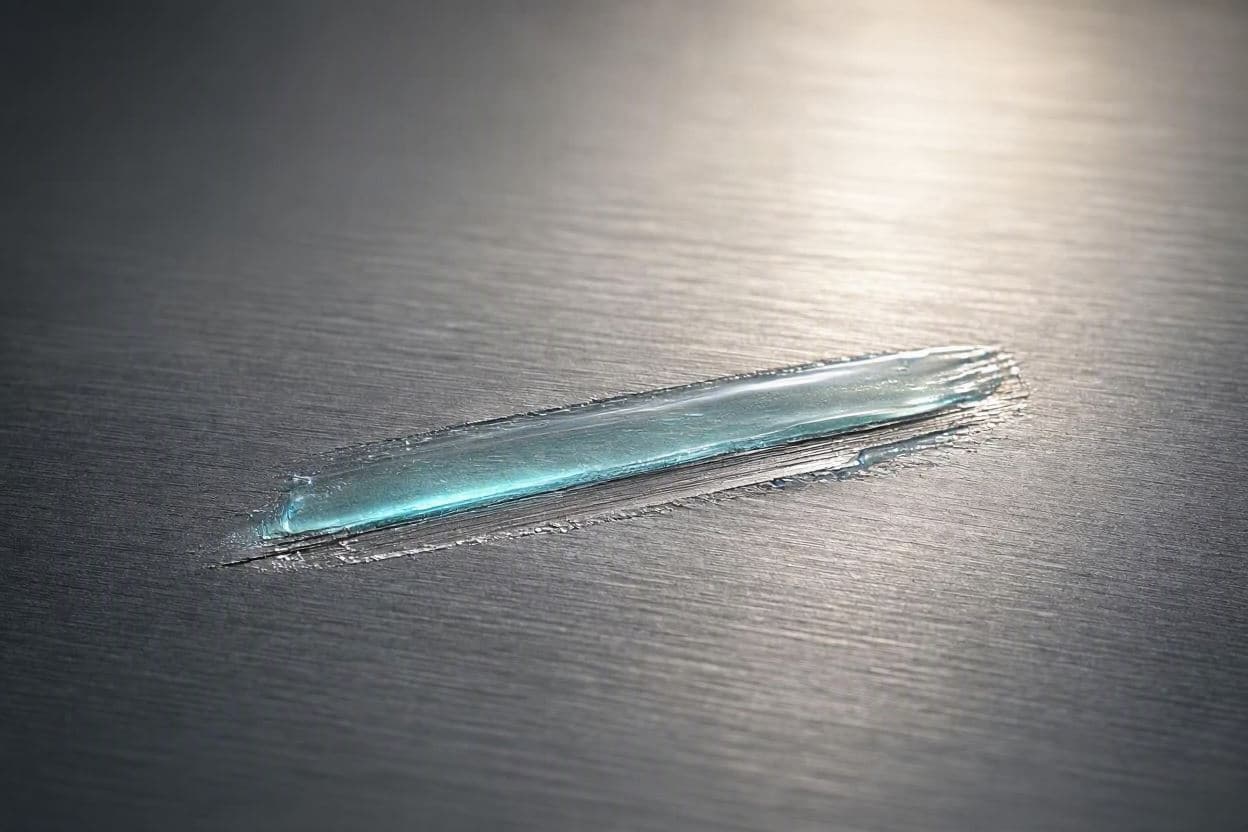
Developed by scientists at the University of Queensland, the new coating uses nanotechnology to detect and repair microscopic cracks before they can lead to rust. When the coating is scratched or damaged, it releases healing agents that seal the gap, preventing moisture and oxygen from reaching the metal surface. This autonomous response mimics the body’s natural healing process, providing continuous protection without the need for human intervention.
Electrochemical tests have shown that the self-healing coating can restrict corrosion to just 37 nanometers per year, a rate that is 600 times more effective than traditional methods. This level of protection could dramatically reduce the frequency of maintenance checks and repainting, saving billions of dollars in infrastructure costs. For industries such as construction, automotive, and shipping, this technology represents a major leap forward in durability and efficiency.
The coating is designed to be applied as a single layer, simplifying the application process and reducing labor requirements. Unlike conventional paints that degrade over time, this smart material remains active throughout its lifespan, responding to damage as it occurs. This feature is particularly valuable for structures that are difficult to access, such as offshore platforms or high-rise buildings, where regular maintenance is challenging and expensive.
Environmental benefits are also a key aspect of this innovation. By extending the life of steel structures, the coating reduces the need for frequent replacements and the associated resource consumption. Additionally, the materials used in the coating are designed to be eco-friendly, minimizing the impact on the surrounding ecosystem. This aligns with global efforts to create more sustainable industrial practices and reduce carbon footprints.
The development of self-healing coatings is part of a broader trend in smart materials, which are designed to respond to their environment. Other applications include pipelines that can seal leaks automatically and aircraft wings that can repair minor damage during flight. These technologies highlight the potential of material science to solve complex engineering problems, enhancing safety and reliability across various sectors.
As the technology moves toward commercialization, researchers are working to optimize its performance and cost-effectiveness. Partnerships with industry leaders will help scale up production and integrate the coating into existing manufacturing processes. The goal is to make this advanced protection accessible to a wide range of users, from large infrastructure projects to everyday consumer products.
The self-repairing coating is a testament to the power of innovation in addressing age-old problems. By turning passive protection into an active defense, it offers a new way to preserve our infrastructure and reduce waste. As this technology matures, it holds the promise of a future where rust is no longer a inevitable decline, but a manageable challenge. It is a small step for materials science, but a giant leap for sustainability.
AI Image Disclaimer: Please be aware that the images used here are AI-generated and serve as illustrative aids for the narrative.
Sources: Phys.org, University of Queensland News, The Engineer, Xinhua News, ScienceDirect
Published by Banx Network. This article is part of the Banx decentralized media programme, powered by the BXE token on the XRP Ledger.