On the vast prairies of central Alberta, where the horizon stretches endlessly and the sky dictates the rhythm of life, farmers are bracing for a season shaped by distant ocean currents. The emergence of a "super" El Niño promises a winter with less snow and reduced moisture, a prospect that carries both anxiety and adaptation for those who till the soil. This climatic phenomenon, though thousands of miles away, casts a long shadow over the agricultural heartland, reminding us of the interconnectedness of our global environment.
El Niño, characterized by warmer-than-average sea surface temperatures in the Pacific Ocean, typically brings milder and drier conditions to Western Canada. For Alberta farmers, this means a potential reduction in the vital snowpack that acts as a natural reservoir, slowly releasing moisture into the soil during the spring thaw. Without this buffer, the growing season could begin with a deficit, challenging crops that rely on consistent hydration. The term "super" suggests an intensity that may amplify these effects, demanding careful planning and resilience.
The impact extends beyond mere water availability. Reduced snow cover can leave soils exposed to harsh winds and extreme temperature fluctuations, increasing the risk of erosion and frost damage. Farmers are thus faced with the dual challenge of conserving moisture and protecting their fields from environmental stressors. This situation requires a shift in traditional practices, encouraging the adoption of techniques such as no-till farming and cover cropping to maintain soil health and retain whatever precipitation does fall.
Water management becomes a critical focus in such scenarios. Irrigation systems, already stressed by previous dry years, may need to operate at higher capacities, drawing from limited groundwater resources. This raises concerns about sustainability and the long-term viability of aquifers. Community discussions around water rights and conservation strategies are likely to intensify, as neighbors collaborate to ensure equitable access and shared responsibility for this precious resource.
Despite the challenges, there is a spirit of innovation among Alberta’s agricultural community. Many farmers are turning to technology and data-driven insights to optimize their operations. From precision agriculture tools that monitor soil moisture in real-time to drought-resistant crop varieties, the sector is evolving to meet the demands of a changing climate. This adaptability is a testament to the resilience of those who work the land, finding solutions in the face of uncertainty.
The economic implications are also significant. Lower yields could affect local markets and supply chains, influencing prices for consumers and producers alike. Government support programs and insurance schemes may play a crucial role in mitigating financial risks, providing a safety net for those most affected. However, the ultimate goal remains self-sufficiency through sustainable practices that reduce vulnerability to climatic extremes.
As the winter approaches, the anticipation builds. Will the predictions hold true? How will the community respond? These questions linger in the air, much like the dust on the fields. Yet, there is a quiet confidence born of experience. Alberta farmers have weathered many storms, both literal and metaphorical, and emerge with a deeper understanding of their environment. This El Niño is another chapter in that ongoing story of endurance and adaptation.
The prospect of a dry winter due to a super El Niño is a reminder of nature’s power and unpredictability. For central Alberta farmers, it is a call to prepare, innovate, and cooperate. As they look to the skies, they do so with hope and determination, ready to nurture the land regardless of the challenges. Their efforts sustain not just their livelihoods but the food security of the nation, earning our respect and support.
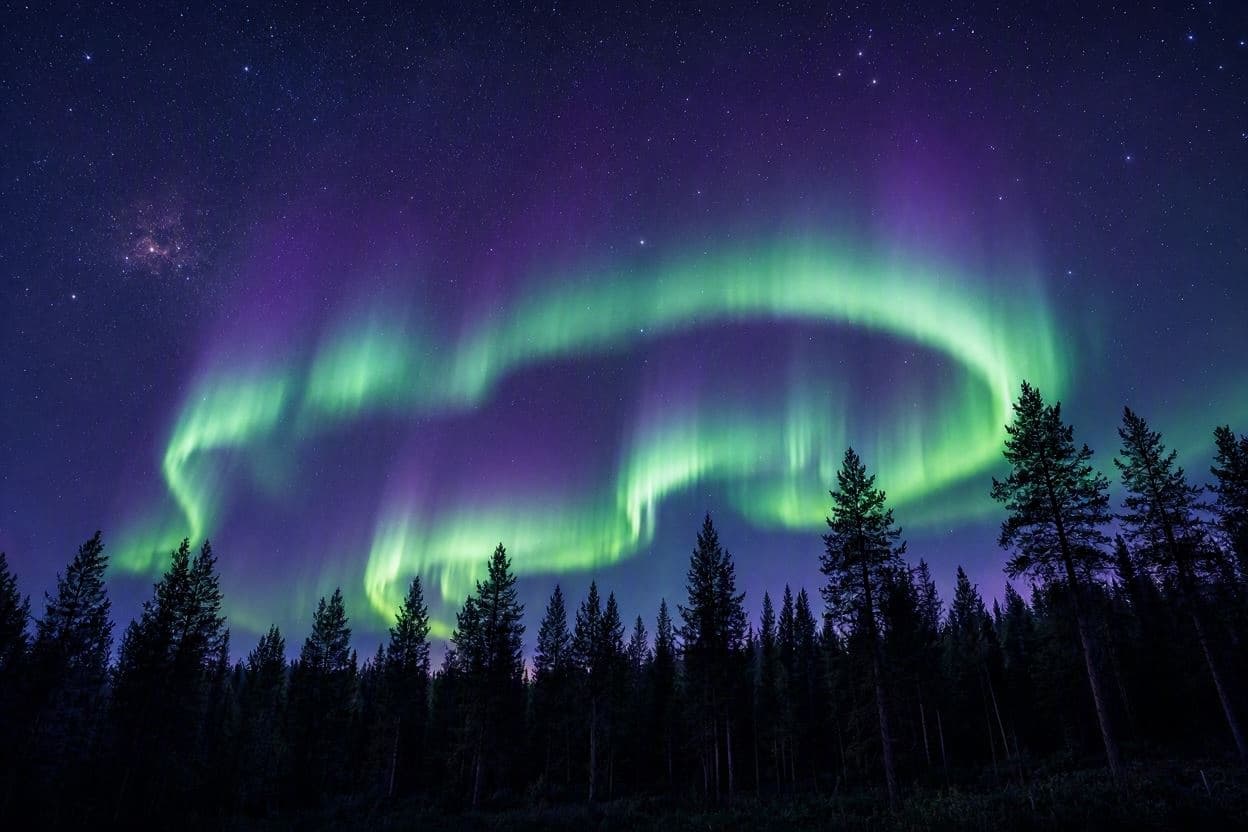
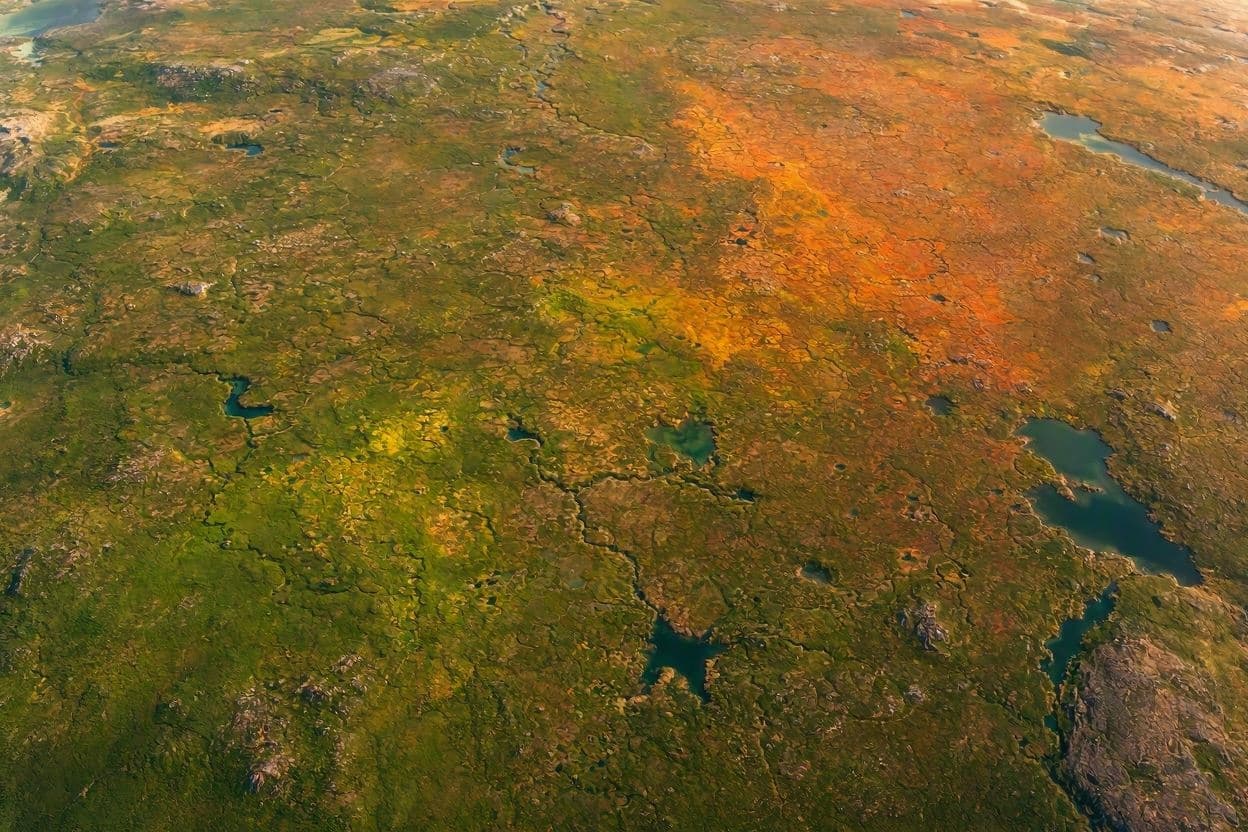
AI Image Disclaimer: Images included in this piece are AI-generated artistic renditions created for illustrative purposes and do not represent actual photographs of Alberta farmland or weather patterns.
Sources: CBC News Real Agriculture Climate Data Canada Producer.com
Published by Banx Network. This article is part of the Banx decentralized media programme, powered by the BXE token on the XRP Ledger.