The answer lies partly in design, partly in pragmatism, and partly in a deeper question of how we perceive danger. India’s Central Pollution Control Board (CPCB) deliberately caps official AQI readings at 500. According to experts, that top band — labeled “severe plus” — is meant to signal a public-health emergency. By treating everything above 500 as one category, the system simplifies how people respond: if it’s that bad, it’s time for maximum precautions.
Yet, on private and international platforms, the story is different. Services like IQAir do not impose an upper limit, and during very polluted days, they regularly report values far beyond 500 — even into the thousands. That divergence dawns when the data-gathering methods differ: India relies on “analyser-based” monitors — more precise, but slower — while many international platforms use “sensor-based” systems that sample in real-time but may have calibration or accuracy trade-offs.
There’s also a structural reason: at extremely high pollution levels, CPCB’s AQI formula flattens out. As particulate matter — like PM2.5 — climbs above certain concentrations, the AQI scale barely budges. In practical terms, a massive jump in pollutant concentration may result in only a small numerical increase in AQI, because the sub-index hits its ceiling. That means even when pollution becomes more toxic, the official AQI may not reflect the full severity of deterioration.
Critics argue this “plateau effect” limits the ability to communicate true risk. The Quint, for instance, points out that by capping the number, authorities lose the chance to show just how extreme conditions may become — and that in turn weakens public understanding of the urgency. Some environmental scientists also highlight that the health risks do not plateau: long-term effects may well worsen at higher concentrations, even though the AQI doesn’t rise accordingly.
Finally, the cap may have once been rooted in a more cautious, psychological design: avoid panic. According to some experts, the ceiling at 500 was chosen because that level already indicates such a serious risk that going higher numerically would not significantly change behavioral guidance. Still, as pollution episodes worsen, especially in major Indian cities, many now question whether this approach underplays the danger.
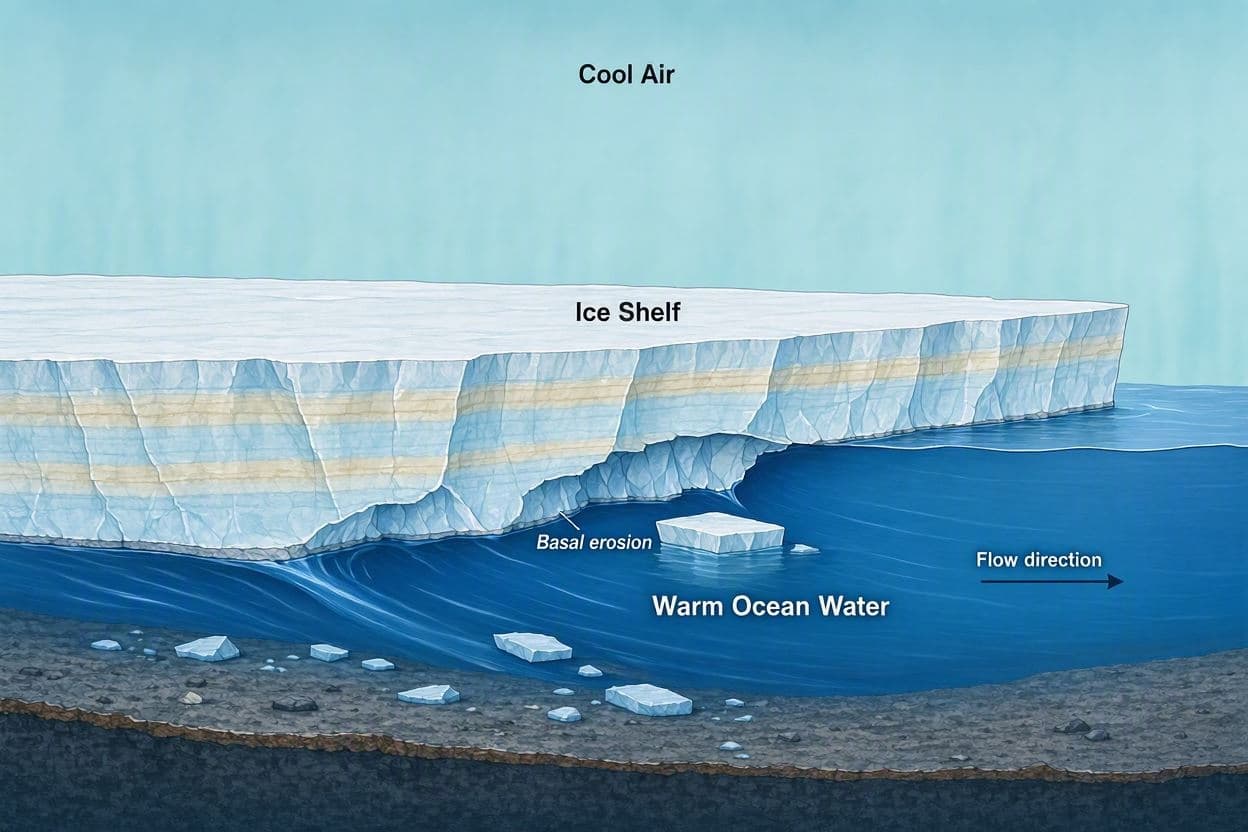
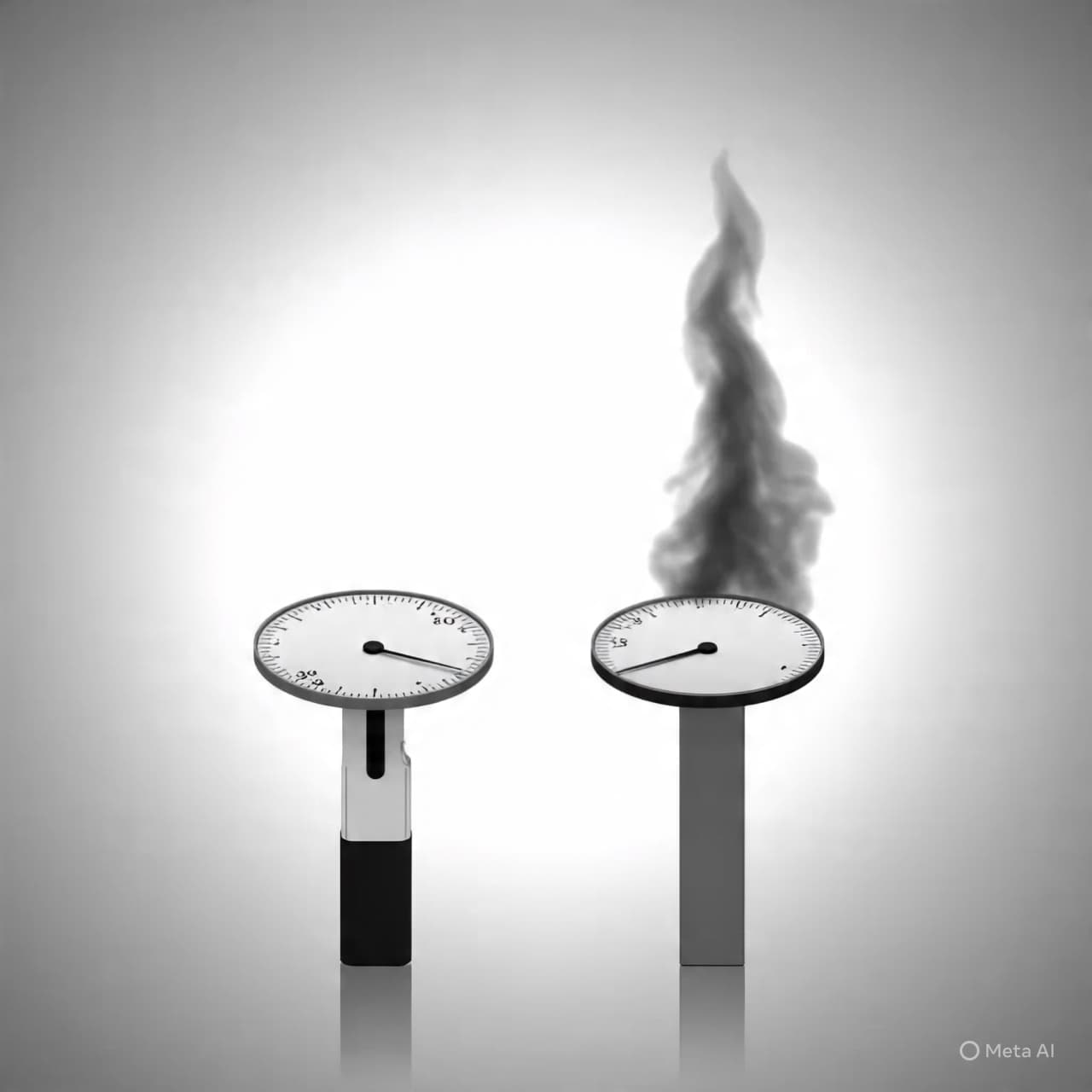
AI Image Disclaimer “Images in this article are AI-generated illustrations, meant for concept only.”
Sources India Today Business Standard Hindustan Times The Quint CPCB’s own report on AQI breakpoints
Published by Banx Network. This article is part of the Banx decentralized media programme, powered by the BXE token on the XRP Ledger.