As humanity looks toward the stars, the challenge of sustaining life beyond Earth becomes increasingly tangible. NASA is turning its attention to the fundamentals of survival, investing in research on new crop varieties and human health strategies for long-duration space exploration. This shift reflects a growing recognition that successful missions to Mars and beyond will depend not just on rocket technology, but on the ability to grow food and maintain well-being in isolated, hostile environments.
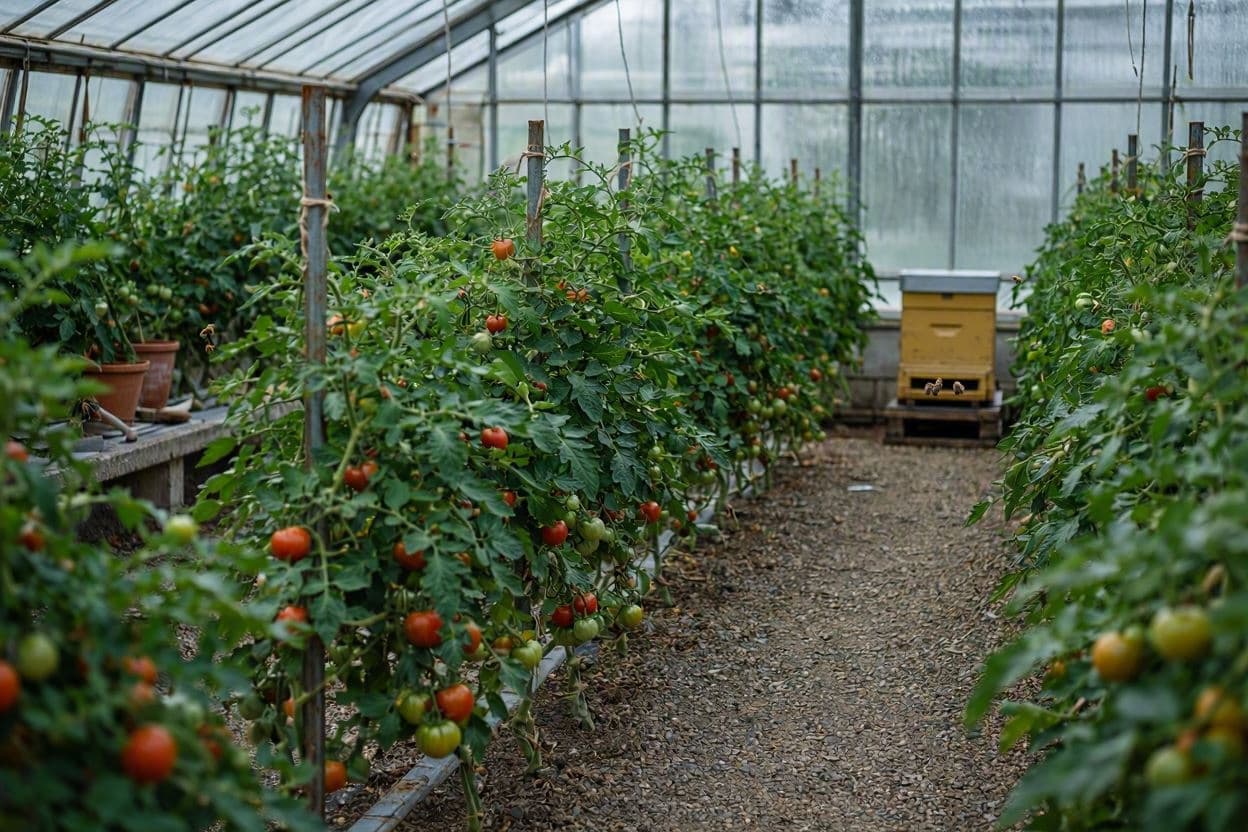
The agency has partnered with agricultural scientists to test crops that can thrive in controlled environments with limited resources. Potatoes, leafy greens, and dwarf wheat are being studied for their resilience to radiation, low gravity, and recycled water systems. These plants must be efficient in their use of nutrients and space, providing maximum caloric and nutritional value with minimal input. The goal is to create a self-sustaining food system that reduces reliance on resupply missions from Earth.
Simultaneously, NASA is advancing health research to address the physiological toll of space travel. Prolonged exposure to microgravity affects bone density, muscle mass, and cardiovascular health. New countermeasures, including specialized exercise regimes and dietary supplements, are being developed to mitigate these effects. Mental health is also a priority, with studies focusing on stress management and team dynamics in confined spaces.
The integration of agriculture and health research highlights the interconnectedness of life support systems. Fresh food not only provides nutrition but also offers psychological benefits, connecting astronauts to nature and routine. The act of gardening in space can serve as a therapeutic activity, reducing stress and improving morale during long missions. This holistic approach recognizes that human health is multifaceted, encompassing both physical and emotional well-being.
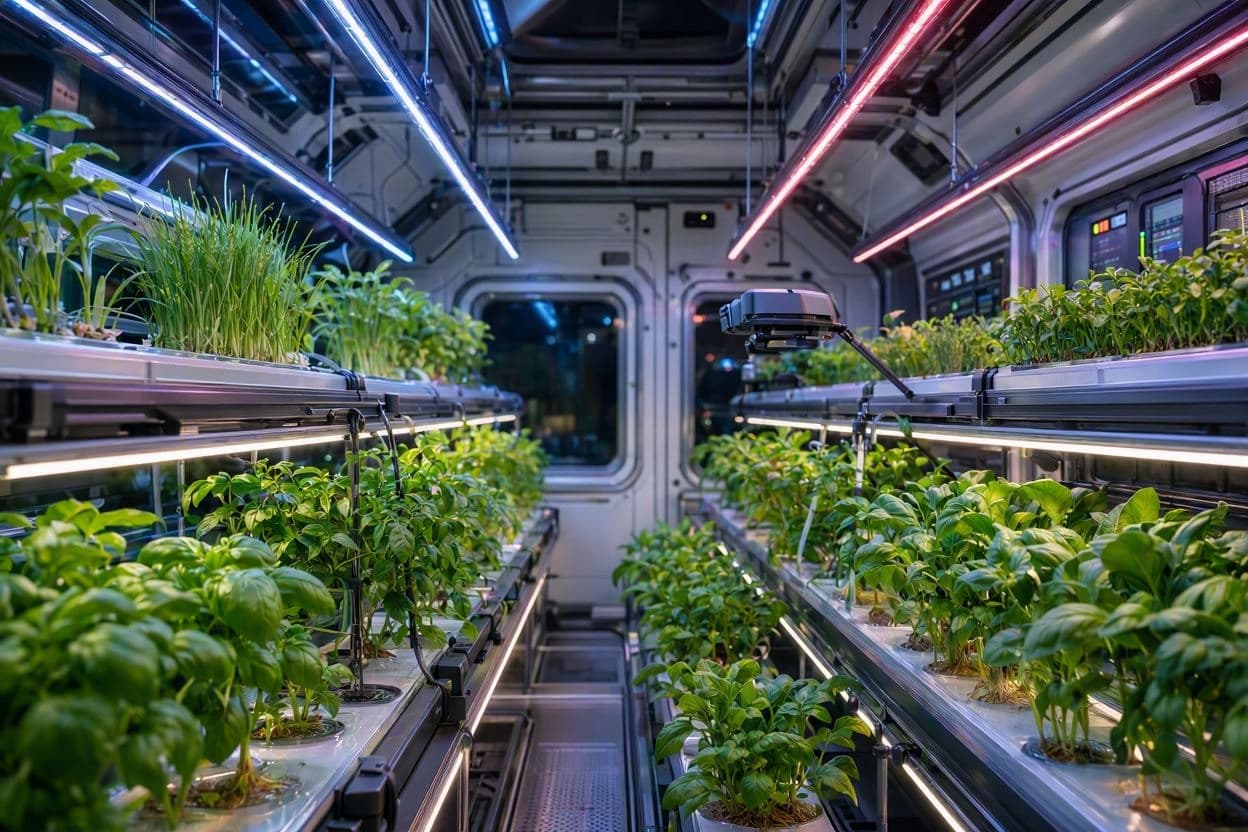
Technological innovations are key to this progress. Advanced hydroponic and aeroponic systems allow for precise control over plant growth conditions, maximizing yield in small volumes. Sensors monitor plant health and nutrient levels in real-time, enabling automated adjustments. These technologies, developed for space, have potential applications on Earth, particularly in urban farming and areas with poor soil quality.
Collaboration with international partners and private industry accelerates these efforts. By sharing data and resources, NASA leverages global expertise to solve complex problems. This open approach fosters innovation and ensures that solutions are robust and scalable. It also prepares the groundwork for future commercial space activities, where sustainable life support will be essential.
For the public, these developments offer a glimpse into the future of human expansion. They demonstrate that living in space is not just about surviving but thriving. By mastering the art of growing food and maintaining health in extreme conditions, we take a significant step toward becoming a multi-planetary species.
In the end, NASA’s focus on crops and health is a testament to the enduring human spirit. It shows that even in the vacuum of space, we seek to cultivate life and care for one another. These efforts bring us closer to the dream of exploring the cosmos, grounded in the basic needs of earthbound existence.
AI Image Disclaimer: The images used in this report are AI-generated visuals created to illustrate the themes of space agriculture and astronaut health.
Sources: NASA.gov, Space.com, Scientific American, Frontiers in Plant Science
Published by Banx Network. This article is part of the Banx decentralized media programme, powered by the BXE token on the XRP Ledger.