Key Highlights
- Market Decline:Australia's illicit tobacco market shrank for the first time in years.
- Enforcement Success:Over 600 operations led to significant seizures and store closures.
- Political Debate:Proposals to reduce tobacco excise raise concerns about the black market.
The Australian government's efforts to combat the illicit tobacco market have yielded measurable results, with a recent report indicating a decline in the market size for the first time in five years. The Illicit Tobacco and E-cigarette Commissioner estimates that the black market has decreased from a peak of 5,972 tonnes to between 5,893 and 4,453 tonnes. This modest decline is seen as a significant achievement in the ongoing battle against illegal tobacco sales.
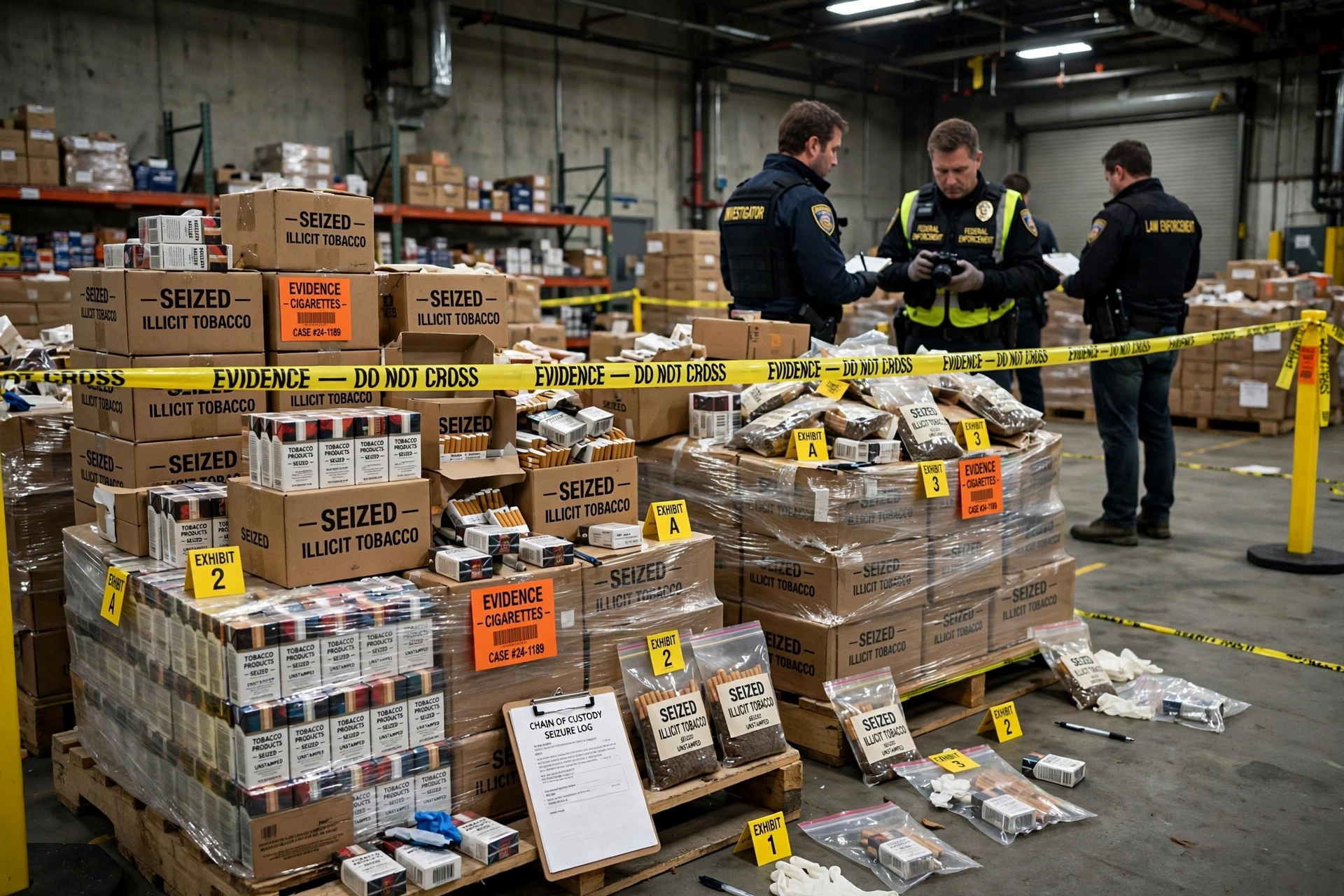
The crackdown on illicit tobacco is not the result of a single policy but rather a coordinated effort involving multiple agencies. The National Disruption Group, which includes 31 federal, state, and territory agencies, has conducted over 600 operations since its inception last October. These operations have led to the seizure of 24 million illicit cigarettes and 3.6 tonnes of loose-leaf tobacco, amounting to more than AUD $45 million in evaded duties. Additionally, 1,300 stores have been closed, and the Australian Border Force has reported seizing 730 tonnes of illicit tobacco in just the first three months of the financial year, a figure that surpasses previous quarterly totals.
The financial aspect of the enforcement is equally important. In November, the NSW Crime Commission and the Australian Border Force restrained more than AUD $20 million in assets linked to an alleged illicit tobacco network. This included luxury properties, vehicles, and bank accounts. The operation, led by the Illicit Tobacco Taskforce, aimed not only to remove products from the market but also to dismantle the financial incentives that sustain the illicit trade.
Assistant Minister for Customs Julian Hill emphasized the significance of these results, stating, "Every illicit cigarette seized, every store closed, and every network disrupted sends the same message to criminals: we know who you are, we know how you operate, and we're coming after you and your profits." This rhetoric underscores the government's commitment to reversing the trend of illicit tobacco sales, attributing the market's shrinkage to enhanced enforcement and coordination.
However, the challenges remain substantial. The illicit tobacco market is notoriously difficult to quantify, and the commissioner's estimates reflect a range of uncertainty. Record seizures could indicate successful interception efforts or suggest a larger market that is only partially disrupted. According to the Australian Bureau of Statistics, up to four in five nicotine products consumed in Australia are illegal, highlighting the scale of the issue despite the recent downward trend.
The political landscape surrounding tobacco regulation adds another layer of complexity. The Coalition and One Nation parties have proposed significant reductions in tobacco excise, arguing that high taxes contribute to the black market's growth. In contrast, the Labor party warns that such measures could undermine the progress made in reducing smoking rates, which have fallen to a record low of 5.8 percent, alongside declining vaping rates. This debate raises critical questions about whether stricter enforcement or a reformed legal market is the best approach to combatting illicit tobacco sales.
As the government points to these numbers as evidence of a turning point, the real test will be whether this decline is sustainable or merely a temporary fluctuation in a persistent problem. The recent successes in enforcement are tangible, but the underlying issues that fuel the illicit market remain. The question now is whether the roots of this problem have been adequately addressed or if they will continue to thrive in the shadows.
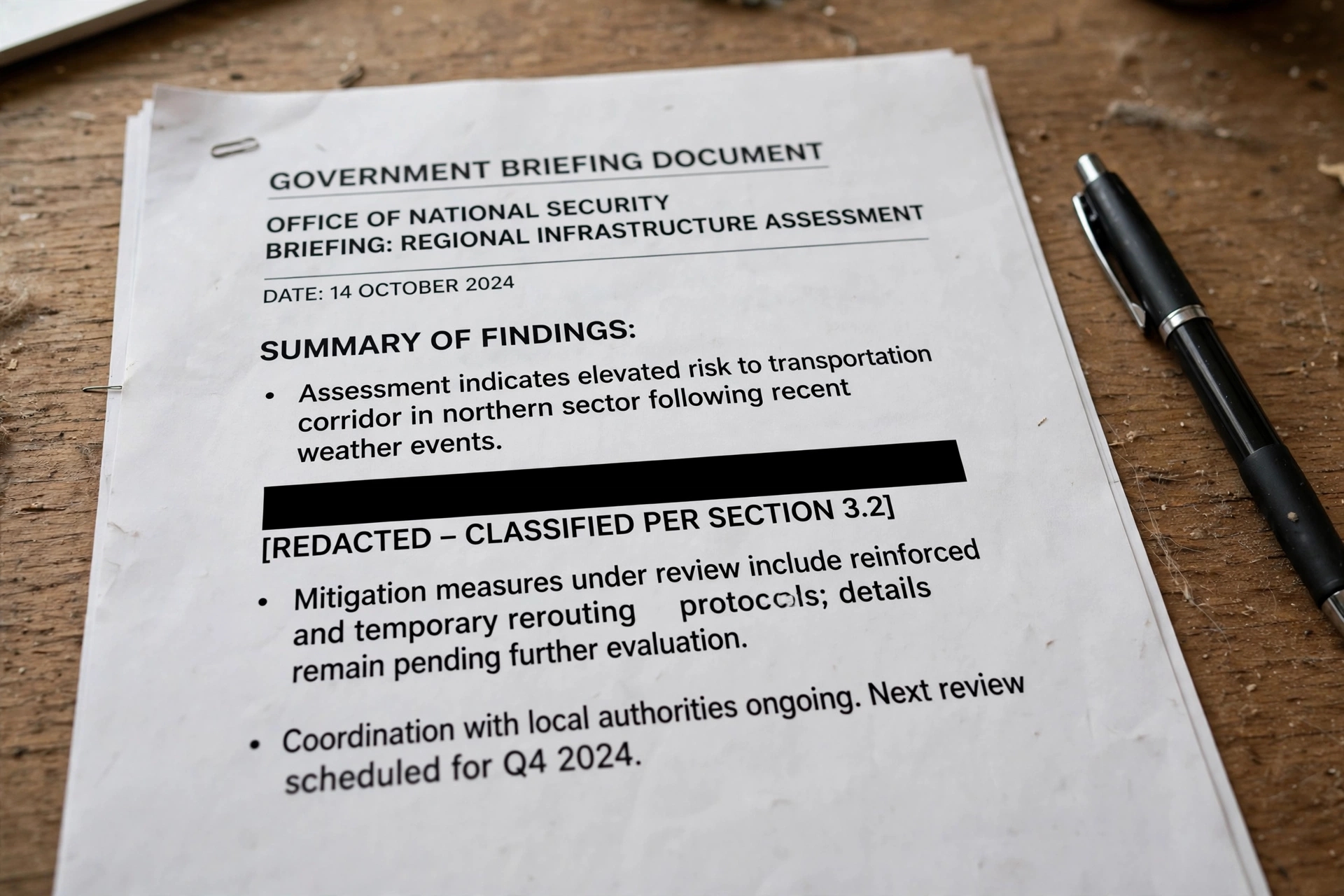
The images in this article are AI-generated and do not depict the actual seizures or investigations.
Published by Banx Network. This article is part of the Banx decentralized media programme, powered by the BXE token on the XRP Ledger.