Key Highlights
- Australia promotes inclusion in its defense workforce strategy.
- U.S. policies currently bar transgender personnel from military service.
- ADF personnel training in the U.S. must comply with American laws.
Australia's commitment to equality in its defense workforce faces a significant challenge due to the contrasting military policies of its key ally, the United States. The Australian Defence Force (ADF) has been actively working to expand its talent pool by recruiting women, First Nations Australians, and individuals from diverse backgrounds. This initiative is part of a broader strategy to ensure that the ADF reflects the society it serves. However, the recent AUKUS agreement, which involves Australian sailors training on American submarines, has brought to light a critical conflict between these inclusive policies and U.S. military regulations.
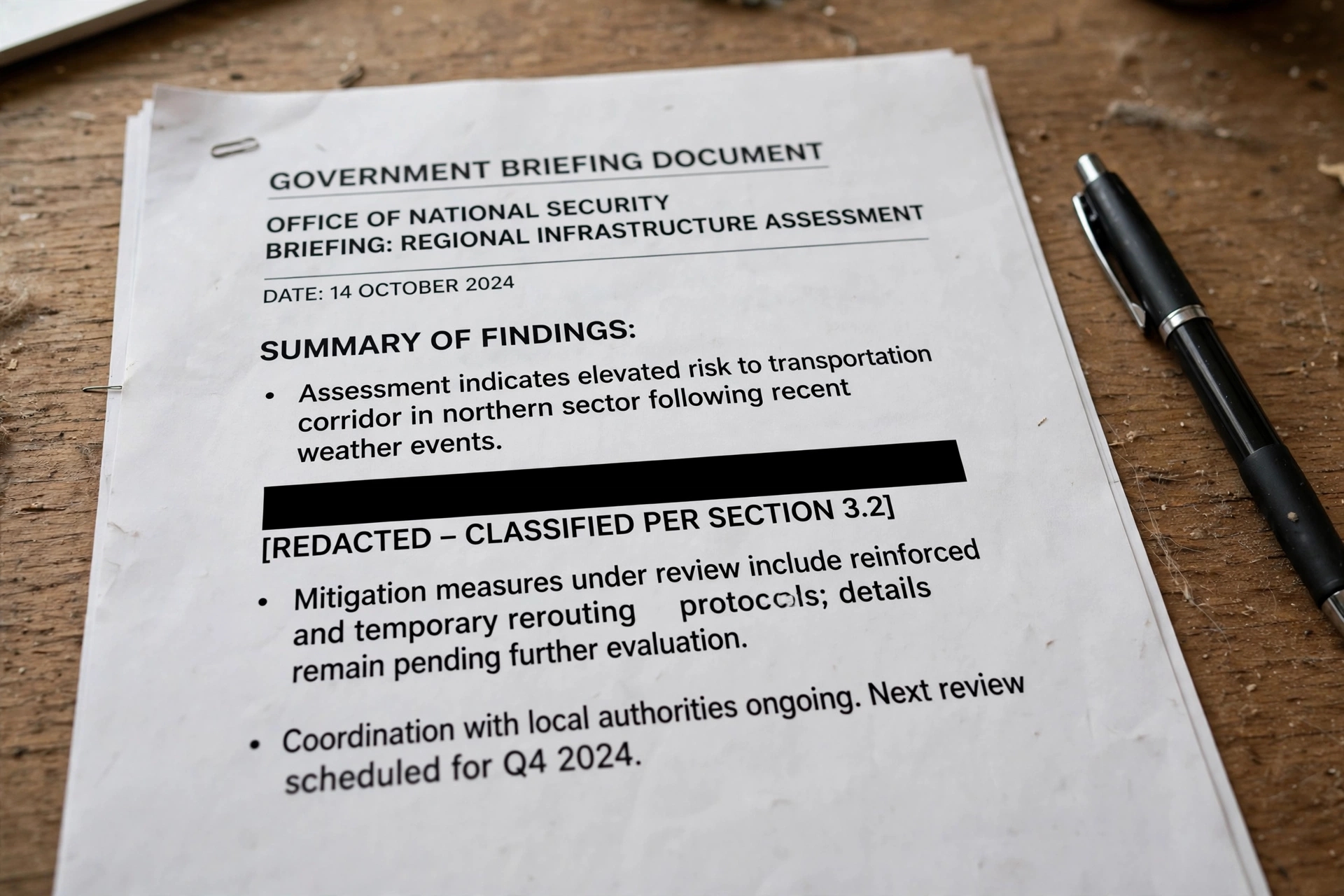
An internal briefing from the ADF, released under freedom of information laws, highlights the stark reality: while Australia maintains its policy of inclusion, U.S. government policy prohibits transgender individuals from serving in the military. As a result, Australian Defence Force personnel who identify as transgender or nonbinary are currently barred from participating in the SSN (nuclear-powered attack submarines) training pathway. This situation raises serious questions about the implications of international military partnerships and the values they uphold.
Rear Admiral Tish van Stralen, a prominent figure in the Australian navy, addressed these concerns during a recent event focused on women in defense. She emphasized that the ADF is committed to being a diverse and equal opportunity employer. However, she also acknowledged the complexities of training personnel in the U.S., stating that it would be challenging to place gender-diverse individuals in training programs under current U.S. policies. Van Stralen pointed out that the United Kingdom, another AUKUS partner, has more progressive policies, which could offer alternative training opportunities for affected personnel.
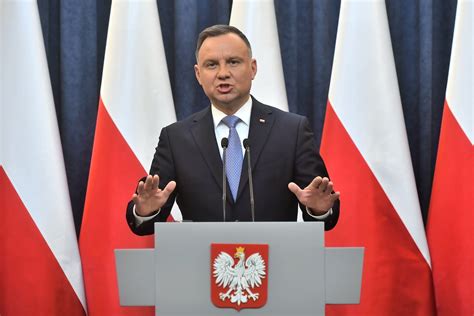
The backdrop of U.S. military policy is critical to understanding this issue. In January 2025, President Trump signed an executive order banning transgender individuals from military service, a move that has been met with significant backlash. Defense Secretary Pete Hegseth has further reinforced this stance by eliminating diversity and inclusion initiatives within the military. These policies create a rigid framework that Australian sailors must navigate if they are to participate in training for the Virginia-class submarines, which Australia plans to acquire starting in 2032.
The timing of these revelations poses a challenge for the Australian government. Defense Minister Richard Marles recently acknowledged the significant training challenges posed by the AUKUS timeline, emphasizing the need for increased recruitment efforts. However, the exclusion of transgender personnel from crucial training pathways raises concerns about the government's commitment to its own workforce strategy, which explicitly aims to recruit from underrepresented groups. The Defence Department has not provided clarity on how many individuals have been affected by this policy or how it will impact broader recruitment efforts.
For those impacted, the consequences are immediate and personal. A career path that appeared accessible is now effectively closed due to the intersection of Australian and U.S. policies. While the navy has indicated it will seek alternative career paths for gender-diverse recruits, the existence of a workaround does not equate to true equality. This situation serves as a reminder that the obligations stemming from international alliances extend beyond mere technology transfers and military purchases; they also encompass compliance with the laws of the host country, even when those laws conflict with the values that Australia espouses.
The documents released do not indicate any wrongdoing on the part of the ADF; rather, they reveal the complexities of navigating international military partnerships. The ADF is adhering to the regulations governing its operations in the United States, yet the implications of these rules highlight a significant gap between policy and practice in the pursuit of an inclusive military environment.
The images accompanying this article are AI-generated and do not depict the actual personnel or documents.
Published by Banx Network. This article is part of the Banx decentralized media programme, powered by the BXE token on the XRP Ledger.