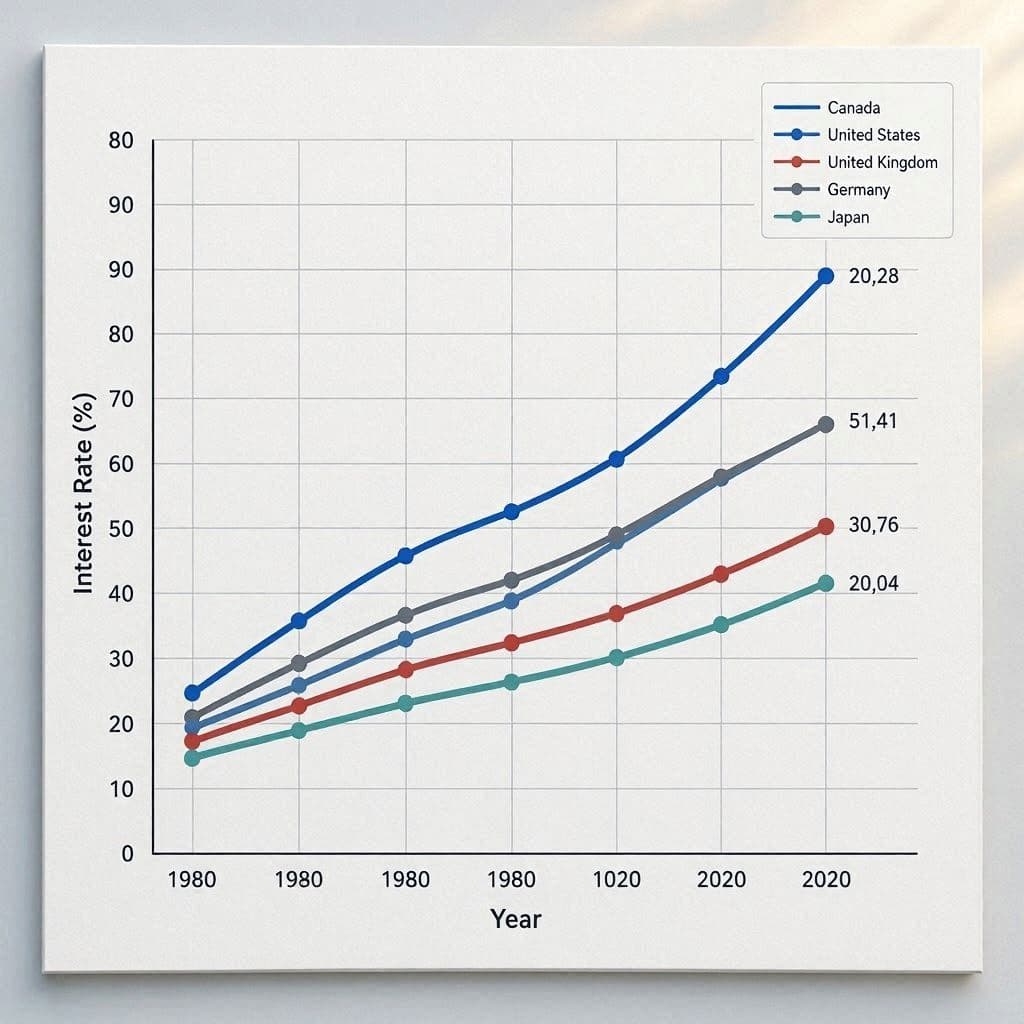
In the carefully calibrated world of central banking, where every basis point matters, a surprising forecast has emerged. Analysts suggest that the Bank of Canada may need to hike interest rates more aggressively than its global peers in the coming year. This prediction, contrary to the prevailing trend of rate cuts or holds among major economies, highlights the unique economic challenges facing Canada. From persistent inflation in specific sectors to currency pressures, the factors driving this potential divergence are complex and multifaceted. For borrowers and investors, it is a signal to prepare for a different monetary landscape.
The possibility of a divergent path invites reflection on the interconnectedness of global markets and the specific vulnerabilities of the Canadian economy. It is a moment that requires careful attention to economic indicators and policy signals.
Body: The primary driver behind this forecast is the stickiness of inflation in Canada, particularly in services and housing. While headline inflation has moderated, core measures remain elevated, prompting concerns that price pressures are not yet fully contained. The Bank of Canada, mandated to keep inflation within a 1-3% target range, may feel compelled to act decisively if data suggests a rebound.
Another factor is the value of the Canadian dollar. A weaker loonie can import inflation by making imports more expensive. If the U.S. Federal Reserve and other central banks maintain higher rates for longer, the Bank of Canada may need to hike to prevent excessive depreciation of the currency. This balancing act between domestic growth and exchange rate stability is a delicate one.
Housing market dynamics also play a crucial role. Despite higher rates, housing prices in some regions have remained resilient, fueled by supply shortages and demographic growth. This resilience can sustain consumer spending and inflationary pressures, requiring tighter monetary policy to cool demand. The Bank may view further rate hikes as necessary to ensure the housing market adjusts to a more sustainable level.
Global economic conditions add another layer of complexity. If major trading partners experience slower growth, Canada’s export-driven sectors may suffer, potentially leading to a weaker economy. However, if inflation remains the dominant concern, the Bank may prioritize price stability over short-term growth, even if it means diverging from peer institutions.
Analysts from major financial institutions, such as CIBC and National Bank, have revised their forecasts to reflect this possibility. They predict that the policy rate could rise to 2.75% or higher by 2027, contrasting with expectations of stability or cuts elsewhere. These projections are based on current data but remain subject to change as new information emerges.
For consumers, the implication is clear: borrowing costs may remain high or increase further. Mortgage holders, particularly those with variable rates, face uncertainty. Businesses planning investments must also account for the potential for higher financing costs, which could dampen expansion plans.
The Bank of Canada’s communication strategy will be key in managing expectations. Clear guidance and transparency can help mitigate market volatility and allow households and firms to adjust. Governor Tiff Macklem and his successors will need to navigate this challenging terrain with precision and clarity.
Ultimately, the decision to hike rates more than peers will depend on incoming data. Inflation reports, employment figures, and global developments will all influence the Bank’s stance. Flexibility and responsiveness are essential in an unpredictable economic environment.
Closing: The potential for the Bank of Canada to hike rates more than its peers highlights the unique economic pressures facing the country. It invites vigilance and preparedness from all stakeholders in the financial system.
AI Image Disclaimer: The visuals in this article are AI-generated illustrations designed to reflect the themes of monetary policy and economic forecasting.
Sources: Financial Post Reuters Trading Economics National Bank of Canada
Published by Banx Network. This article is part of the Banx decentralized media programme, powered by the BXE token on the XRP Ledger.