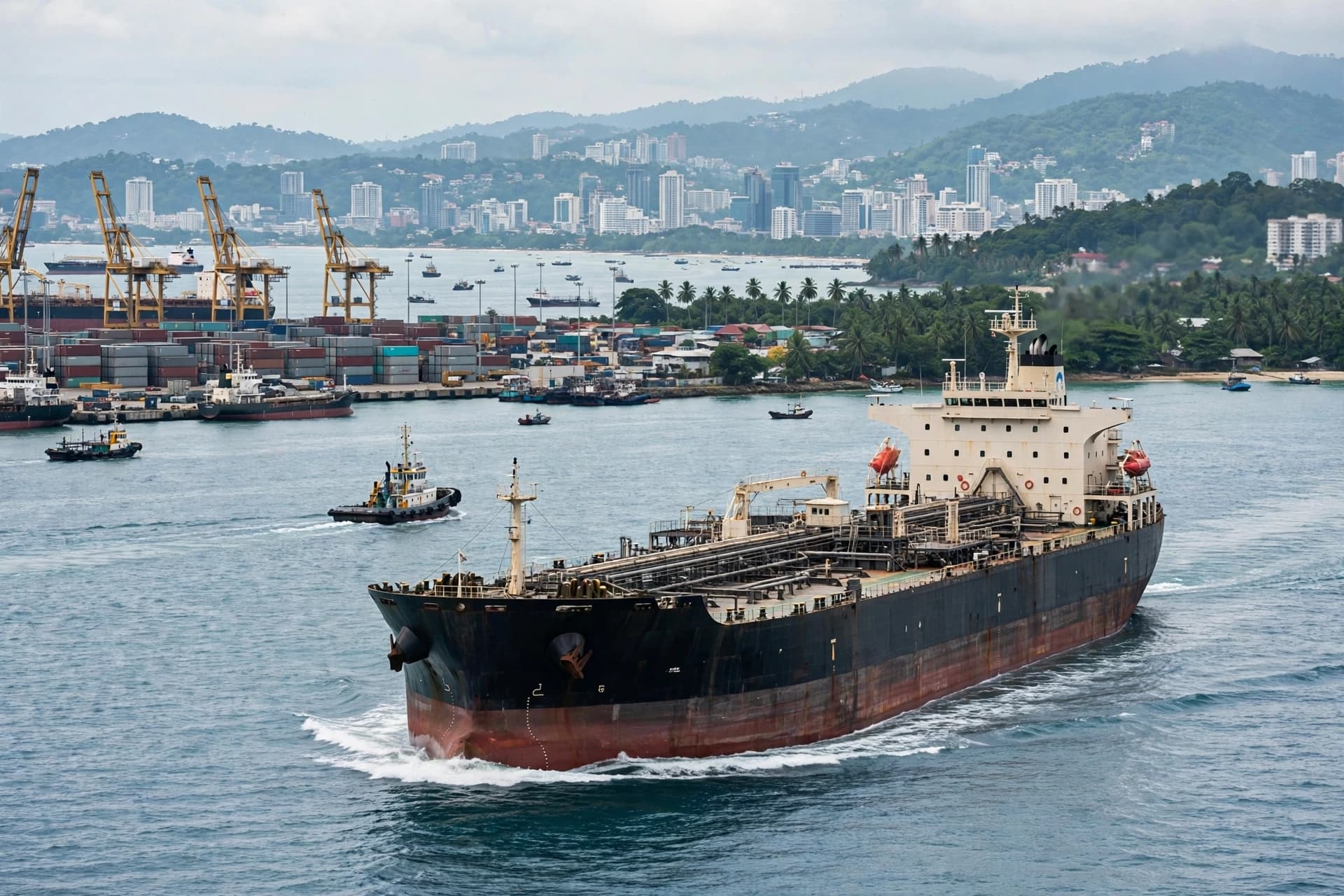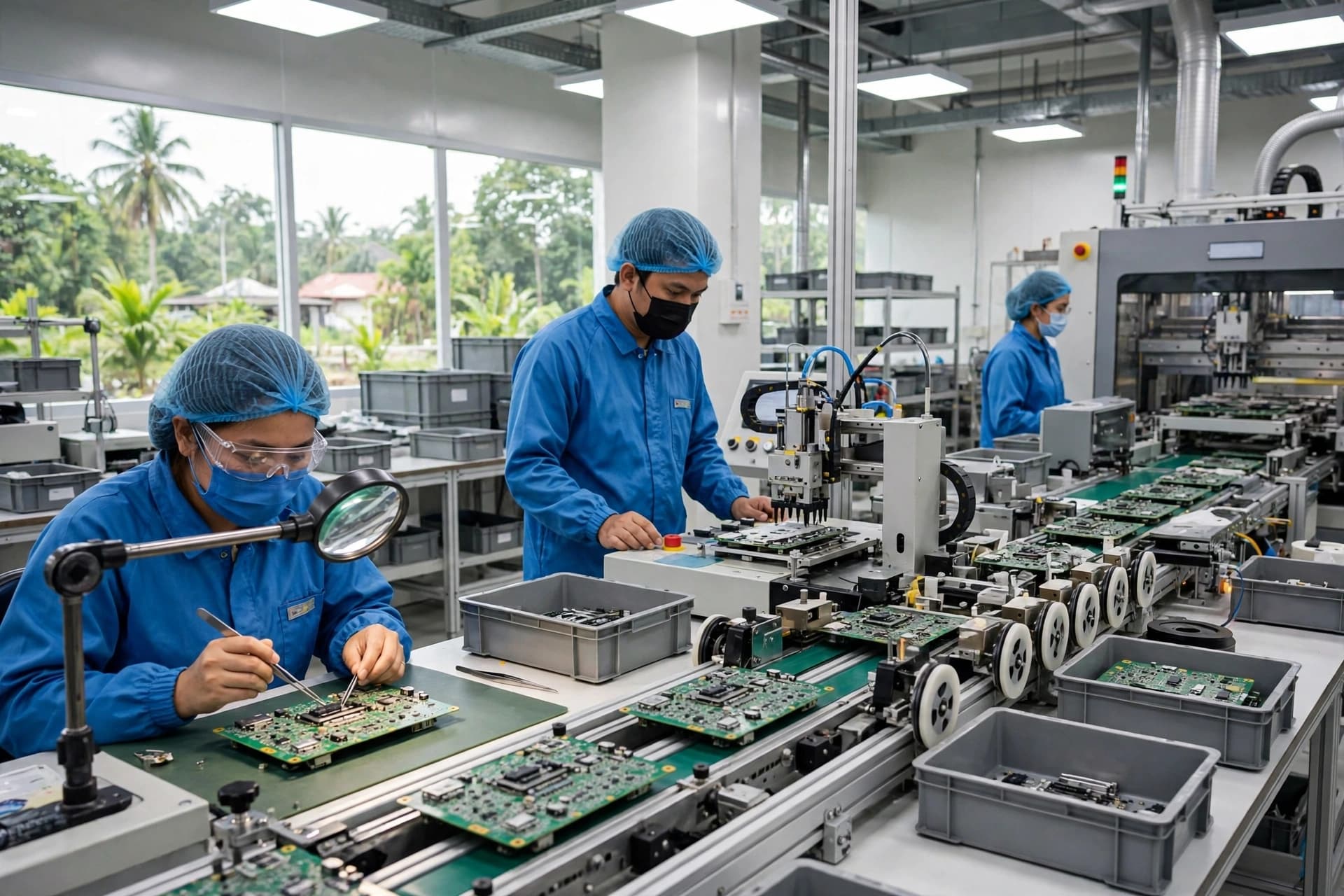
The world's financial and real assets have continued to expand, with the global balance sheet reaching almost $1,800 trillion in 2025. Yet a new analysis from the McKinsey Global Institute raises a deeper question: is the world's wealth actually becoming healthier, or is the increase being driven largely by rising asset values rather than the creation of new productive capital? According to the information presented in the McKinsey Global Institute post, only about 20% of household wealth growth came from real capital formation. The figure highlights a major distinction between an economy becoming wealthier on paper and an economy generating new productive capacity. When the value of existing property, equities and other assets rises, total wealth can increase without a corresponding expansion in factories, infrastructure, technology or other productive investments. A global balance sheet attempts to capture the financial position of households, companies and governments by examining assets and liabilities across the economy. The enormous $1,800 trillion figure demonstrates the scale of wealth accumulated globally. But the composition of that wealth matters just as much as its headline value. One way wealth can rise is through asset-price appreciation. If a property becomes more valuable, the owner's net worth increases even though no additional house has necessarily been built. Similarly, when stock markets rise, investors become wealthier because their existing shares are worth more. These increases can be economically important, but they are different from creating new productive capital. Real capital formation occurs when resources are directed toward investments that expand future productive capacity. New factories, transportation networks, power infrastructure, research facilities, machinery and certain forms of technology investment can all contribute to this process. Such investments can increase the economy's ability to produce goods and services in the future. The 20% figure highlighted by McKinsey therefore raises questions about how sustainable global wealth accumulation may be. If a large share of wealth growth continues to depend on asset-price appreciation, the system can become more sensitive to changes in interest rates, investor expectations and financial-market valuations. Interest rates are particularly important because they influence how investors value long-term assets. When borrowing costs decline, future cash flows can become more valuable, potentially supporting higher prices for equities, property and other assets. When rates rise, valuations can come under pressure. This means that changes in monetary policy can have a significant impact on measured wealth even when the underlying physical economy changes much more slowly. The distribution of wealth also matters. Rising asset prices do not benefit every household equally because ownership of financial assets and property is unevenly distributed. Households with substantial investments can experience large increases in net worth during an asset boom, while households with limited assets may see much smaller gains. This distinction is becoming increasingly relevant as governments and businesses debate how to increase productivity. Wealth generated through productive investment can potentially create jobs, raise incomes and expand the supply of goods and services. Wealth generated primarily through asset appreciation can increase paper valuations without producing the same direct expansion in economic capacity. The findings also connect with the growing discussion surrounding infrastructure, technology and artificial intelligence. Massive investment in new technologies can potentially represent genuine capital formation if it creates productive systems that raise future output. But valuations can also rise faster than underlying earnings or productivity, creating a gap between financial wealth and economic fundamentals. For policymakers, the challenge is therefore not simply to maximize the value of global assets. It is to encourage investment that increases productive capacity while maintaining financial stability. That means creating conditions in which businesses are willing to invest in research, infrastructure, technology and productive assets rather than concentrating capital primarily in existing financial and property markets. The $1,800 trillion balance sheet is consequently both impressive and revealing. It shows how enormous global wealth has become, but the 20% figure suggests that much of the increase may not represent newly created productive capital. The bigger question for the coming years is whether the world can redirect a greater proportion of its wealth toward investment that expands future economic capacity. If it can, rising wealth could increasingly reflect stronger productivity and living standards rather than simply higher valuations of assets that already exist.
Published by Banx Network. This article is part of the Banx decentralized media programme, powered by the BXE token on the XRP Ledger.