

Key Highlights
- Investment Surge:Global semiconductor investments are accelerating due to AI demand.
- Government Support:Countries are backing domestic chip production to enhance supply chains.
- Future Growth:Analysts predict AI-related demand will drive growth for the next decade.
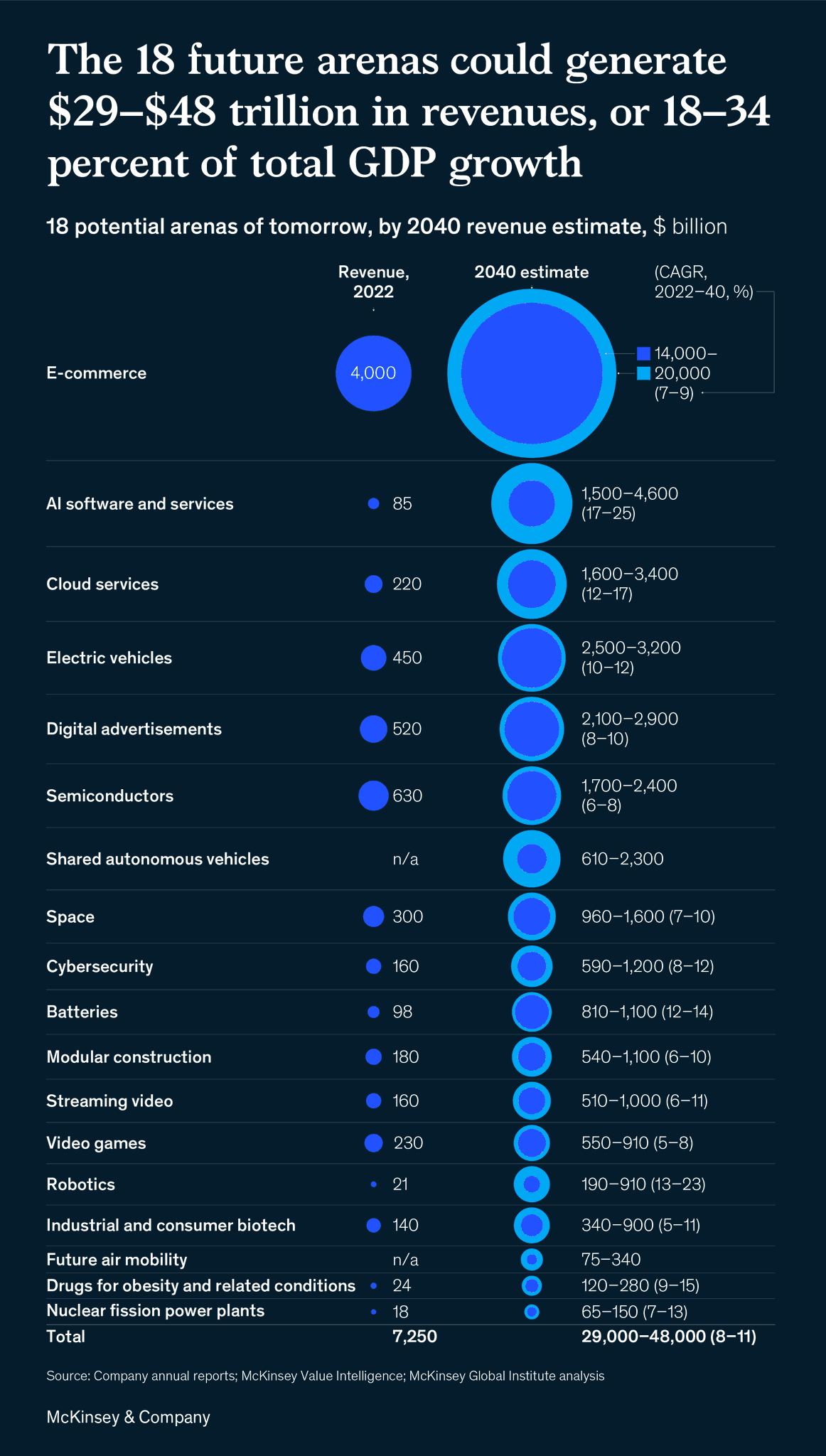
The global semiconductor industry is experiencing an unprecedented surge in investment, fueled by the rising demand for artificial intelligence (AI) infrastructure. This demand is driving one of the most significant technology expansion cycles seen in decades, with chip manufacturers, cloud computing providers, and governments collectively investing hundreds of billions of dollars to enhance production capacity and fortify supply chain resilience.
Artificial intelligence applications necessitate increasingly powerful processors that can manage complex machine learning models, conduct large-scale data analysis, and support high-performance computing workloads. As AI adoption spreads across various sectors, the demand for advanced semiconductors has significantly exceeded previous forecasts, prompting major technology companies to announce new data center construction projects and ramp up purchases of graphics processing units (GPUs), AI accelerators, and advanced memory chips.
In response to this burgeoning demand, semiconductor manufacturers are expanding their fabrication facilities, investing in next-generation manufacturing technologies, and increasing their research and development spending. This proactive approach is essential as the industry seeks to keep pace with the rapid advancements in AI technology and the corresponding need for more sophisticated chips.
Governments worldwide are also stepping in to support domestic chip production through various industrial policies. National security concerns, coupled with lessons learned from recent global supply chain disruptions, have prompted countries to reduce their reliance on overseas manufacturing. This shift aims to strengthen local semiconductor ecosystems and ensure a more resilient supply chain for critical technologies.
Industry analysts predict that AI-related demand will continue to be a major growth driver throughout the remainder of the decade. Beyond consumer technology, advanced chips are becoming increasingly vital for applications in autonomous vehicles, robotics, healthcare diagnostics, defense systems, telecommunications, and scientific research. The versatility of these chips underscores their importance in a rapidly evolving technological landscape.
Despite the strong demand for semiconductors, production remains a highly complex and capital-intensive endeavor. Establishing a modern fabrication plant can cost tens of billions of dollars and requires advanced engineering expertise, specialized equipment, and stable supply chains for essential materials. This complexity poses challenges for companies looking to scale up production in response to the growing market needs.
In addition to expanding production capabilities, companies are heavily investing in energy-efficient chip designs that can reduce electricity consumption within large AI data centers. As AI workloads continue to expand globally, power efficiency has become a critical consideration for manufacturers and operators alike.
Financial markets have responded positively to the semiconductor industry's growth, rewarding leading companies as investors anticipate sustained earnings growth linked to AI adoption. However, analysts caution that maintaining a balance between supply and demand will be crucial to avoiding future market volatility. The current investment cycle in the semiconductor industry highlights the strategic importance of advanced computing technologies, positioning semiconductor manufacturing as one of the fastest-growing industrial sectors worldwide as AI becomes increasingly integrated into everyday business operations.
Published by Banx Network. This article is part of the Banx decentralized media programme, powered by the BXE token on the XRP Ledger.




