Global Economic Challenges in the Current Landscape
The global economy is navigating one of its most complex phases in recent years, shaped by a combination of geopolitical tensions, rapid technological change, and persistent financial instability. As markets continue to adjust, policymakers and businesses face increasing pressure to adapt to shifting economic conditions.
1. Inflationary Pressures Remain Persistent
Despite efforts by central banks to stabilize prices, inflation continues to challenge both advanced and emerging markets. Rising energy costs, supply chain disruptions, and increased consumer spending have kept inflation rates above historical averages. This has forced central banks to maintain high interest rates, slowing economic growth and raising borrowing costs for businesses and consumers.
2. Geopolitical Conflicts and Supply Chain Disruptions
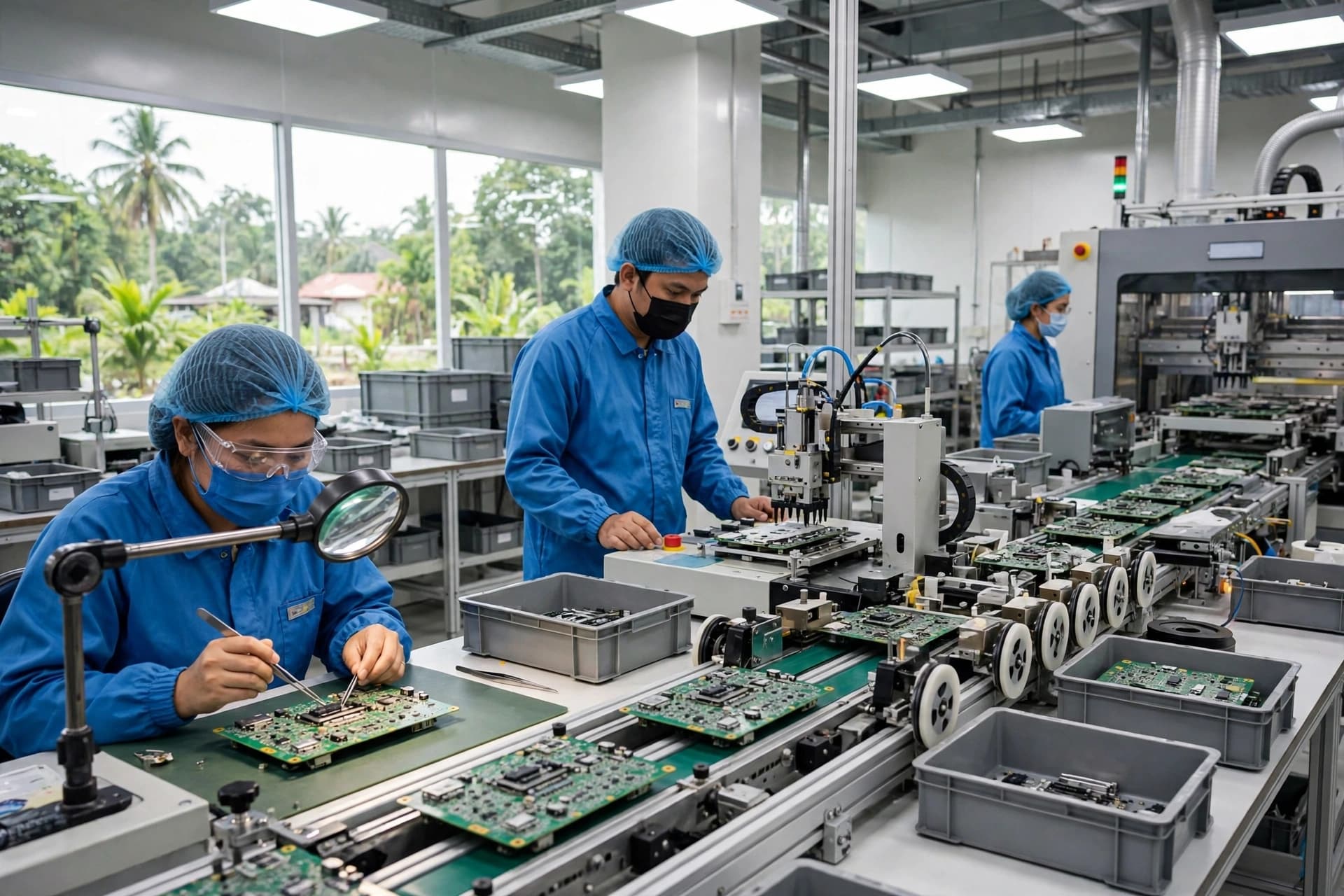
Ongoing geopolitical conflicts—particularly those involving global trade routes—have intensified supply chain vulnerabilities. Key industries such as semiconductors, energy, and food production continue to face shortages and delays. These disruptions are not only increasing production costs but also reshaping global trade patterns as countries seek safer and more localized supply networks.
3. Slowdown in Global Trade and Investment
Global trade growth has weakened due to declining consumer demand, tighter financial conditions, and uncertainty surrounding international policies. Foreign direct investment (FDI) flows have decreased as companies postpone expansion plans. This slowdown is especially impactful for developing countries that rely heavily on international capital and exports.
4. Technological Transformation and Labor Market Shifts
AI, automation, and digital transformation are reshaping the labor market faster than many economies can adapt. While technology creates new opportunities, it simultaneously threatens traditional jobs, leading to widening skill gaps. Countries that fail to invest in digital infrastructure and education may face long-term competitive disadvantages.
5. Rising Debt Levels Across Economies
Government and corporate debt have reached record highs, driven by heavy post-pandemic spending and rising interest rates. High debt burdens limit governments’ ability to invest in growth programs and increase the risk of financial instability, particularly in low-income nations that struggle with repayment.
6. Climate Change and Economic Vulnerability
Climate-related disasters are creating significant economic costs, from damaged infrastructure to reduced agricultural output. As extreme weather events become more frequent, countries are forced to allocate larger portions of their budgets to adaptation and recovery efforts, straining public finances.
Conclusion
The current economic landscape is defined by volatility and structural change. To remain resilient, economies must strengthen their supply chains, invest in technological adaptation, and implement sound fiscal policies. While the challenges are significant, proactive strategies and global cooperation can help mitigate risks and pave the way for sustainable growth.
Published by Banx Network. This article is part of the Banx decentralized media programme, powered by the BXE token on the XRP Ledger.